
Why a Smooth Aligner Delivery Matters
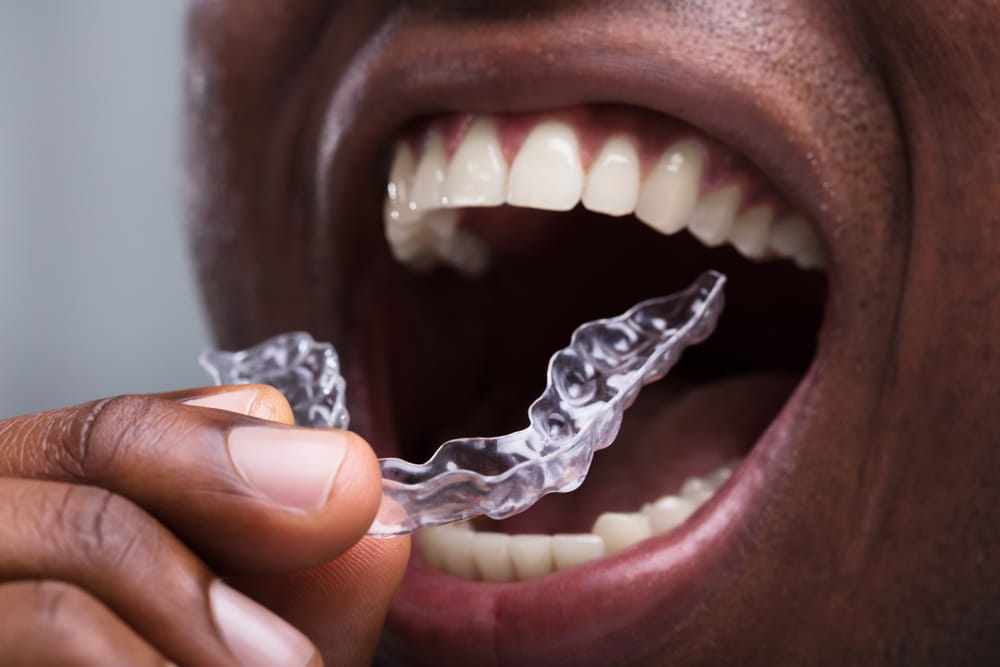
Clear aligner therapy has become an increasingly popular orthodontic solution because it offers patients a discreet and convenient alternative to traditional braces. However, even the most carefully designed treatment plan can encounter challenges if aligners do not fit as expected at delivery. Picture an aligner delivery where everything fits right out of the package. No pressure points, no unexpected spaces, no delay while a refinement gets printed, just a tray that seats smoothly and a patient who leaves confident. It is an appointment that happens every day in practices that prepare for it far in advance.
Clear aligner treatment succeeds in the margins of two things: how well the digital plan matches the eventual teeth, and how well the physical trays match the plan. Refining those connections is a process Panam Dental Lab has built its aligner workflow around for clients in Savannah, GA, Houston, TX, and Sandy, UT. Reliable deliveries depend on communication long before any plastic is formed, with intraoral scans, treatment simulations, and case selection decisions that give the plan its best chance of reaching real-world results.
Understanding Why Aligner Fit Problems Occur
When an aligner does not fully seat, the cause is rarely the aligner alone. Most fit issues originate earlier in the treatment process, often during record collection, treatment planning, or case design.
Incomplete intraoral scans, distorted impressions, inaccurate bite records, or unrecognized occlusal interferences can all affect how aligners fit once they are fabricated. Even small discrepancies may become magnified as treatment progresses through multiple aligner stages.
By identifying these potential sources of error early, clinicians can reduce unnecessary refinements and improve overall treatment efficiency.
The Importance of Accurate Digital Records
High-quality digital records are the foundation of successful aligner therapy. Modern intraoral scanners capture highly detailed representations of the dentition, allowing laboratories to design aligners with exceptional precision.
Clinicians should carefully review scans before submission to ensure all tooth surfaces, gingival margins, and interproximal areas have been captured completely. Missing or distorted scan data can compromise treatment planning and affect aligner adaptation.
Digital workflows also allow records to be transferred directly to the laboratory, reducing the variability associated with traditional impression materials while improving communication throughout the fabrication process.
Careful Case Selection Improves Predictability
Not every orthodontic case is ideally suited for clear aligner therapy. Successful treatment depends on selecting cases that align with the capabilities of the aligner system and the patient’s clinical needs.
Patients with severe skeletal discrepancies, significant rotations, or complex occlusal concerns may require alternative or supplemental treatment approaches. Evaluating these factors during diagnosis helps establish realistic expectations while improving overall treatment success.
Comprehensive planning also allows clinicians to determine whether restorative procedures or other interdisciplinary treatments should be completed before aligner therapy begins.
The Role of Treatment Planning
Thorough treatment planning is one of the most effective ways to reduce adjustments during aligner delivery. Digital software allows clinicians to evaluate anticipated tooth movement, attachment placement, staging, and occlusal relationships before fabrication begins.
Reviewing treatment simulations carefully helps identify areas where tooth movement may be difficult or where refinements may eventually become necessary. Addressing these concerns proactively supports smoother treatment progression.
Cases involving restorative procedures in addition to orthodontic treatment may benefit from coordination with fixed restorations to ensure that tooth movement aligns with long-term restorative objectives.
Ensuring Proper Attachment Placement
Attachments play an essential role in many clear aligner treatments by providing additional retention and helping guide complex tooth movements. Improper attachment placement can significantly affect aligner seating and treatment efficiency.
Using accurate templates and following placement protocols carefully helps ensure that attachments match the digital treatment plan. Verifying attachment integrity during delivery appointments also reduces the likelihood of unexpected fit problems.
If an attachment becomes damaged or detached during treatment, prompt replacement helps maintain the planned tooth movement and minimizes treatment delays.
Verifying Aligner Fit During Delivery
The delivery appointment provides an opportunity to evaluate aligner adaptation before treatment begins. Clinicians should inspect the aligner carefully to confirm complete seating across all teeth and identify any visible gaps or pressure points.
Patient feedback is also valuable. Areas of discomfort or incomplete seating should be evaluated to determine whether they result from normal adaptation or indicate an underlying issue with the treatment plan or records.
Providing patients with instructions regarding chewies, insertion techniques, and expected adaptation helps improve initial fit and encourages successful wear at home.
Improving Communication With the Dental Laboratory
Open communication between the practice and laboratory contributes significantly to successful aligner treatment. Complete prescriptions, detailed clinical notes, photographs, and digital scans provide technicians with the information necessary to design predictable aligners.
Laboratory consultation can also be valuable when evaluating challenging cases or discussing treatment objectives before fabrication begins. Early collaboration often prevents complications that would otherwise require refinements later in treatment.
In multidisciplinary cases that incorporate clear aligners alongside restorative procedures, coordinated planning ensures that orthodontic movement supports the final restorative outcome.
Educating Patients for Better Results
Even perfectly fabricated aligners require patient cooperation to achieve successful outcomes. Patients should understand the importance of wearing aligners as instructed, changing trays according to schedule, and attending regular follow-up appointments.
Education regarding insertion, removal, cleaning, and storage also contributes to better treatment experiences. Patients who understand what to expect during the first few days of each aligner stage are often more comfortable and confident throughout treatment.
When patients recognize that minor pressure is normal while persistent fit problems should be reported promptly, clinicians can address concerns before they interfere with treatment progression.
Digital Dentistry Continues to Improve Aligner Therapy
Advancements in digital dentistry continue to make aligner treatment more predictable. Improvements in intraoral scanning, treatment planning software, and digital manufacturing have significantly enhanced the accuracy of aligner fabrication.
These same technologies also integrate well with broader restorative treatment planning. Cases involving implant restorations or other comprehensive rehabilitation can often be coordinated digitally to improve sequencing and long-term outcomes.
As digital workflows continue to evolve, clinicians and laboratories are better equipped to deliver aligner therapy that is efficient, precise, and highly individualized.
Building More Predictable Aligner Deliveries
Reducing adjustments during aligner delivery begins with careful planning, accurate records, and close collaboration between the dental practice and laboratory. Delivery frustrations tend to trace back to a short list of earlier decisions. Incomplete scans, damaged attachments, and cases that quietly exceeded the aligner system’s capabilities all show up at the chair as trays that will not fully seat, and by then the only remedy is another round of records, planning, and production.
What practices with the fewest such appointments share is a determination to control variables early, with water-tight scan protocols, realistic case screening, meticulous attachment care, and a direct line to the lab for treatment discussions before plans are finalized. The goal is not to avoid refinements entirely; even the smoothest case will need a tweak now and then. It is to build a process that sees refinements as the exception, not the routine. Panam Dental Lab brings that process-first mindset to its partnerships with clinicians throughout Savannah, GA, Houston, TX, and Sandy, UT, where preventing rework often means a few extra minutes on the front end.
Sources
Boyd RL. Complex orthodontic treatment using clear aligners. Seminars in Orthodontics.
Grünheid T, Loh C, Larson BE. How accurate is Invisalign in nonextraction cases? Angle Orthodontist.
American Association of Orthodontists. Clear Aligner Therapy Clinical Resources.

