Understanding the Role of Sleep Appliances in Airway Care
Sleep appliances play an important role in supporting airway-focused dental care by helping maintain an open airway during sleep. These devices are commonly used as part of a broader approach to managing sleep-related breathing concerns, particularly in cases where oral structures contribute to airway restriction. Selecting the right sleep appliance for each case requires careful evaluation of patient anatomy, comfort, and treatment goals.
Not all sleep appliances function in the same way. Different designs are intended to address specific clinical needs, such as mandibular repositioning, tongue stabilization, or vertical support. Choosing the appropriate appliance involves understanding how each design interacts with the patient’s oral structures and airway dynamics. Panam Dental Lab can offer guidance and education for dental teams based in Savannah, Houston, and Sandy.
Key Factors That Influence Appliance Selection
Selecting the right sleep appliance begins with a comprehensive assessment of the patient. Factors such as jaw position, dental condition, airway anatomy, and patient tolerance all play a role in determining which appliance design is most appropriate.
One of the primary considerations is mandibular position. Many sleep appliances work by advancing the lower jaw forward, which helps reduce airway collapse during sleep. The degree of advancement required varies between patients, making adjustability an important feature in appliance design.
Dental health is another important factor. The number and condition of teeth, periodontal stability, and existing restorations influence how well an appliance can be supported. Patients with limited dentition or compromised support may require alternative designs that distribute forces more evenly.
Lifestyle and comfort preferences should also be considered. Patients who are sensitive to bulkier appliances or who have difficulty adapting to intraoral devices may benefit from designs that prioritize comfort and ease of use.
Types of Sleep Appliances and Their Applications
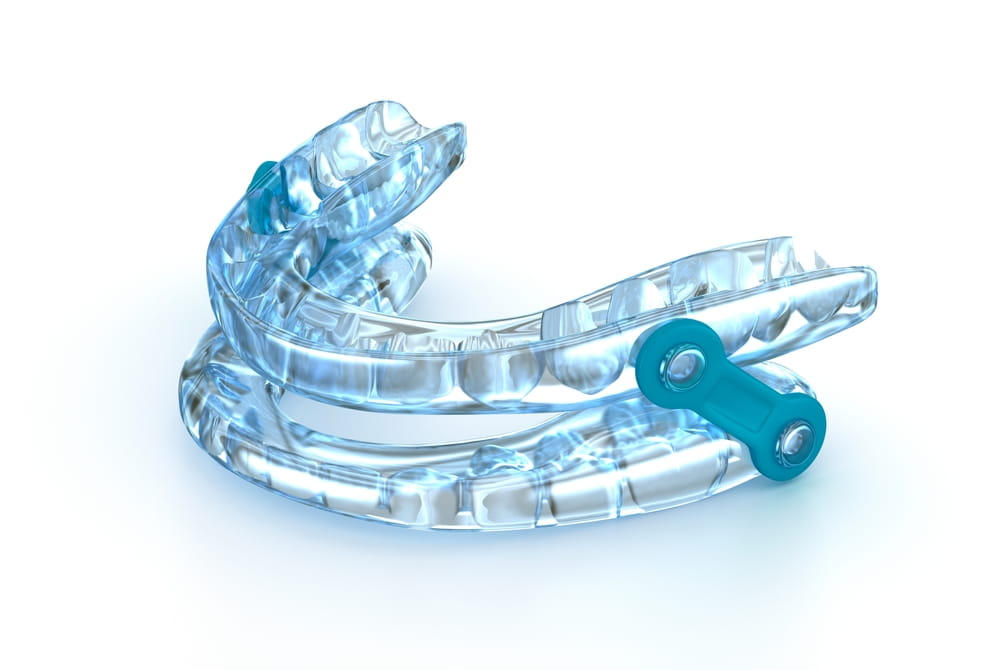
Sleep appliances generally fall into a few main categories based on how they function. Mandibular advancement devices (MADs) are among the most commonly used. These appliances reposition the lower jaw forward to increase airway space and reduce obstruction.
Tongue-retaining devices are another option, particularly for patients who cannot tolerate mandibular advancement. These appliances hold the tongue in a forward position, preventing it from collapsing into the airway during sleep.
Some appliances incorporate features that allow for vertical adjustment or controlled jaw movement. These designs provide flexibility in treatment and can be adjusted over time to optimize comfort and effectiveness.
Solutions such as sleep and orthodontic appliances are designed with these variations in mind, offering options that can be tailored to different anatomical and functional requirements.
The Importance of Customization and Fit
Custom fabrication is essential for ensuring that sleep appliances function effectively and comfortably. Ill-fitting appliances can lead to poor compliance, discomfort, or unintended side effects such as occlusal changes.
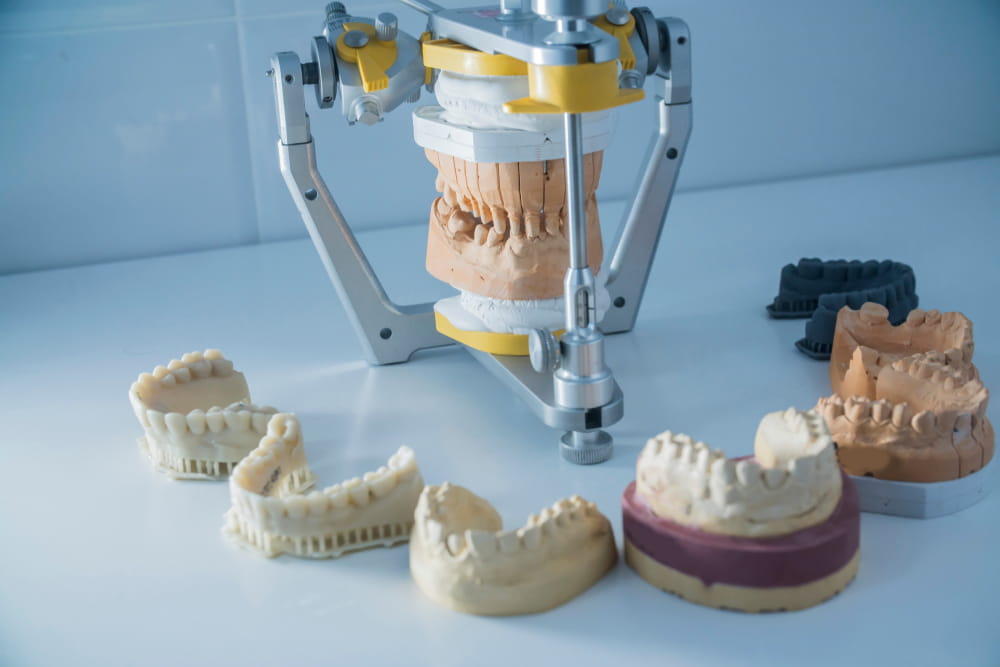
Custom appliances are designed using precise records of the patient’s dentition and jaw relationship. This allows the appliance to fit securely while maintaining proper alignment with the teeth and supporting structures. An accurate fit also ensures that the intended therapeutic forces are applied consistently.
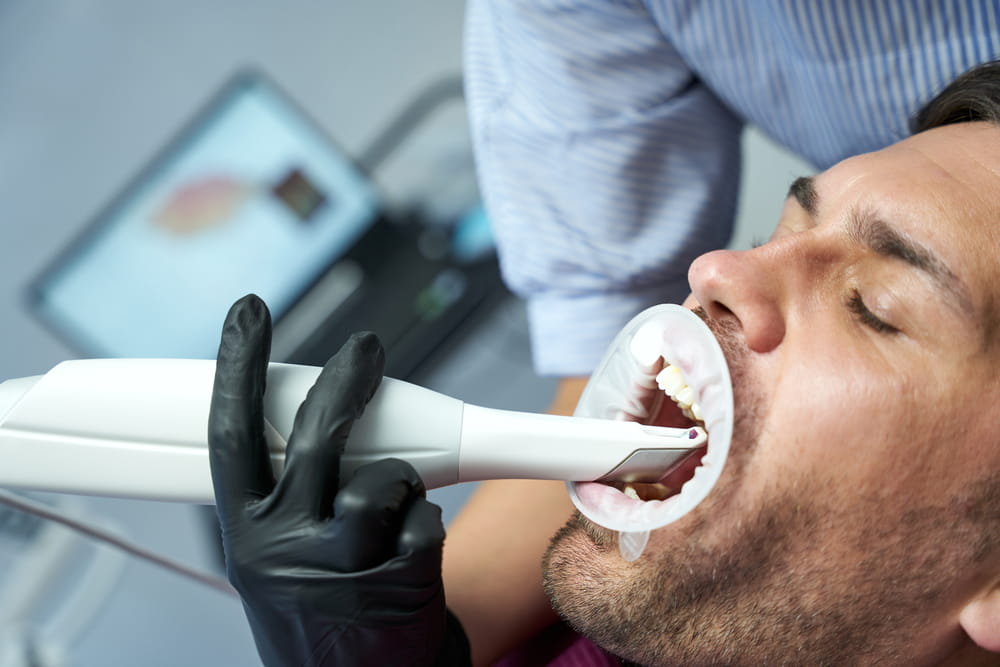
Digital workflows have improved the precision of appliance fabrication. Intraoral scans and digital design tools allow for detailed customization, supporting appliances that align closely with the patient’s anatomy and treatment plan.
Balancing Function and Patient Comfort
Patient comfort is a critical factor in the success of sleep appliance therapy. Even the most effective appliance will not produce desired outcomes if it is not worn consistently. Designs that minimize bulk, reduce pressure points, and allow for natural jaw movement tend to be better tolerated.
Material selection also influences comfort. Smooth, durable materials that resist wear and irritation help improve the patient experience. Flexibility in certain areas of the appliance can reduce strain while maintaining stability where needed.
Adjustability plays a role in balancing function and comfort. Appliances that allow gradual changes in mandibular position enable clinicians to find the optimal balance between airway support and patient tolerance.
Occlusal Considerations and Long-Term Use
Sleep appliances can influence occlusion over time, making it important to consider how the device interacts with the patient’s bite. Continuous use of mandibular advancement devices may lead to minor changes in tooth position or occlusal relationships if not monitored properly.
Regular follow-up appointments allow clinicians to evaluate occlusion and make adjustments as needed. Monitoring ensures that the appliance continues to function as intended without compromising overall dental health.
Integration with other restorative treatments is also important. For patients with crowns, bridges, or prosthetics, appliance design should accommodate existing restorations. Coordination with workflows such as fixed restorations helps ensure compatibility and long-term stability.
Collaboration Between Clinic and Laboratory
Selecting and fabricating the right sleep appliance requires close collaboration between the dental practice and the laboratory. Clear communication of clinical findings, patient preferences, and treatment goals allows technicians to design appliances that meet specific needs.
Providing detailed records, including scans, bite registrations, and notes on jaw position, supports accurate fabrication. Laboratories can also provide insights into appliance design options based on their experience with different cases.
This collaborative approach helps ensure that the final appliance aligns with both clinical intent and patient comfort requirements, reducing the need for adjustments and improving overall efficiency.
Matching Appliance Design to Individual Cases
No single sleep appliance is ideal for every patient. Matching the design to the individual case requires a thorough understanding of how different appliances function and how they interact with specific anatomical conditions.
Patients with mild airway concerns may respond well to standard mandibular advancement devices, while more complex cases may require adjustable or alternative designs. Consideration of dental health, jaw mobility, and patient preferences helps guide these decisions.
Customization and flexibility are key to achieving successful outcomes. By tailoring appliance selection to each patient, clinicians can support more predictable results and improve overall treatment experience. In cases where broader treatment planning is involved, coordination with clear aligner systems or other orthodontic approaches may also influence appliance selection and sequencing.
Supporting Effective Airway Care Through Thoughtful Appliance Selection
Choosing the right sleep appliance involves balancing clinical effectiveness, patient comfort, and long-term oral health considerations. By evaluating key factors such as anatomy, occlusion, and adaptability, dental teams can select appliances that support airway function while remaining comfortable for daily use.
Understanding how different appliance designs impact performance allows clinicians to make informed decisions that align with patient needs. Panam Dental Lab, serving Savannah, Houston, and Sandy, recognizes the importance of precise design and collaboration in fabricating sleep appliances that support consistent, comfortable, and effective airway-focused care.
Sources
Sutherland K, Vanderveken OM (2018). Oral appliance therapy for obstructive sleep apnea. Journal of Dental Sleep Medicine.
Cistulli PA, Gotsopoulos H (2004). Treatment of snoring and obstructive sleep apnea with mandibular advancement splints. Sleep.
Schwab RJ (2015). Upper airway imaging in obstructive sleep apnea. Proceedings of the American Thoracic Society.