Understanding the Importance of Bite Registration
A restoration can have flawless margins, ideal contours, and a perfect shade match, yet still fail at delivery for one simple reason: the bite record was wrong. Bite registration tends to receive far less attention than impressions or material selection, but it carries equal weight in determining clinical success. These records tell the laboratory exactly how the maxillary and mandibular arches relate to each other, and even small inaccuracies can surface later as premature contacts, lengthy chairside adjustments, or outright remakes.
The technicians at Panam Dental Lab, who fabricate restorations for practices in Savannah, Houston, and Sandy, see the downstream effects of occlusal records every day, both good and bad. Examining what bite registration actually captures, why errors occur, and which techniques improve reliability can meaningfully sharpen restorative predictability.
What Bite Registration Actually Records
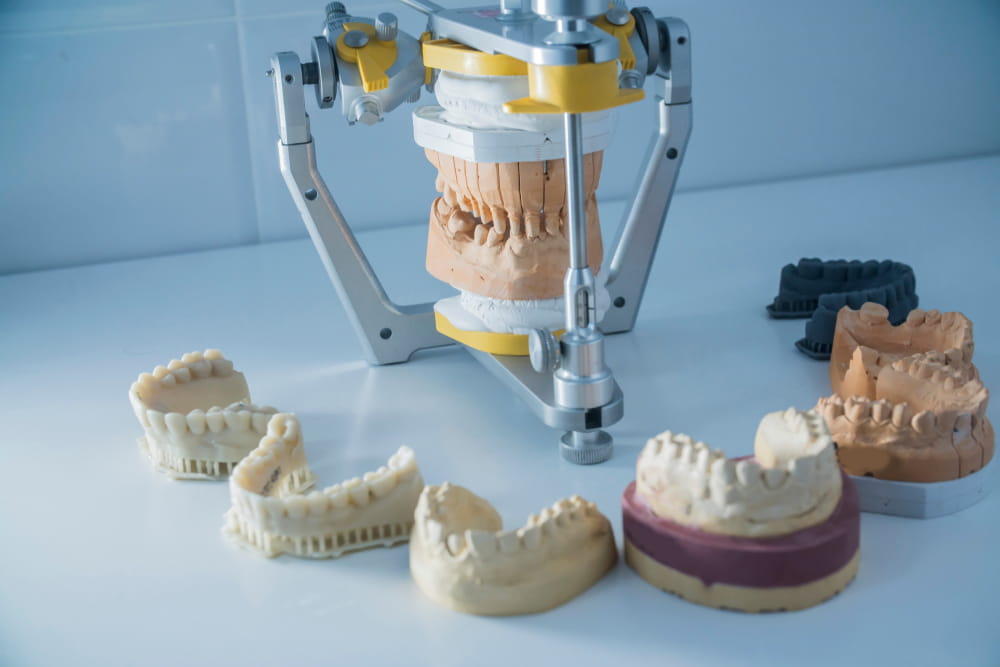
Bite registration captures the relationship between the maxillary and mandibular arches at a specific position. This record allows the laboratory to articulate models or digital scans accurately and reproduce the patient’s occlusal relationships during fabrication.
Depending on the restorative case, bite records may capture maximum intercuspation, centric relation, or another clinically determined jaw position. The selected position must be repeatable and stable so that restorations can be fabricated with confidence.
Accurate records help technicians understand how teeth contact during function and allow restorations to be designed in harmony with the patient’s existing bite. This information is particularly important in restorative cases where occlusal precision directly influences long-term success.
Why Bite Registration Errors Occur
Many factors can contribute to inaccurate bite registrations. Distortion of registration material is one common issue. Materials that compress excessively or deform during handling may not accurately represent the patient’s true occlusal relationship.
Patient movement during record taking can also introduce errors. If the patient does not close consistently into the intended position, the resulting record may not be reliable. Muscle tension, discomfort, or incomplete closure can all affect accuracy.
Operator technique plays a significant role as well. Excess material, improper placement, or failure to verify the record before submission can lead to discrepancies. Understanding these potential sources of error helps clinicians implement protocols that improve consistency.
The Relationship Between Bite Registration and Occlusion
Occlusion is one of the most important factors influencing restorative success, and bite registration serves as the foundation for reproducing occlusal relationships accurately. An inaccurate record can create premature contacts, occlusal interferences, or uneven force distribution once the restoration is seated.
These issues often result in extended chairside adjustments, patient discomfort, and, in some cases, restoration remakes. Accurate bite registration helps ensure that restorations integrate smoothly into the patient’s occlusal scheme and require minimal modification at delivery.
For cases involving fixed restorations, precise bite records are especially important because crowns and bridges must function harmoniously within existing occlusal relationships while maintaining proper contacts and stability.
Choosing the Right Bite Registration Material
The choice of bite registration material can influence both accuracy and workflow efficiency. Modern materials are designed to resist distortion while providing sufficient rigidity for articulation.
Vinyl polysiloxane (VPS) bite registration materials are among the most commonly used because they offer dimensional stability and accurate detail reproduction. Their resistance to compression helps maintain the integrity of the record during transportation and handling.
Material selection should also consider ease of use and working time. Clinicians need enough time to position the material properly while ensuring that it sets quickly enough to minimize movement-related errors.
Regardless of material choice, following manufacturer recommendations and proper handling protocols is essential for achieving reliable results.
Digital Bite Registration and Modern Workflows
Digital dentistry has transformed how bite records are captured and utilized. Intraoral scanners now allow clinicians to record occlusal relationships digitally, eliminating some of the variables associated with traditional materials.
Digital bite registration uses scan data to align maxillary and mandibular digital models accurately. Because the process is integrated directly into the digital workflow, there is less risk of distortion or physical damage compared to traditional records.
These digital workflows support faster communication with the laboratory and improve overall efficiency. Cases involving implant restorations often benefit from digital bite records because they allow clinicians and technicians to evaluate implant positioning and occlusal relationships within the same digital environment.
Common Techniques That Improve Accuracy
Several techniques can help improve the accuracy of bite registration. One of the most important is ensuring that the patient closes into a stable and repeatable position. Verifying closure before the material sets helps reduce inconsistencies.
Using only the necessary amount of registration material can also improve accuracy. Excess material may create instability or prevent complete closure. Proper material placement allows the patient to close naturally while capturing essential occlusal information.
Verification is another critical step. Reviewing the completed bite record before submission helps identify voids, distortions, or incomplete registrations that could compromise the case.
When digital workflows are used, clinicians should verify that scan alignment accurately reflects the patient’s occlusion before transmitting records to the laboratory.
Reducing Chairside Adjustments Through Better Records
One of the most practical benefits of accurate bite registration is the reduction of chairside adjustments. When restorations are fabricated using reliable occlusal records, they are more likely to seat properly and require minimal modification.
This efficiency benefits both the practice and the patient. Reduced adjustment time allows appointments to proceed more smoothly while minimizing stress on restorative materials caused by excessive grinding or reshaping.
Accurate records also improve laboratory efficiency. Technicians can design restorations with greater confidence when they know the occlusal information provided reflects the patient’s true bite relationship.
The Role of Laboratory Communication
Clear communication between the dental practice and laboratory is essential for maximizing the value of accurate bite records. Technicians should receive complete information regarding the intended jaw position, occlusal goals, and any special considerations that may influence fabrication.
Photographs, digital scans, and detailed prescriptions complement bite records by providing additional context. Together, these records help technicians understand the clinical objectives and create restorations that align with treatment goals.
Cases involving multiple restorative components, including removable restorations, often require especially detailed communication to ensure that all prosthetic elements function harmoniously within the patient’s occlusion.
Improving Restorative Predictability Through Accurate Bite Records
Accurate occlusal records are less about any single technique and more about disciplined fundamentals: a stable, repeatable jaw position, the right amount of properly handled material, verification before submission, and clear communication about the intended occlusal scheme. Digital workflows have reduced some traditional sources of distortion, but they reward the same care and attention that conventional methods demand. The payoff for that discipline is substantial. Restorations fit with minimal adjustment, delivery appointments run on schedule, materials avoid unnecessary grinding, and patients leave comfortable on the first visit. Few variables in restorative dentistry offer that kind of return. It is a principle reflected in the daily work at Panam Dental Lab, where teams supporting Savannah, GA, Houston, TX, and Sandy, UT, treat the bite record as the foundation of every successful case.
Sources
Dawson PE (2007). Functional Occlusion: From TMJ to Smile Design. Mosby.
Okeson JP (2019). Management of Temporomandibular Disorders and Occlusion. Elsevier.
Abduo J, Lyons K (2012). Clinical considerations for increasing occlusal vertical dimension. Journal of Oral Rehabilitation.