Digital dentistry has transformed nearly every aspect of restorative care, and removable prosthetics are no exception. What was once a largely manual process involving physical impressions, stone models, wax setups, and multiple laboratory steps has evolved into a streamlined digital workflow. Today, more dentists are embracing digital denture systems because they improve efficiency, consistency, and patient satisfaction while simplifying many of the challenges associated with conventional fabrication. For dental practices working with Panam Dental Lab across Savannah, Houston, and Sandy, digital dentures represent an opportunity to modernize workflows without compromising clinical quality.
While traditional dentures remain an effective treatment option, digital systems provide advantages that benefit clinicians, laboratories, and patients alike. As technology continues to advance, these workflows are becoming an increasingly valuable part of comprehensive prosthetic care.
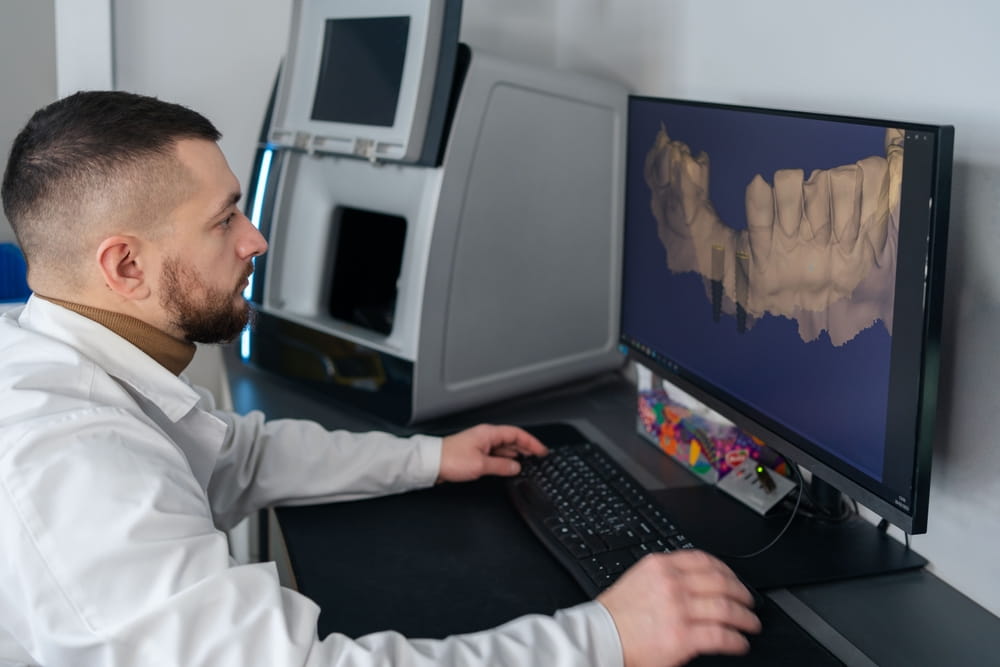
Digital denture systems replace many conventional laboratory procedures with digital technologies. Intraoral scans or digitized impressions, CAD design software, and computer-controlled manufacturing work together to create highly accurate prosthetic restorations.
Instead of relying exclusively on physical models, technicians develop virtual designs that can be evaluated, modified, and archived electronically before fabrication begins. Depending on the workflow, dentures may be milled, 3D printed, or produced using a combination of advanced manufacturing techniques.
Within modern digital denture workflows, every stage is designed to improve precision while reducing opportunities for variability.
One of the biggest reasons practices transition to digital dentures is improved accuracy. Digital impressions and CAD software capture detailed anatomical information while minimizing the distortion that can occur with conventional materials.
Technicians can evaluate borders, tooth position, occlusion, and overall prosthesis design before manufacturing begins. This additional level of planning contributes to restorations that fit more consistently and often require fewer chairside adjustments.
Greater accuracy also supports improved patient comfort, as well-fitting dentures tend to provide better retention, stability, and overall satisfaction.
Consistency is essential in removable prosthetics. Traditional fabrication methods involve numerous manual steps that may introduce slight variations from one case to another.
Digital workflows reduce these variables by using standardized design processes and computer-guided manufacturing. Once a design has been finalized, it can be reproduced with remarkable consistency, helping practices deliver predictable results across a wide range of cases.
This repeatability benefits both clinicians and patients by improving confidence in the restorative process.
Efficiency is another major advantage driving the adoption of digital denture systems. Digital records can be transmitted electronically to the laboratory almost immediately, eliminating shipping delays associated with physical impressions and models.
Laboratory technicians can begin design work sooner, and many production steps can be completed more efficiently using digital manufacturing equipment. These streamlined workflows often contribute to shorter treatment timelines while maintaining high standards of quality.
Practices also benefit from simplified case management, easier record storage, and improved communication throughout the restorative process.
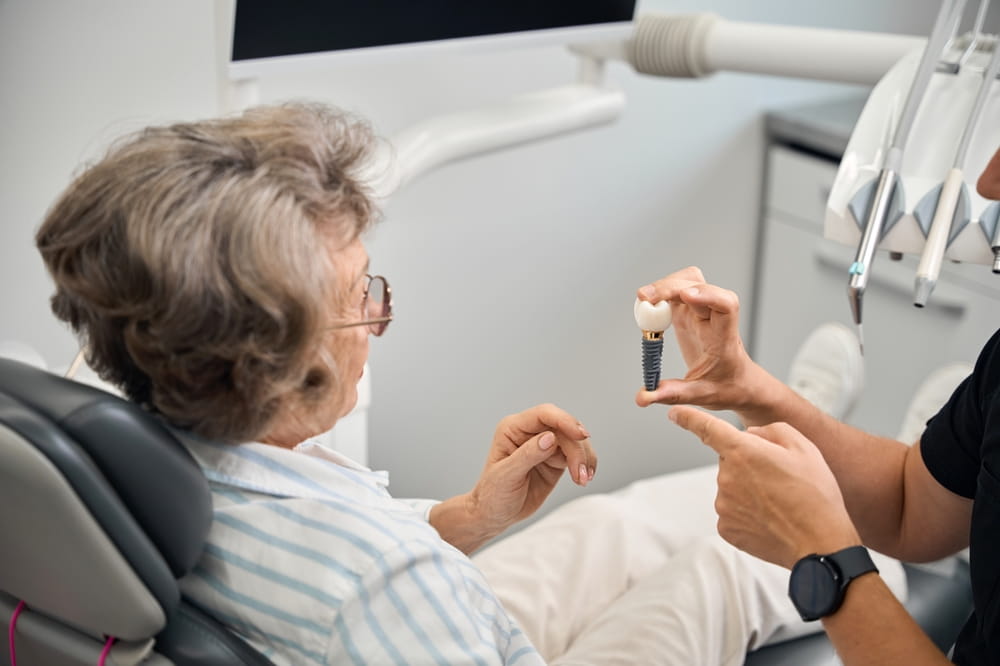
Patients often appreciate seeing digital technology incorporated into their treatment. Digital previews and virtual models help explain proposed treatment while giving patients greater confidence in the restorative process.
Rather than relying solely on verbal descriptions, clinicians can use digital visualizations to discuss tooth arrangement, esthetics, and treatment expectations before fabrication begins.
This enhanced communication helps patients understand the value of their treatment and often contributes to greater satisfaction throughout the process.
One of the most valuable long-term advantages of digital denture systems is permanent electronic record storage. Traditional dentures often require physical casts that may be discarded or damaged over time.
Digital files remain archived and accessible for future reference. If a denture is lost, damaged, or requires modification, technicians can retrieve the original design and produce a replacement far more efficiently than recreating the case from the beginning.
This capability provides additional convenience for both patients and dental practices while supporting continuity of care.
Digital denture systems integrate well with broader restorative treatment planning. Digital records can be coordinated with implant planning, occlusal analysis, and restorative design software to create more comprehensive treatment solutions.
Patients receiving implant restorations may particularly benefit from these integrated workflows because implant-supported overdentures often require precise coordination between surgical planning and prosthetic fabrication.
Digital collaboration allows clinicians and laboratories to evaluate multiple aspects of treatment simultaneously, improving efficiency and predictability.
Modern digital workflows encourage closer communication between dental practices and laboratories. Digital scans, photographs, prescriptions, and treatment objectives can all be shared electronically, giving technicians a more complete understanding of the case before fabrication begins.
This collaborative approach helps identify potential concerns early while allowing adjustments to be made digitally rather than after manufacturing.
Practices working with experienced laboratories benefit from recommendations regarding material selection, prosthetic design, and workflow optimization throughout treatment.
Digital workflows also coordinate effectively with removable restorations, allowing practices to offer a broad range of prosthetic solutions using similar digital technologies.
Beyond the clinical benefits, digital denture systems can improve practice efficiency. Fewer remakes, reduced adjustment appointments, streamlined record management, and more predictable laboratory communication all contribute to a smoother workflow.
Patients increasingly expect practices to utilize modern technology, and digital dentistry can reinforce a practice’s commitment to innovation and quality care. Incorporating digital denture workflows may also improve scheduling flexibility by reducing production delays and simplifying future replacement cases.
As practices continue investing in digital dentistry, these efficiencies often extend beyond removable prosthetics into other restorative procedures as well.
Digital denture systems represent more than simply replacing traditional techniques with new technology. They provide a more precise, efficient, and collaborative approach to removable prosthetic care while supporting consistent clinical outcomes and improved patient experiences.
As digital workflows continue to evolve, more practices are recognizing the benefits of enhanced accuracy, streamlined communication, and long-term record management. Panam Dental Lab, serving Savannah, Houston, and Sandy, understands the value of digital denture technology in helping clinicians deliver removable prosthetic solutions that combine efficiency, precision, and lasting patient satisfaction.
Goodacre CJ, Garbacea A, Naylor WP. CAD/CAM fabricated complete dentures: Concepts and clinical methods. Journal of Prosthetic Dentistry.
Bidra AS, Taylor TD, Agar JR. Computer-aided technology for fabricating complete dentures. Journal of Prosthetic Dentistry.
Revilla-León M, Özcan M. Additive manufacturing technologies used for processing polymers in dentistry. Journal of Prosthodontics.