Bruxism affects millions of people, often causing tooth wear, fractured restorations, jaw discomfort, headaches, and muscle fatigue. One of the most common conservative treatment options is a custom nightguard designed to protect teeth from excessive grinding and clenching during sleep. While traditional fabrication methods have served patients well for decades, digital dentistry has introduced significant improvements in the design and manufacture of these appliances. For dental practices working with Panam Dental Lab across Savannah, Houston, and Sandy, digital nightguards offer enhanced precision, greater consistency, and a more efficient workflow from impression to delivery.
As digital technology continues to reshape restorative and preventive dentistry, nightguard fabrication has become faster, more accurate, and easier to reproduce when replacements are needed.
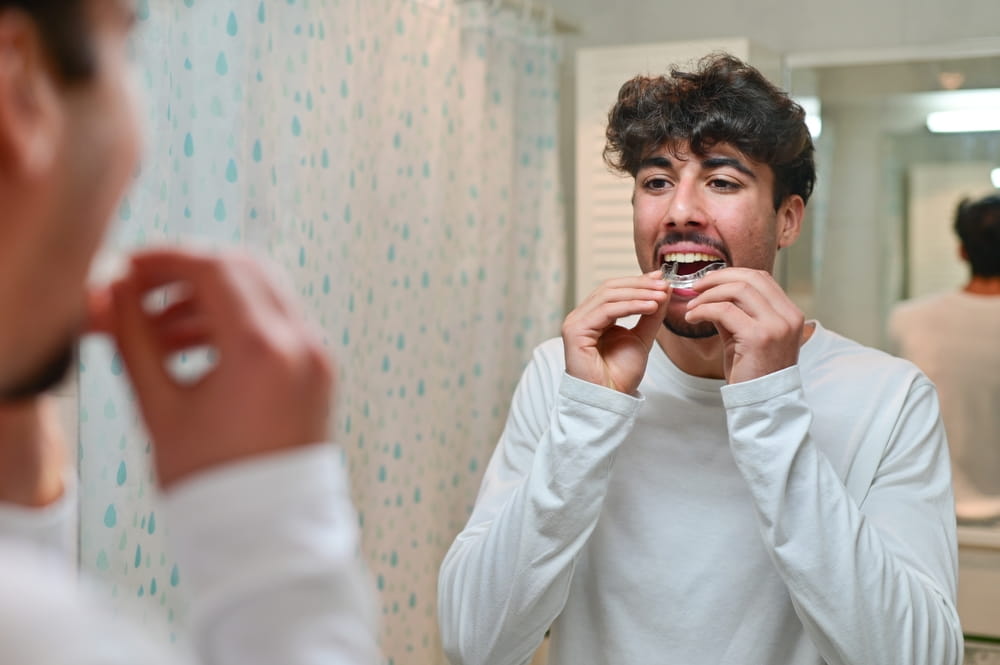
Bruxism is characterized by involuntary grinding or clenching of the teeth, most commonly during sleep but sometimes while awake. Over time, these repetitive forces can wear away enamel, fracture restorations, contribute to temporomandibular joint (TMJ) discomfort, and strain the surrounding muscles.
Many patients are unaware they grind their teeth until symptoms begin to appear. Flattened tooth surfaces, chipped enamel, increased tooth sensitivity, or reports from a sleeping partner are often among the first signs.
Although nightguards do not eliminate the underlying cause of bruxism, they help protect the teeth and existing dental work by reducing the direct effects of excessive occlusal forces.
Traditional custom nightguards are typically fabricated using physical impressions, stone models, and manual laboratory processes. While these appliances can provide excellent protection, each manufacturing step introduces opportunities for distortion or minor inaccuracies.
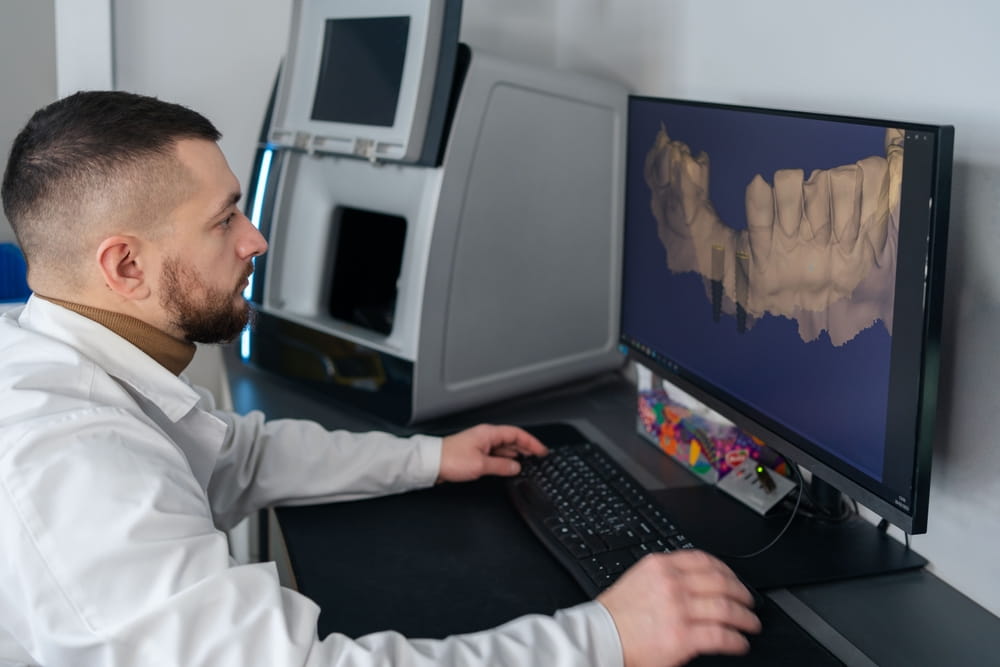
Digital nightguards begin with highly accurate intraoral scans or digitally generated models. Specialized software is then used to design the appliance before computer-controlled manufacturing produces the final product with exceptional precision.
Because digital workflows reduce many of the variables associated with conventional fabrication, they often provide a more consistent fit while minimizing the need for chairside adjustments.
One of the greatest advantages of digital nightguards is their accuracy. Digital impressions capture highly detailed representations of the teeth without the dimensional changes that may occur with traditional impression materials.
This precise digital data allows laboratories to design appliances that closely match the patient’s anatomy and occlusal relationships. The result is a nightguard that seats more predictably and distributes occlusal forces more evenly.
Digital fabrication is especially beneficial for sleep and orthodontic appliances because precise adaptation contributes directly to comfort, retention, and patient compliance.
Comfort is one of the primary factors influencing whether patients consistently wear their nightguards. An appliance that feels bulky, unstable, or difficult to insert is less likely to be used regularly.
Digital design allows technicians to optimize thickness, contour, and edge design while maintaining the protective function of the appliance. These refinements improve comfort without sacrificing durability.
When patients experience a better initial fit, they often adapt to the appliance more quickly, increasing the likelihood of long-term compliance.
Digital manufacturing provides remarkable consistency from one appliance to the next. Since each nightguard is fabricated directly from a digital design, the final product closely reflects the approved treatment plan.
Modern manufacturing materials are also designed for durability and wear resistance. Depending on the patient’s needs, laboratories can fabricate appliances with varying levels of rigidity, flexibility, and thickness to address different grinding patterns and functional requirements.
The combination of precise design and high-quality materials helps create appliances capable of withstanding the repetitive forces associated with chronic bruxism.
One unique advantage of digital workflows is the ability to archive appliance designs electronically. If a nightguard is lost, damaged, or worn over time, the laboratory can often reproduce the appliance using the original digital file without repeating every step of the fabrication process.
This digital record reduces inconvenience for both patients and clinicians while helping maintain consistency between replacement appliances.
Archived digital files also provide valuable documentation for future treatment and ongoing patient care.
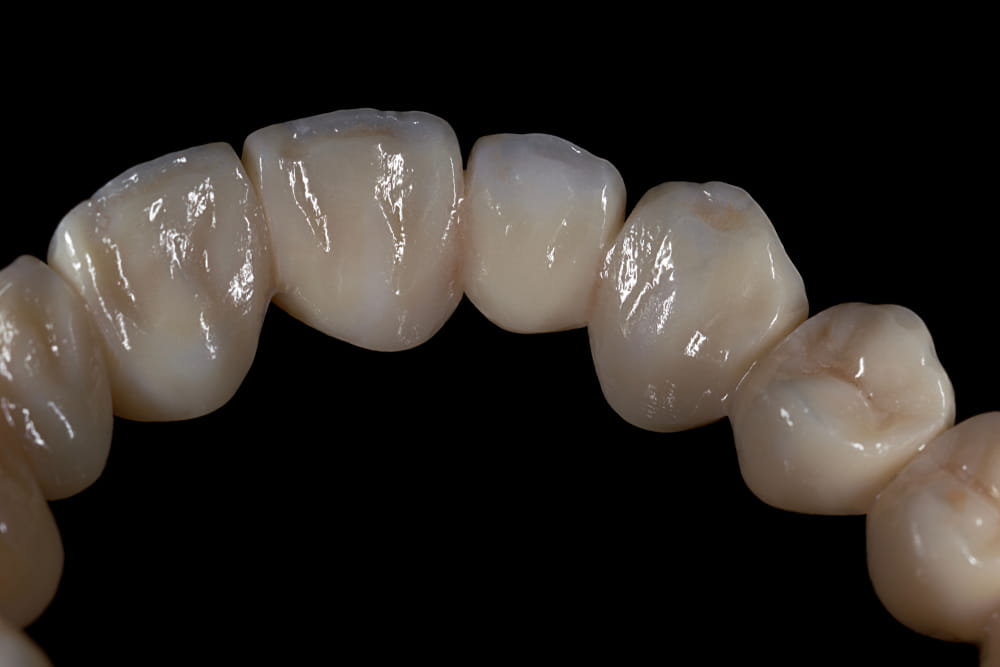
Protecting restorative work is another important reason many clinicians recommend custom nightguards. Patients with crowns, veneers, bridges, or implant-supported restorations often place significant investment into their dental treatment.
A properly designed nightguard helps reduce excessive occlusal forces that may contribute to premature wear or mechanical complications involving restorations.
Patients who have received fixed restorations may particularly benefit from custom digital nightguards because they help preserve both natural teeth and restorative materials over the long term.
Digital workflows strengthen communication between clinicians and the dental laboratory. Instead of shipping physical impressions, practices can securely transmit digital scans, prescriptions, and clinical photographs directly to technicians.
This streamlined process reduces shipping delays, minimizes the risk of damaged models, and allows laboratories to begin design work more efficiently.
Digital collaboration also allows technicians to review records, identify potential concerns, and request clarification before fabrication begins, improving overall predictability.
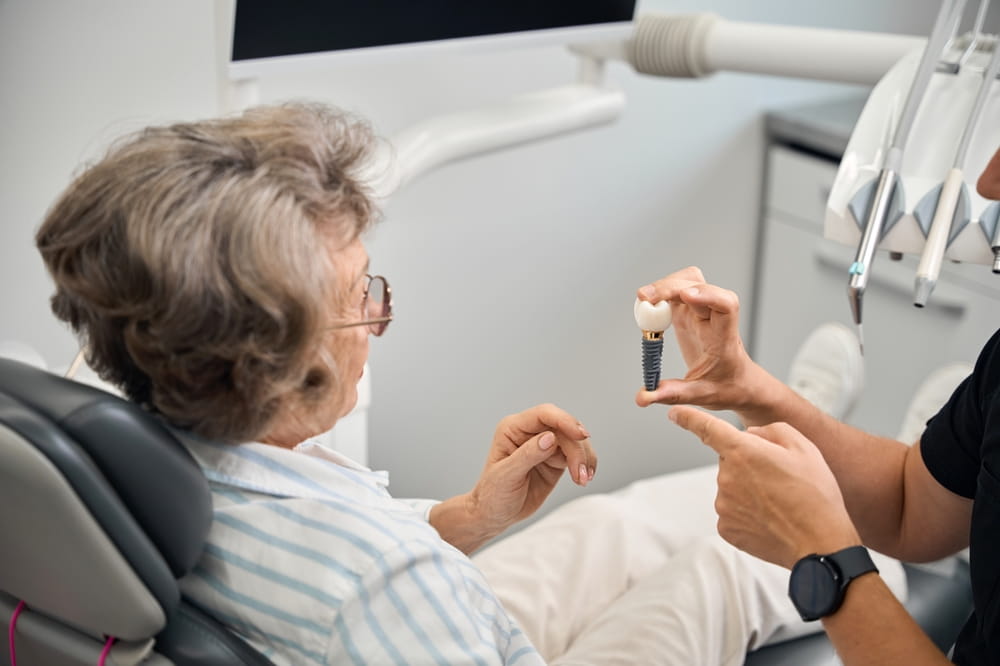
Patients undergoing comprehensive treatment that includes implant restorations or other complex restorative procedures particularly benefit from this coordinated digital communication, as protective appliances can be designed to complement the final restorations.
Advancements in digital dentistry continue to improve every stage of appliance fabrication. More accurate scanners, sophisticated design software, and evolving manufacturing technologies are making custom nightguards increasingly precise and efficient.
These innovations not only improve appliance quality but also simplify practice workflows and enhance the patient experience. As digital technologies continue to evolve, clinicians can expect even greater customization and predictability in protective appliance therapy.
Digital nightguards do not eliminate bruxism, but they can provide a dependable barrier between opposing teeth and help protect existing restorations from repeated occlusal stress. Their clinical value depends on accurate records, thoughtful appliance design, appropriate material selection, and regular evaluation as the patient’s dentition changes.
The ability to archive a completed design also simplifies future replacement when a guard is worn, damaged, or lost. For practices throughout Savannah, Houston, Sandy, and surrounding areas, Panam Dental Lab uses digital workflows to help translate clinical records into appliances designed for accurate seating, balanced contacts, and practical long-term use. The goal is not technology for its own sake, but a more repeatable process that supports comfort and consistent wear.
American Academy of Orofacial Pain. Guidelines for Assessment, Diagnosis, and Management.
Okeson JP. Management of Temporomandibular Disorders and Occlusion. Elsevier.
American Dental Association. Bruxism (Teeth Grinding) Clinical Resources.