Understanding the distinctions between fixed and removable restorations is essential for making confident, predictable treatment decisions that support long-term patient outcomes. For clinicians in Savannah, GA; Houston, TX; and Sandy, UT, this comparison offers clarity on how to approach restorative planning with precision. In this article, you’ll learn how each category functions, what advantages they offer, and how digital advancements continue to refine restorative workflows. Panam Dental Lab is proud to support clinicians across these regions by sharing insights that help elevate case success.
What Defines Fixed Restorations?
Fixed restorations are designed to remain permanently seated in the mouth once placed. Because they mimic the natural function and appearance of teeth, they are often recommended when durable, long-term support is required. Common examples include crowns, bridges, inlays, onlays, and implant-supported solutions. Many clinicians leverage modern materials and evolving fabrication techniques to improve accuracy, esthetics, and biomechanical performance. For dentists who want to explore categories within this field, learning more about contemporary options in fixed dentistry—such as those found in resources related to advanced fixed solutions—can support more predictable and efficient treatment planning. One example includes reviewing modern restorative materials highlighted through educational content on fixed restorations.
Fixed restorations excel in situations where stability and longevity are the priority. They allow patients to maintain normal eating, speaking, and hygiene habits with minimal adjustment once treatment is complete. Because they are anchored securely—whether to natural tooth structure or implants—they distribute occlusal forces in a way that often feels natural to patients. Additionally, digital workflows such as CAD/CAM scanning and milling have made it easier for labs and clinicians to collaborate on highly precise outcomes.
While the benefits are substantial, fixed restorations do require suitable anatomical conditions. Adequate tooth structure, bone volume, and soft-tissue stability are essential components of long-term success. This is especially relevant in implant planning, where case evaluation plays a central role. Clinicians who want to deepen their understanding of implant-supported options may find value in educational resources connected to implant restoration systems, which outline broader considerations of durability, design, and biomechanics.
How Removable Restorations Function
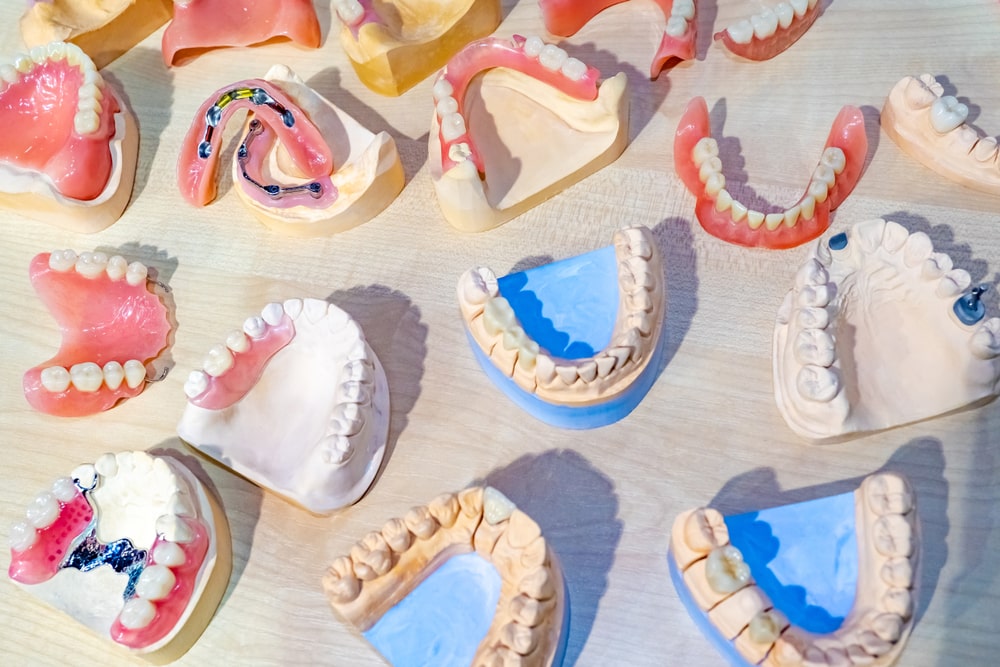
Removable restorations, by contrast, are designed to be taken in and out of the mouth by the patient. These include partial dentures, complete dentures, and certain hybrid prosthetic designs. Although they differ significantly from fixed restorations, modern removable solutions continue to evolve—especially with the introduction of digital dentures and improved impression systems. For clinicians exploring advanced removable techniques and materials, resources related to removable prosthetics can offer valuable context for treatment planning.
One major advantage of removable restorations is adaptability. For patients with extensive tooth loss, compromised bone volume, or financial limitations, removable options can offer a functional and esthetic solution without the extensive preparation required for fixed restorations. They can be fabricated to suit a wide range of oral environments, including cases with severe ridge resorption. With digital workflows, the precision of removable appliances has greatly improved, resulting in better fit and patient comfort.
Additionally, removable prosthetics can be excellent transitional solutions. When long-term restorative outcomes require staged treatment—such as bone grafting or implant placement—removables offer temporary stability while supporting esthetics. Some clinicians also explore digital workflows such as those used in digital dentures, which streamline fabrication and enhance repeatability.
Key Differences Between Fixed and Removable Restorations
Because each restorative category offers unique advantages, comparing them side-by-side helps clarify clinical decision-making. The following distinctions highlight what clinicians should consider during treatment planning:
• Longevity: Fixed restorations generally offer longer-term durability due to their secure attachment, while removable prosthetics may require periodic relining or replacement.
• Function: Fixed solutions typically provide a more natural chewing experience; removable restorations may have functional limitations depending on design.
• Esthetics: Both can achieve excellent esthetics, though fixed restorations often allow for more lifelike translucency and natural morphology.
• Maintenance: Removable prosthetics require daily removal and cleaning; fixed restorations integrate directly into the patient’s hygiene routine.
• Candidacy: Not all patients are suitable for fixed restorations—bone loss, anatomy, or financial considerations may make removable options more appropriate.
These comparisons emphasize the importance of personalized planning. One “best” choice does not exist; instead, restorations must align with clinical findings and patient goals.
When to Choose Fixed vs. Removable Restorations
Choosing between fixed and removable solutions requires a thoughtful evaluation of oral health, esthetics, function, and patient expectations. In many cases, fixed restorations are ideal when the goal is to prioritize stability and long-term performance. They are frequently selected for cases involving fractured teeth, large restorations, missing single teeth, or situations where implants can provide a foundation for prosthetics. Resources that outline implant-supported and hybrid designs—similar to what is explored in implant education—can help guide these decisions.
Removable restorations are often better suited for patients with multiple missing teeth, insufficient bone volume, or those seeking a cost-effective but functional solution. With modern advancements, clinicians can provide removable options that offer impressive fit, comfort, and esthetics, especially when fabricated using digital processes. Some workflows even incorporate precise replication methods, similar to those discussed in systems like the Pan-Am Precise Denture Clone, which emphasize accuracy and predictability in denture fabrication.
For patients experiencing partial loss or specific occlusal concerns, combining removable and fixed restorations may also be appropriate. Hybrid approaches allow clinicians to support long-term function while managing short-term transitions effectively. When clear aligner therapy is part of the restorative sequence—for space creation or pre-prosthetic positioning—educational resources related to clear aligners can support interdisciplinary planning.
Clinical Considerations That Influence Restoration Selection
Determining the appropriate restorative pathway depends on several clinical factors. Anatomical evaluation is fundamental—particularly when assessing bone quality, ridge shape, or the presence of existing restorations. Occlusion, parafunctional habits, esthetic expectations, and oral hygiene practices also play meaningful roles.
Digital technology has significantly improved this decision-making process. Intraoral scanning reduces inaccuracies, digital design enhances visualization, and modern materials improve functional longevity. Many clinicians also incorporate removable appliances during treatment stages, including devices similar to those used in sleep or airway management. Educational content related to sleep and ortho appliances can help clinicians better understand how these transitional tools may interact with long-term restorative planning.
By combining clinical assessment with digital workflows, dentists can tailor treatment plans to deliver predictable, patient-centered outcomes—whether fixed, removable, or a combination of both.
Practical Tips for Comparing Fixed and Removable Options
While each case is unique, the following practical insights may help guide restorative decisions:
• Evaluate long-term prosthetic goals before beginning treatment.
• Consider digital impressions early to streamline communication and workflow.
• Discuss daily maintenance expectations with patients to ensure realistic outcomes.
• Review occlusal patterns and parafunction to inform material and design choices.
• Reassess periodically, especially if using transitional removable appliances during staged treatment.
Conclusion
Fixed and removable restorations each offer distinct advantages, and choosing between them requires a thoughtful balance of clinical assessment, patient expectations, and long-term functional goals. By understanding the foundational differences between the two, dentists can better navigate restorative planning and deliver predictable outcomes. Panam Dental Lab is dedicated to supporting clinicians across Savannah, Houston, and Sandy with educational insights that strengthen confidence and clarity in restorative decision-making.
Sources
Goodacre CJ, Goodacre BJ (2017). Fixed prosthodontics: Principles, materials, and techniques. Journal of Prosthodontics.
Zarb GA, Hobkirk J, Eckert S, Jacob R (2013). Prosthodontic Treatment for Edentulous Patients. Journal of Prosthetic Dentistry.
Bidra AS et al. (2019). Clinical outcomes of fixed vs. removable implant prostheses. International Journal of Oral & Maxillofacial Implants.