In today’s rapidly advancing dental landscape, digital technology is reshaping the way clinicians plan, fabricate, and deliver restorations. At Panam Dental Lab, serving practices in Savannah, GA; Houston, TX; and Sandy, UT, digital innovation has become central to helping dentists streamline clinical processes and elevate patient outcomes. As more practices shift to fully or partially digital systems, understanding how these workflows enhance speed, accuracy, and reliability is essential—especially for dentists seeking predictable, high-quality results across restorative, implant, and removable cases.
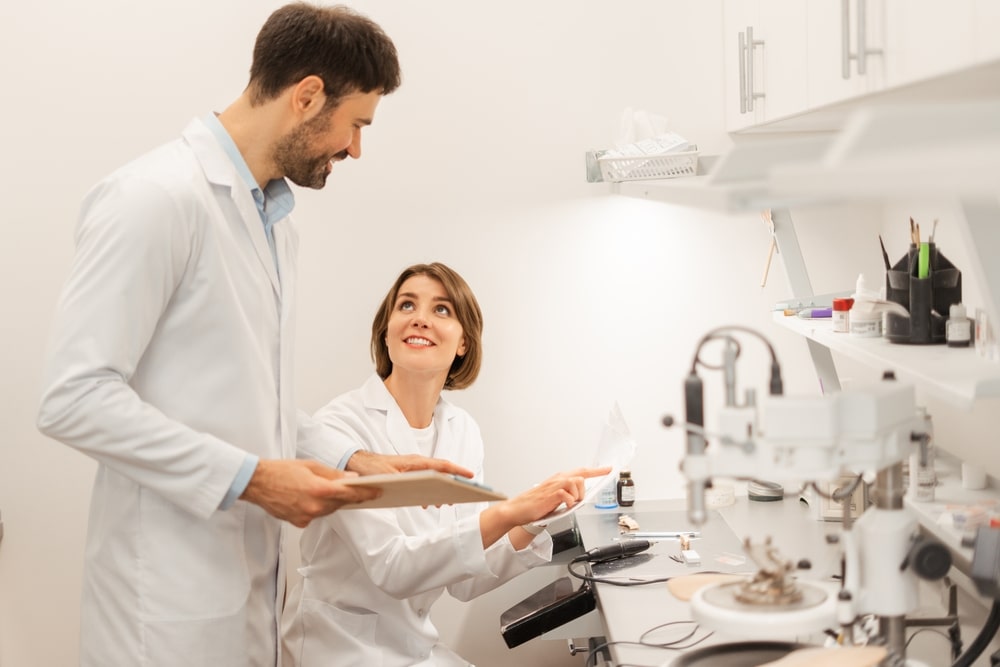
Digital workflows are more than simply replacing analog materials with scanners or software. They represent an integrated ecosystem where diagnostics, design, and production function in harmony. Whether used for CAD/CAM dentistry, implant planning, or the design of modern prosthetics like digital dentures, these systems reduce the friction that traditionally slows turnaround times while improving consistency. For dentists operating in busy metropolitan environments or fast-growing markets, the efficiency gained can significantly impact productivity and patient satisfaction.
How Digital Workflows Streamline the Dental Production Process
Transitioning to digital dentistry offers measurable benefits across every stage of treatment. From impression-taking to final delivery, the process becomes cleaner, faster, and more predictable.
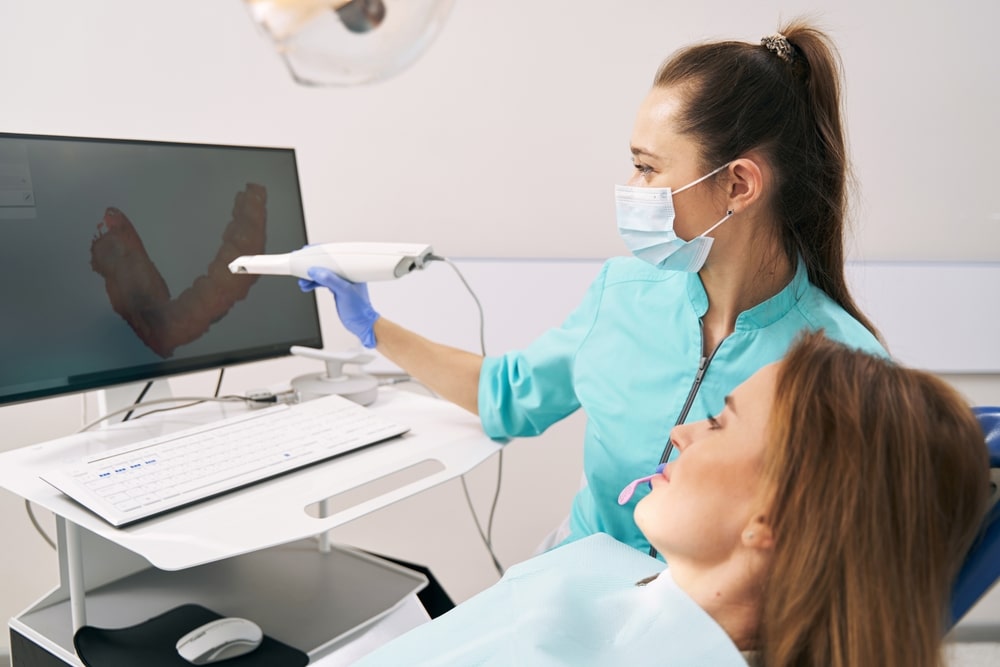
One of the most immediate improvements comes from intraoral scanning. Traditional impressions are subject to distortion, tray limitations, and patient discomfort. Digital impressions, however, capture detailed data quickly and eliminate many of the inaccuracies caused by materials or technique. Once uploaded, these scans integrate directly into CAD software, allowing dental technicians to design restorations with precision that rivals or exceeds analog methods.
CAD/CAM technology then accelerates fabrication. With milling and printing capabilities now operating at exceptional speeds, dental restorations—from crowns and bridges to comprehensive fixed restorations—can be produced in a fraction of the time once required. This efficiency is especially valuable for dentists managing complex cases, such as full-arch treatment or implant-supported solutions.
Digital workflows also streamline communication. Instead of mailing impressions or shipping models, dentists and labs can exchange designs, scans, and approvals instantly. This reduces the risk of errors, minimizes remakes, and helps keep production timelines on track. With consistent digital records, tracking patient history becomes easier, facilitating long-term case management and restorative maintenance.
Improving Accuracy Through CAD/CAM Dentistry
Accuracy is at the core of successful restorative dentistry. Digital workflows are designed to minimize human error by using data-driven design and automated processes whenever appropriate. CAD tools allow technicians to manipulate 3D models with exacting detail, ensuring proper fit, occlusion, and morphology.
For implant dentistry, the integration of digital planning software allows clinicians to align implant placement with prosthetic goals from the start. Digital surgical guides further enhance placement accuracy, reducing complications and making restorative phases more predictable. When paired with digitally designed implant restorations, dentists can achieve results that align with both functional and esthetic demands consistently.
Digital dentures also benefit from increased precision. Scannable records, predefined tooth libraries, and repeatable design protocols make it easier to fabricate dentures that fit comfortably and require fewer adjustments. The repeatability of digital files means replacements or modifications can be done efficiently without starting from scratch.
Faster Turnaround Times Benefit Both Practices and Patients
In modern dental practices, time has become a valuable clinical asset. Digital workflows significantly accelerate production, which ultimately improves scheduling flexibility and decreases patient chair time.
Faster turnaround depends on a few key advantages:
- Immediate transfer of digital impressions
- Automated design tools that reduce manual labor
- High-speed milling and 3D-printing systems
- Reduced remake rates due to greater accuracy
- More efficient communication between clinicians and technicians
These efficiencies translate into earlier case completion and shorter waiting periods for patients.
For example, digital design systems allow labs to fabricate restorations quickly without compromising consistency. Similarly, removable appliances created through digital processes—such as those produced within modern removable restoration workflows—arrive sooner and often require fewer adjustments. This can be especially beneficial for patients requiring functional appliances such as sleep devices or orthodontic solutions.
Digital workflows also allow for streamlined storage and retrieval of patient files. If a patient loses a device or requires a replacement, the lab can reference the original 3D design rather than requesting new impressions. This alone can save days of production time.
Digital Systems Enhance Collaboration and Case Planning
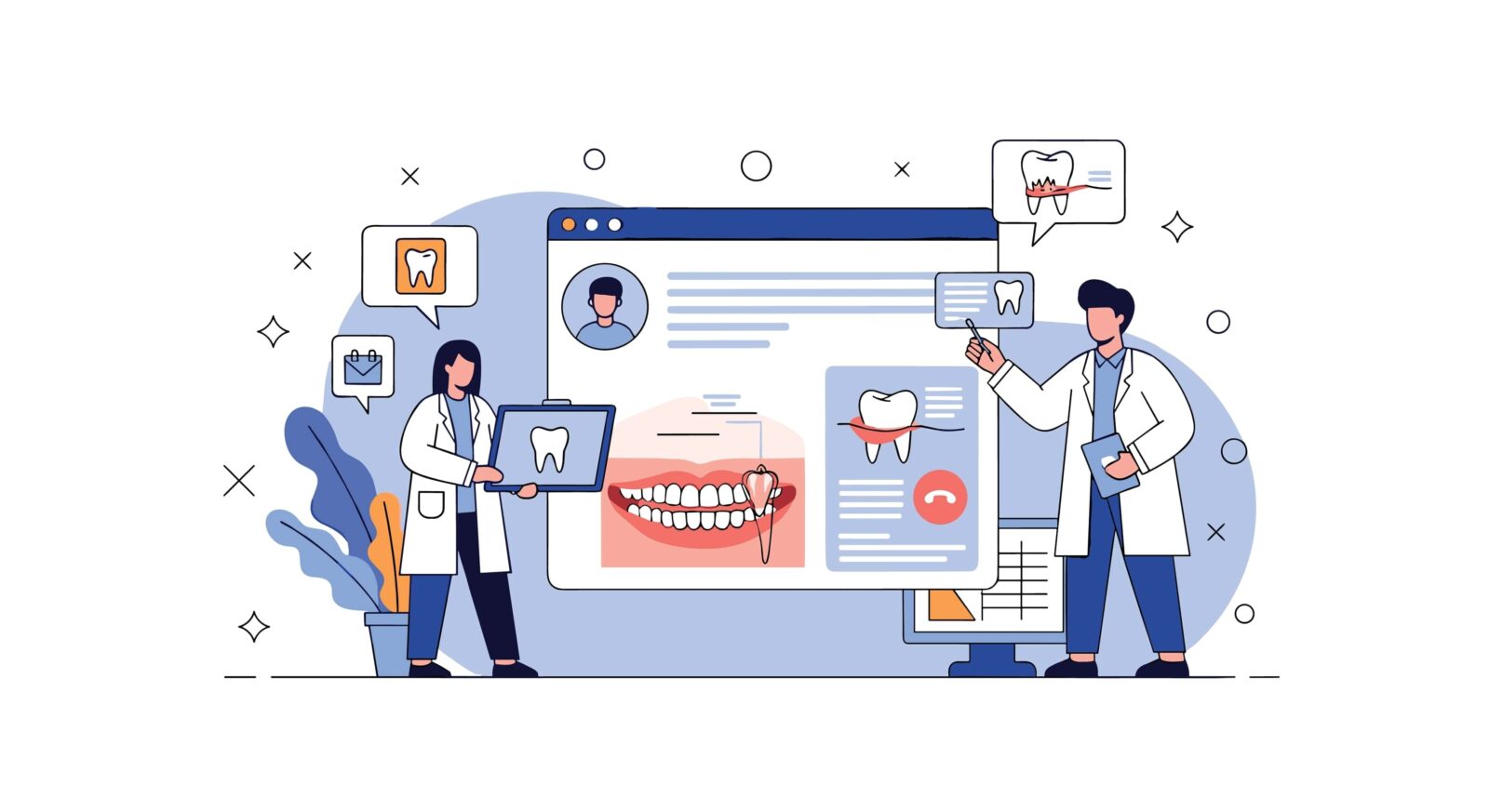
One of the most transformative aspects of digital workflows is the enhancement of dentist-lab collaboration. Tools such as shared digital platforms, virtual case planning, and cloud-based file storage allow for real-time adjustments that simply aren’t possible with traditional methods.
For implant planning, collaborative software solutions give dentists and technicians the ability to visualize bone density, anatomical structures, and prosthetic goals within the same digital environment. This makes it easier to design implant-supported restorations that fit precisely and meet the esthetic expectations of the final plan.
Digital planning is also invaluable for full-arch and complex restorative cases. Using digital duplication systems such as the Pan-Am Precise Denture Clone, clinicians can follow predictable workflows that document each stage clearly. The result is more consistent patient outcomes and smoother clinical transitions between appointments.
By changing how information is shared, digital dentistry reduces the possibility of miscommunication, allowing both the dentist and the lab to anticipate potential issues early in the process. This proactive approach helps prevent costly delays and remakes.
Why Digital Dentistry Matters for Growing Practices
As dental technology evolves, digital workflows are becoming essential rather than optional—particularly for practices in competitive and fast-growing markets like Savannah, Houston, and Sandy. Patients increasingly expect efficiency and comfort, and digital systems help practices deliver both. The seamless nature of digital processes allows clinicians to integrate expanded services, support larger patient bases, and maintain high-quality care.
Digital workflows also support scalability. As practices grow, analog processes can become bottlenecks, slowing treatment delivery. Digital systems, on the other hand, adapt more easily to higher case volumes while actually increasing predictability. Whether incorporating orthodontic systems like clear aligners or offering advanced functional appliances similar to those in modern sleep/ortho categories, digital dentistry provides the infrastructure needed to sustain growth.
Closing Thought
Digital workflows are transforming dentistry by making production faster, more precise, and more predictable. For clinicians in Savannah, Houston, and Sandy, working with a forward-focused partner like Panam Dental Lab can empower practices to confidently integrate digital technologies into everyday treatment. As the field continues to evolve, embracing digital systems will remain central to delivering efficient, reliable, high-quality care.
Sources
Christensen, G.J. (2018). Impressions are changing: Digital vs. conventional impressions. Journal of the American Dental Association.
Mangano, F., et al. (2020). Digital versus conventional workflows for the fabrication of implant-supported restorations. International Journal of Oral & Maxillofacial Implants.
Goodacre, C., et al. (2017). The evolution of dental materials and digital dentistry. Journal of Prosthodontics.