Introduction
Choosing the most appropriate implant restoration for complex clinical situations is essential for achieving long-term predictability, especially for dentists managing advanced cases in Savannah, GA, Houston, TX, and Sandy, UT. Working with Panam Dental Lab, clinicians gain clarity around how different implant restoration designs, materials, and workflows influence outcomes. This article explores key considerations for selecting implant restorations in challenging scenarios and highlights strategies that support stable, esthetic, and functional results.
Understanding the Challenges of Complex Implant Cases
Complex implant cases often involve a combination of anatomical, prosthetic, and occlusal challenges. Severe bone loss, parafunctional habits, limited restorative space, and esthetic demands require a deeper level of planning to ensure that the final restoration integrates well with the patient’s biology and functional patterns. Restoring such cases depends not only on surgical execution but also on choosing the right restorative pathway from the start.
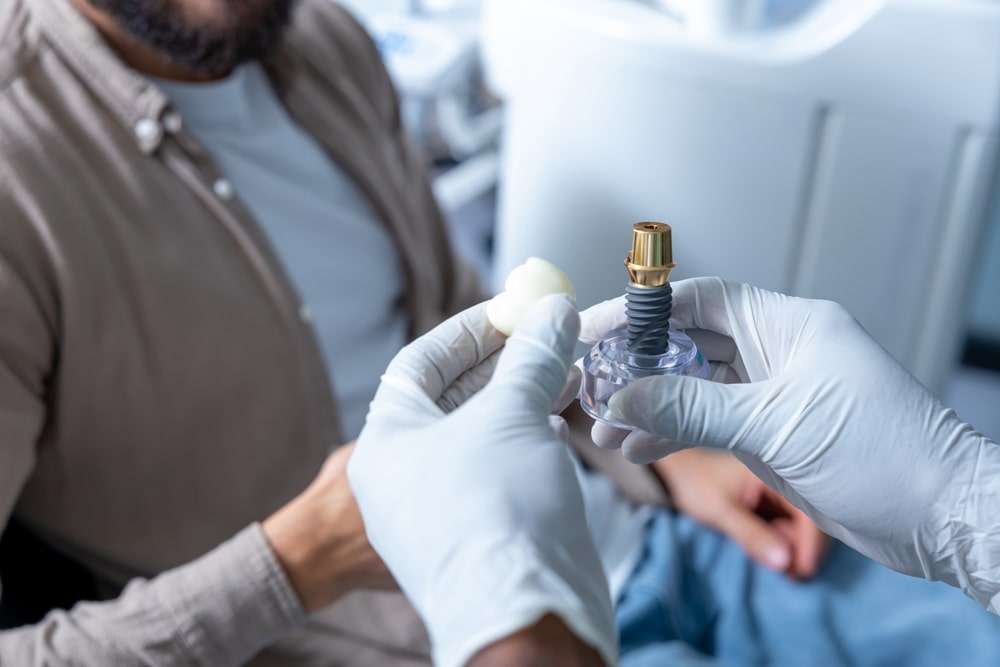
Implant restorations vary greatly in design—from custom abutments to full-arch solutions—and the selection must align with bone quality, implant positioning, and long-term functional demands. A thoughtful evaluation also includes digital diagnostics, provisionalization strategies, and the biomechanical requirements of the restoration to ensure predictability for years to come.
Selecting the Right Restoration Based on Clinical Needs
Every complex implant case begins with determining whether a screw-retained or cement-retained approach is most appropriate. Screw-retained restorations often allow easier retrievability, making them a preferred choice for many advanced cases; however, their success depends heavily on precise implant angulation. When ideal positioning isn’t possible due to anatomical constraints, cement-retained crowns may offer more control over esthetics and occlusal form.
Full-arch cases require even more comprehensive planning. Digital workflows and advanced materials help dentists create stable, long-term prosthetics tailored to patient-specific needs. When evaluating options for full-arch or multi-unit cases, exploring digitally driven systems such as modern fixed restorations can streamline both prosthetic accuracy and patient comfort. For example, understanding the role of well-designed fixed restorations can guide implant angulation and the prosthetic stack, especially when occlusal clearance is limited or when durability is a primary concern.
How Digital Diagnostics Improve Predictability
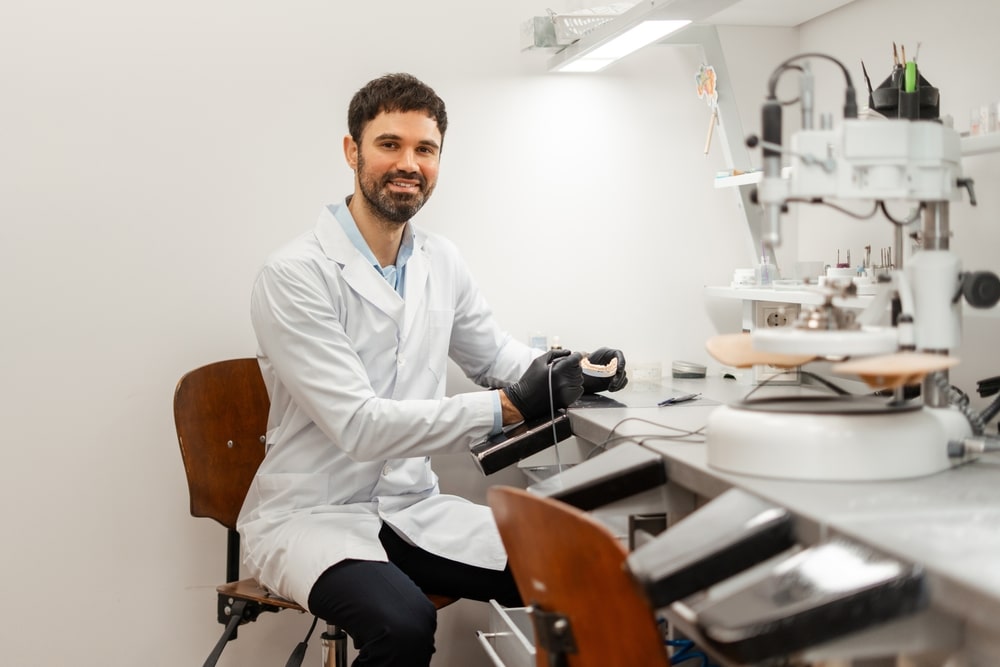
Digital technology has transformed the way clinicians approach complex implant cases. High-resolution scans, 3-D printed models, and CAD/CAM design platforms help establish precise parameters long before any prosthetic is fabricated. These tools allow for enhanced visualization, reduction of chairside adjustments, and improved communication across the treatment team.
Digital planning is particularly valuable in extensive restorations or cases involving compromised bone levels. When paired with modern diagnostic tools and restorative materials, clinicians can more confidently determine whether a custom abutment, a full-arch solution, or another prosthetic design best fits the patient’s functional and esthetic goals. Digital workflows also support advanced removable options such as digital dentures or innovative alternatives like the Pan-Am Precise Denture Clone, which offer significant precision for patients requiring both implant support and removable prosthetics.
Implant Restorations That Support Complex Cases
Certain implant restorations are particularly well-suited for challenging clinical conditions. As each case presents unique variables, the restorative design must accommodate both prosthetic and biological realities. Whether you are evaluating custom abutments, multi-unit restorations, or full-arch prosthetics, each choice influences the stability and long-term performance of the case.
For clinicians managing advanced rehabilitation, reviewing the available spectrum of implant solutions can illuminate how various components interact under load. Additionally, hybrid situations—such as combining implants with removable appliances—can benefit from understanding the broad restorative landscape. In these cases, resources like advanced removable options or specialized airway-focused prosthetics such as sleep and ortho appliances may inform treatment planning for medically complex patients.
Practical Tips for Managing Advanced Implant Cases
Complex implant cases often require coordination, careful sequencing, and layered planning. The following practical considerations can support predictable outcomes:
• Evaluate occlusal pathways early to determine whether parafunctional habits may influence material selection.
• Use provisional restorations to test esthetics, phonetics, and functional patterns before finalizing the design.
• Consider digital articulators or advanced scanning for cases involving multiple implants or full-arch reconstruction.
• Integrate protective strategies such as night guards when planning long-term maintenance.
• Review multi-disciplinary factors, especially when implants interact with removable or airway-related prosthetics.
Conclusion
Choosing the right implant restoration for a complex case requires balancing anatomy, biomechanics, esthetics, and digital planning. With thoughtful evaluation and the support of a well-aligned team, dentists in Savannah, GA, Houston, TX, and Sandy, UT can deliver predictable, long-term outcomes for even the most challenging implant scenarios. Collaboration and careful case design remain central to achieving lasting success, and Panam Dental Lab is proud to support clinicians throughout this process.
Sources
Misch CE (2015). Dental Implant Prosthetics. Mosby.
Joda T, Ferrari M (2020). Digital dentistry and clinical workflow optimization. Journal of Dentistry.
Papaspyridakos P et al. (2018). Implant restorations in challenging clinical scenarios. Journal of Prosthodontics.