Accurate implant case submissions play a crucial role in achieving predictable restorative outcomes. Whether restoring single units or managing complex multi-implant cases, the quality of the information clinicians provide at the outset directly influences design precision, turnaround time, and prosthetic fit. For dentists in Savannah, GA, Houston, TX, and Sandy, UT, understanding the essential elements of implant submissions can streamline workflows and support long-term success. In this guide, Panam Dental Lab outlines practical steps that help reduce remakes, prevent delays, and strengthen communication between the clinical and laboratory teams.
Why High-Quality Case Submissions Matter
Implant restorations rely on detailed clinical data, radiographs, and soft-tissue information to achieve accurate and functional outcomes. Incomplete submissions may lead to fabrication delays, incorrect components, or compromised prosthetic fit. Establishing a consistent submission process allows clinicians to provide the lab with everything necessary for efficient and predictable design.
With digital workflows becoming more common, implant dentistry benefits from improved precision and communication. Clinicians may reference resources on implant restorations to better understand how components, materials, and workflows interact during treatment planning.
Provide Clear Implant Positioning Information
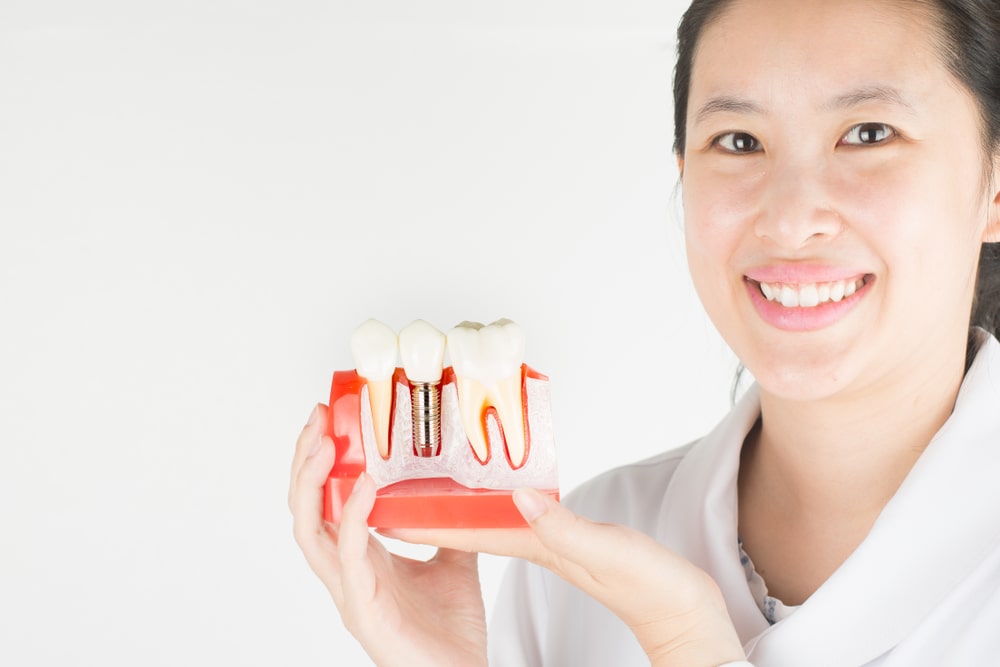
Accurate implant identification is essential for selecting the correct restorative components. Clinicians should clearly document the implant system, platform size, depth, angulation, and connection type. Even slight errors in system identification can lead to incorrect abutment selection, which may affect clinical fit.
Radiographs—both periapical images and CBCT scans—help confirm angulation and bone levels, while also allowing the lab to identify any anatomic constraints before beginning design. Including these early in the submission process prevents unnecessary follow-up questions and helps maintain case momentum.
Capture Accurate Impressions or Digital Scans
High-quality impressions or scans form the foundation of every implant restoration. Rigid materials, properly seated impression copings, and adequate soft-tissue management help ensure accuracy with conventional impressions. Open-tray impressions remain particularly valuable in multi-unit cases because they help record implant angulation reliably.
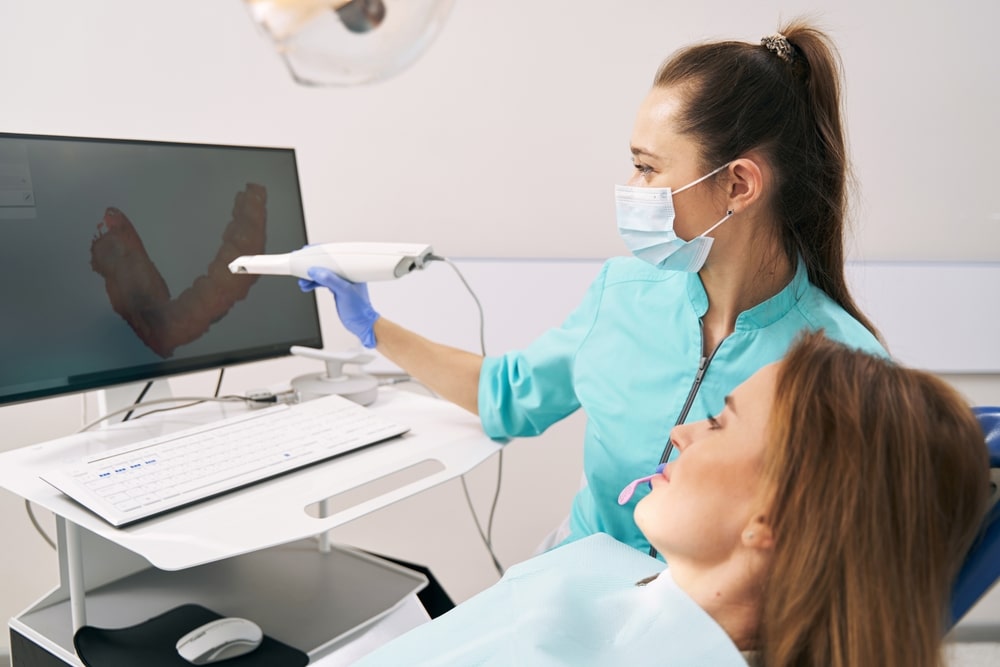
Digital impressions require full capture of the scan body, proper scanner calibration, dryness control, and consistent scanning technique. Extending scans beyond the immediate implant area helps the lab accurately design occlusion and contacts. For clinicians who use interim removable prosthetics during healing, resources on removable solutions can be helpful in understanding how tissue-supported appliances integrate into digital workflows.
Submit Comprehensive Soft-Tissue Information
Accurate soft-tissue representation helps the lab design an appropriate emergence profile and crown contour. Tissue height, thickness, and facial–lingual architecture all influence the final restoration. High-quality photos—frontal, lateral, and occlusal—enhance laboratory communication far more effectively than written descriptions alone.
If a provisional restoration has already shaped the tissue, sending that provisional or a digital scan of it can help the lab maintain the emergence pattern in the final prosthesis.
Include Occlusal and Bite Registration Records
Proper occlusion is vital for implant longevity. Bite records should clearly capture vertical dimension and centric relation. This is especially important when restoring multiple implants, when posterior support is limited, or when full-arch prosthetics are involved.
Digital articulation can simulate occlusion accurately, but only when initial records are correct. Clinicians using CAD/CAM workflows may notice similarities with other prosthetic disciplines, such as CAD-designed fixed restorations, where precision occlusion is equally important.
Communicate the Restorative Plan Clearly
Restorative prescriptions should outline the type of restoration, material preferences, shade, occlusal requirements, and any special instructions related to contacts or tissue support. Clear communication minimizes delays and ensures the restoration aligns with the patient’s clinical and esthetic needs.
Digital technologies increasingly influence removable–implant hybrid workflows as well. Clinicians who integrate digital removable prosthetics may find additional guidance in resources related to digital dentures.
Final Review Before Submission
A final case review helps prevent the most common causes of lab delays. A simple checklist can ensure all essential components are included and accurate:
• Radiographs, photos, and tissue records
• Confirmed scan body or impression coping seating
• Accurate bite registration
• Complete prescription details
• Verified implant system and measurements
Completing this review before submission greatly increases efficiency and reduces the likelihood of remakes.
Advantages of Streamlined Implant Submissions
Streamlined implant case submissions improve workflow efficiency, reduce adjustments, and enhance restorative accuracy. They also support better communication between clinicians and technicians and help ensure case continuity. Key advantages include:
• More predictable prosthetic fit and occlusion
• Reduced chairside adjustments and fewer remakes
• Faster case turnaround and minimized delays
• Clearer communication across the restorative team
• Improved patient satisfaction through smoother workflow
These benefits demonstrate why refining implant submission protocols can positively impact the entire restorative process.
Conclusion
Efficient implant case submissions are essential for achieving precise, predictable restorative outcomes. By providing complete records, accurate impressions or scans, clear soft-tissue information, and thorough bite documentation, clinicians can significantly reduce delays and enhance communication with the laboratory. Panam Dental Lab is proud to support dentists in Savannah, Houston, and Sandy with educational insights that improve implant workflows and elevate restorative success.
Sources
Miyazaki T, Hotta Y (2011). CAD/CAM systems in implant dentistry. Journal of Prosthodontic Research.
Ganz SD (2015). Implementing digital workflows in implant dentistry. Compendium of Continuing Education in Dentistry.
Papaspyridakos P, et al. (2012). Accuracy of implant impressions and related factors. International Journal of Oral & Maxillofacial Implants.