Understanding the Importance of Surgical–Restorative Coordination
Successful implant dentistry depends on seamless coordination between surgical and restorative phases. Each stage of treatment is interconnected, meaning decisions made during implant placement directly influence the final prosthetic outcome. Without clear alignment between providers, even well-executed procedures can lead to complications, delays, or compromised results. Improving coordination between surgical and restorative workflows is essential for achieving predictable, efficient outcomes.
Implant cases often involve multiple providers, including surgeons, restorative dentists, and laboratory technicians. Each plays a distinct role, but all must work toward a shared treatment goal. Panam Dental Lab, with teams in Georgia, Texas, and Utah, understands that establishing a structured communication process helps ensure that every phase of care supports the intended final restoration.
Starting With Prosthetic-Driven Planning
One of the most effective ways to simplify coordination is to begin with a prosthetic-driven approach. Rather than placing implants based solely on anatomical availability, planning starts with the desired restorative outcome. This ensures that implant positioning supports function, esthetics, and long-term stability.
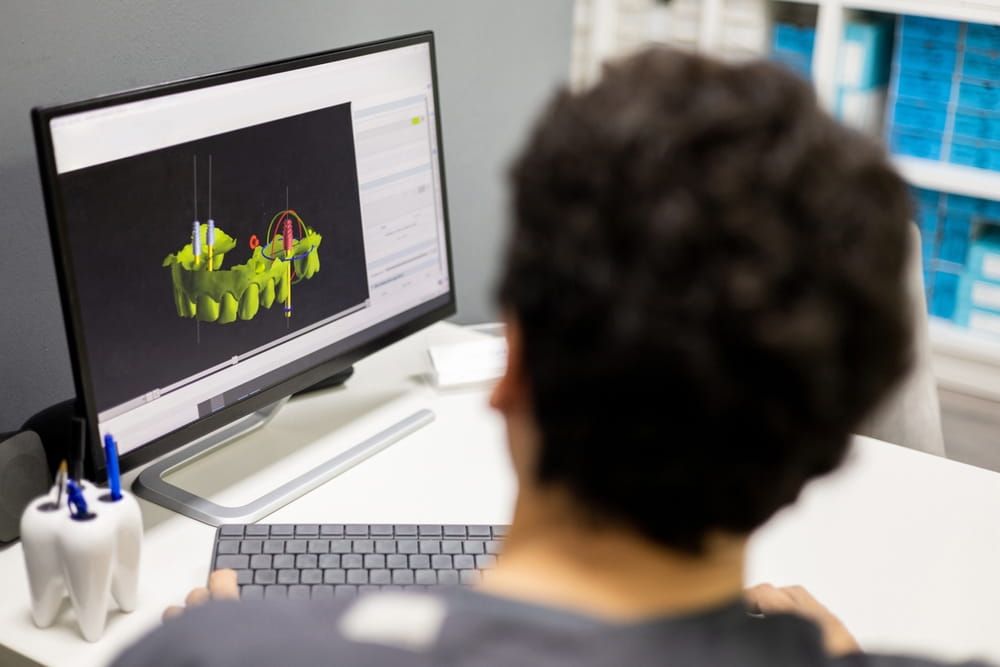
Digital planning tools allow clinicians to visualize the final prosthesis and determine ideal implant placement before surgery. By aligning surgical decisions with restorative goals, clinicians can reduce the need for compromises later in the workflow. This approach is especially important for cases involving implant restorations, where precise alignment between components is critical.
Prosthetic-driven planning also supports better communication between providers. When all parties can visualize the intended outcome, it becomes easier to coordinate treatment steps and avoid misunderstandings.
Establishing Clear Communication Protocols
Consistent communication protocols are essential for maintaining alignment throughout implant workflows. Standardized processes for sharing records, prescriptions, and treatment plans help ensure that all providers have access to the same information.
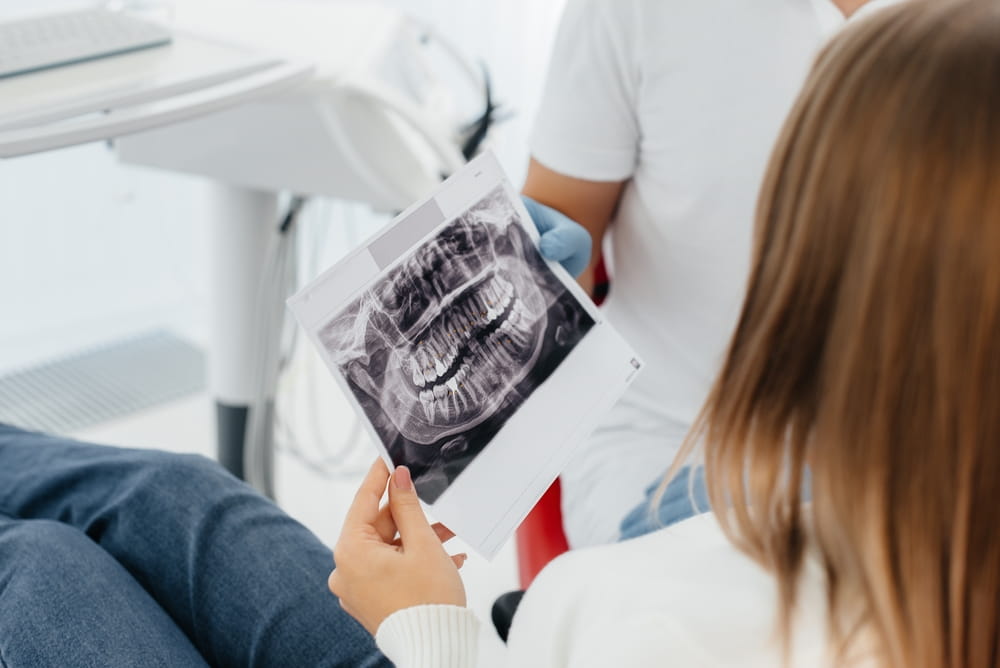
Digital records play a central role in this process. Intraoral scans, CBCT data, photographs, and bite registrations provide detailed insights into the patient’s anatomy and occlusion. Sharing these records electronically allows for faster collaboration and reduces the risk of lost or incomplete information.
Clear documentation of treatment goals, implant positions, and restorative requirements helps guide both surgical and laboratory workflows. Providing detailed instructions at each stage minimizes the need for clarification and supports more efficient case progression.
Coordinating Surgical Placement With Restorative Needs
Implant placement must be carefully coordinated with restorative requirements to ensure optimal outcomes. Factors such as angulation, depth, and spacing all influence how the final restoration will fit and function.
When implants are placed without considering restorative design, complications such as unfavorable screw access, inadequate emergence profiles, or limited prosthetic space may arise. These issues can increase treatment complexity and require additional adjustments.
Surgical guides created through digital planning help address these challenges by translating restorative plans into precise implant placement. These guides provide a visual and physical reference during surgery, supporting accurate positioning and alignment.
Managing the Provisional Phase Effectively
The provisional phase is a critical opportunity to evaluate and refine restorative outcomes before final fabrication. Temporary restorations allow clinicians to assess occlusion, esthetics, phonetics, and patient comfort in real-world conditions.
Feedback from the provisional phase should be clearly documented and communicated to the laboratory. Adjustments made during this stage provide valuable insights that can be incorporated into the final restoration.
Provisional restorations also help patients adapt to changes in occlusion and function. Monitoring patient response during this phase allows clinicians to identify potential issues early and make necessary refinements.
Leveraging Digital Tools for Coordination
Digital dentistry has significantly improved the ability to coordinate surgical and restorative workflows. Advanced software platforms allow clinicians to plan cases collaboratively, share data in real time, and visualize treatment outcomes before fabrication begins.
Digital workflows also support more accurate communication with the laboratory. Design files, occlusal schemes, and restorative parameters can be reviewed and adjusted before production, reducing the likelihood of errors or remakes.
Integration with other digital solutions, such as fixed restorations, allows for comprehensive treatment planning across multiple disciplines. This ensures that all restorative components work together harmoniously.
Reducing Complications Through Early Alignment
Many complications in implant dentistry can be traced back to misalignment between the surgical and restorative phases. Issues such as poor implant positioning, inadequate prosthetic space, or occlusal discrepancies often arise when communication breaks down early in the process.
By aligning treatment goals from the outset, dental teams can prevent these challenges. Early collaboration between providers allows potential issues to be identified and addressed before they impact the final outcome.
Regular case reviews and checkpoints throughout treatment help maintain alignment. These touchpoints provide opportunities to confirm that each phase of care is progressing as planned.
Improving Efficiency and Workflow Predictability
Streamlined coordination not only improves clinical outcomes but also enhances workflow efficiency. When communication is clear and consistent, cases move more smoothly through each stage of treatment.
Reduced delays, fewer remakes, and minimized chairside adjustments contribute to a more efficient practice environment. This efficiency benefits both clinicians and patients by improving scheduling predictability and reducing treatment time.
Digital tools further support efficiency by enabling faster data transfer and real-time collaboration. These capabilities help practices manage complex cases more effectively and maintain consistent quality.
Building Strong Interdisciplinary Collaboration
Successful implant workflows rely on strong collaboration between all members of the treatment team. Building relationships between surgeons, restorative dentists, and laboratory technicians fosters better communication and shared understanding.
Regular communication, case discussions, and feedback loops help strengthen these partnerships. When providers work together consistently, they develop a better understanding of each other’s preferences and workflows, leading to improved outcomes over time.
Laboratories play a key role in this collaboration by translating clinical intent into precise restorative design. Their involvement throughout the process helps ensure that all components align with the overall treatment plan.
Supporting Predictable Implant Outcomes Through Coordination
Simplifying surgical–restorative coordination is essential for achieving predictable implant outcomes. By focusing on prosthetic-driven planning, clear communication, and digital integration, dental teams can reduce complications and improve efficiency.
Panam Dental Lab, serving Savannah, GA, Houston, TX, and Sandy, UT, recognizes the importance of coordinated workflows in supporting implant restorations that deliver reliable function, accurate fit, and long-term success. Each phase of treatment allows clinicians to approach implant cases with greater confidence and precision.
Sources
Joda T, Ferrari M, Gallucci GO (2017). Digital technology in fixed implant prosthodontics. Periodontology 2000.
Malo P, Rangert B, Nobre M (2003). All-on-4 immediate-function concept with brånemark system implants. Clinical Implant Dentistry and Related Research.
Gallucci GO, Morton D, Weber HP (2009). Loading protocols for dental implants in edentulous patients. International Journal of Oral & Maxillofacial Implants.