Understanding the Importance of Communication in Full-Arch Cases
Full-arch implant restorations are among the most complex procedures in restorative dentistry, requiring coordination across surgical, restorative, and laboratory phases. Each step builds upon the previous one, making clear and consistent communication essential for achieving predictable outcomes. Miscommunication at any stage can lead to delays, remakes, or compromised results. Strong communication protocols help streamline workflows and improve overall case success.
Unlike single-unit restorations, full-arch cases involve multiple components, timelines, and decision points. Surgical placement, provisionalization, and final prosthetic design must all align with the intended treatment outcome. For dental teams working with Panam Dental Lab across Savannah, Houston, and Sandy, establishing clear communication channels from the beginning allows clinicians and technicians to work collaboratively and anticipate potential challenges before they arise.
Establishing Clear Case Goals From the Start
Effective communication begins with clearly defined treatment objectives. Before any surgical or restorative steps take place, clinicians should outline the desired functional and esthetic outcomes for the case. This includes considerations such as occlusal scheme, vertical dimension, prosthetic design, and patient expectations.
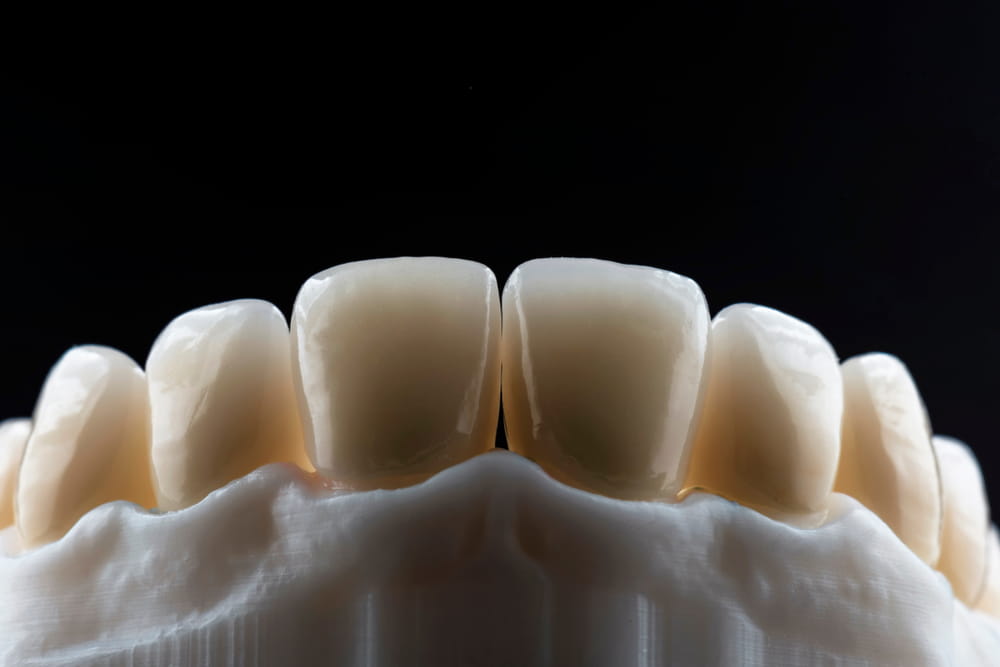
Providing a comprehensive prescription helps the laboratory understand the overall direction of the case. Details such as arch form, tooth selection, and restorative materials guide technicians in designing prosthetics that align with clinical intent. When expectations are clearly communicated early, the risk of misalignment later in the workflow is significantly reduced.
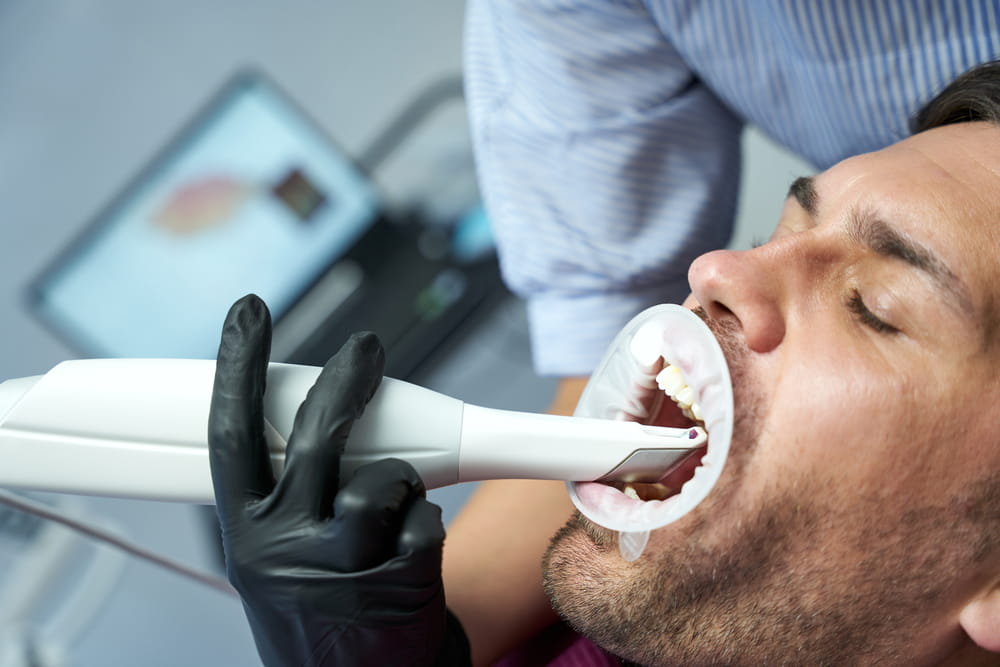
Digital records also play an important role in this stage. Intraoral scans, photographs, and bite registrations provide visual references that support clearer communication. These records allow technicians to better understand anatomical conditions and plan accordingly.
Communication Between Surgical and Restorative Phases
One of the most critical communication points in full-arch implant cases occurs between the surgical and restorative phases. Implant placement must align with the planned prosthetic outcome, making collaboration between the surgical and restorative teams essential.
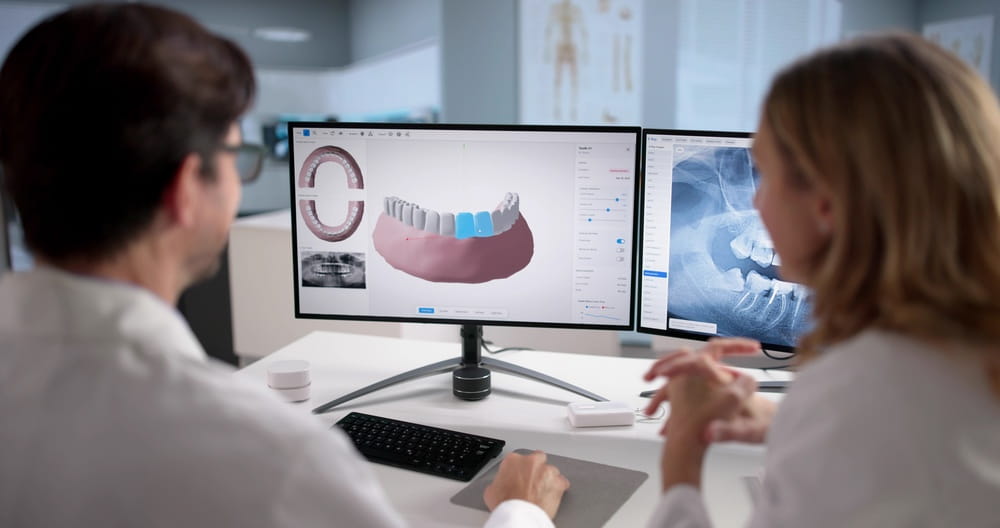
Prosthetic-driven planning helps ensure that implants are positioned to support the final restoration. Sharing digital treatment plans, surgical guides, and restorative designs allows all parties to visualize the intended outcome before surgery. This coordination reduces the need for corrective adjustments later in the process.
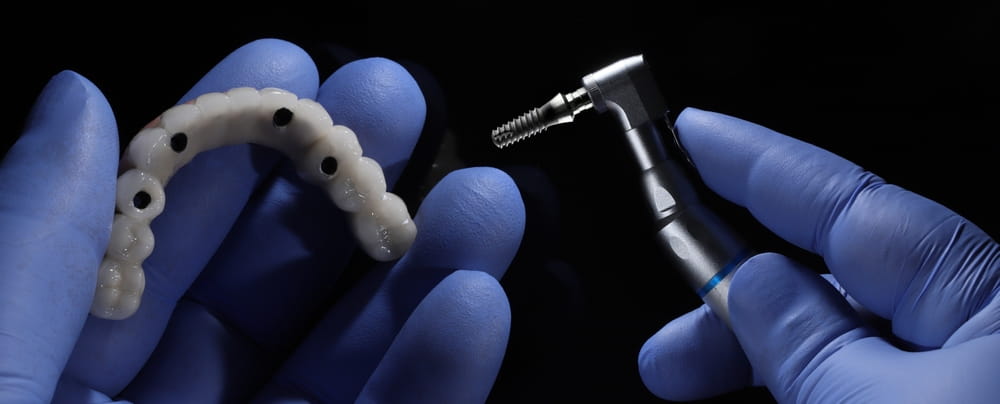
Accurate documentation of implant position, angulation, and depth is also essential. This information allows the laboratory to design prosthetic components that fit precisely and function as intended. Cases involving implant restorations benefit significantly from this level of detailed communication, as even small discrepancies can affect overall fit and alignment.
Managing Provisional Restorations and Feedback
Provisional restorations serve as an important communication tool in full-arch implant workflows. These temporary prosthetics allow clinicians to evaluate function, esthetics, phonetics, and patient comfort before final restorations are fabricated.
Feedback gathered during the provisional phase should be communicated clearly to the laboratory. Adjustments to occlusion, tooth position, or contour can be incorporated into the final design when documented effectively. Without this feedback, opportunities for refinement may be missed, increasing the likelihood of additional adjustments later.
Photographs, notes, and digital scans of the provisional restoration provide valuable information for technicians. These records help translate clinical observations into design modifications, ensuring that the final prosthesis reflects real-world performance rather than theoretical planning alone.
Standardizing Data Submission and Case Documentation
Consistency in data submission is a key factor in preventing delays and errors. Standardized protocols for submitting scans, bite records, and prescriptions help ensure that all necessary information is included with each case. Incomplete or unclear submissions often lead to back-and-forth communication, which can extend turnaround times.
Digital workflows support more efficient data transfer by allowing clinicians to submit records electronically. This reduces the risk of lost or damaged information and allows laboratories to begin case evaluation immediately. Clear labeling and organization of digital files further enhance efficiency.
Providing detailed documentation also helps laboratories identify potential issues early. When technicians have access to complete information, they can address discrepancies before fabrication begins, reducing the likelihood of remakes.
Ongoing Communication During Fabrication
Communication should not stop once a case has been submitted. Ongoing collaboration during the fabrication process allows clinicians and technicians to address questions, clarify design details, and make adjustments as needed.
Laboratories may identify considerations related to material selection, occlusion, or prosthetic design that require clinical input. Prompt responses from the dental team help keep the case moving forward without unnecessary delays. This collaborative approach ensures that decisions are made with both clinical and technical perspectives in mind.
Digital tools make this communication more efficient by enabling real-time sharing of design previews and updates. Clinicians can review proposed designs and provide feedback before fabrication is completed, reducing the need for post-delivery adjustments.
Final Delivery and Post-Delivery Communication
The final delivery phase is another important communication checkpoint. Ensuring that the restoration seats properly, functions as intended, and meets esthetic expectations requires careful evaluation. Any adjustments made at delivery should be documented and shared with the laboratory.
Post-delivery communication helps support long-term success. If issues arise after placement, providing feedback to the laboratory allows for continuous improvement in future cases. This ongoing exchange of information strengthens the partnership between the clinic and laboratory.
Clear communication also supports maintenance and future treatment planning. Full-arch restorations may require adjustments or replacements over time, and having detailed records of the original case helps ensure continuity.
Preventing Delays Through Structured Communication Workflows
Delays in full-arch implant cases often stem from incomplete information, unclear expectations, or gaps in communication. Establishing structured workflows helps minimize these issues by ensuring that each stage of the case is supported by clear documentation and collaboration.
Checklists, standardized forms, and digital submission protocols can help streamline communication and reduce variability. By following consistent processes, dental teams and laboratories can work more efficiently and avoid common pitfalls.
Structured communication also supports scalability. As practices take on more complex cases, having reliable workflows in place helps maintain consistency and quality across all treatments.
Supporting Predictable Outcomes Through Collaboration
Full-arch implant restorations require a high level of coordination between clinicians and laboratories. Strong communication practices help ensure that each phase of the workflow aligns with the overall treatment plan, reducing the risk of complications and improving efficiency.
By establishing clear expectations, standardizing data submission, and maintaining ongoing collaboration, dental teams can enhance the predictability of full-arch implant cases. Panam Dental Lab, serving Savannah, Houston, and Sandy, recognizes the importance of effective communication in supporting restorative workflows that deliver consistent, high-quality outcomes for complex implant treatments.
Sources
Malo P, Rangert B, Nobre M (2003). All-on-4 immediate-function concept with brånemark system implants. Clinical Implant Dentistry and Related Research.
Gallucci GO, Morton D, Weber HP (2009). Loading protocols for dental implants in edentulous patients. International Journal of Oral & Maxillofacial Implants.
Joda T, Ferrari M, Gallucci GO (2017). Digital technology in fixed implant prosthodontics. Periodontology 2000.