Posterior crowns are subjected to some of the highest functional demands in the oral environment. Molars and premolars experience significant occlusal forces during chewing and parafunctional activity, making material selection a critical factor in long-term restorative success. While esthetics remain important, strength, fracture resistance, and durability often take priority in posterior regions. For dental teams working with Panam Dental Lab across Savannah, Houston, and Sandy, understanding how different materials perform in posterior applications supports more predictable restorative outcomes.
Material selection for posterior crowns involves balancing mechanical properties with clinical considerations such as preparation design, occlusal clearance, and patient-specific factors. Advances in restorative materials have expanded available options, allowing clinicians to tailor material choice to the functional and esthetic needs of each case.
Key Factors Influencing Material Selection
Several factors influence which material is most appropriate for a posterior crown. Occlusal load is one of the most significant considerations. Patients with heavy occlusion, bruxism, or clenching habits place additional stress on restorations, increasing the importance of fracture resistance and flexural strength.
Tooth location also plays a role. Second molars, for example, often experience higher forces than premolars and may benefit from materials with higher strength profiles. Available restorative space and preparation geometry further influence material choice, as some materials require more reduction to achieve optimal thickness.
Patient expectations and oral conditions must also be considered. While posterior teeth are less visible, esthetic demands may still be relevant, particularly for premolars or patients with high smile lines. Additionally, factors such as opposing dentition, existing restorations, and long-term maintenance influence material performance.
Zirconia Crowns in Posterior Applications
Zirconia has become one of the most commonly used materials for posterior crowns due to its exceptional strength and fracture resistance. High-strength zirconia is well-suited for areas exposed to heavy occlusal forces and is often selected for patients with parafunctional habits.
Advancements in zirconia formulations have improved translucency compared to earlier generations, making zirconia a more versatile option that balances strength with acceptable esthetics. Monolithic zirconia crowns reduce the risk of chipping associated with layered ceramics, contributing to long-term durability.
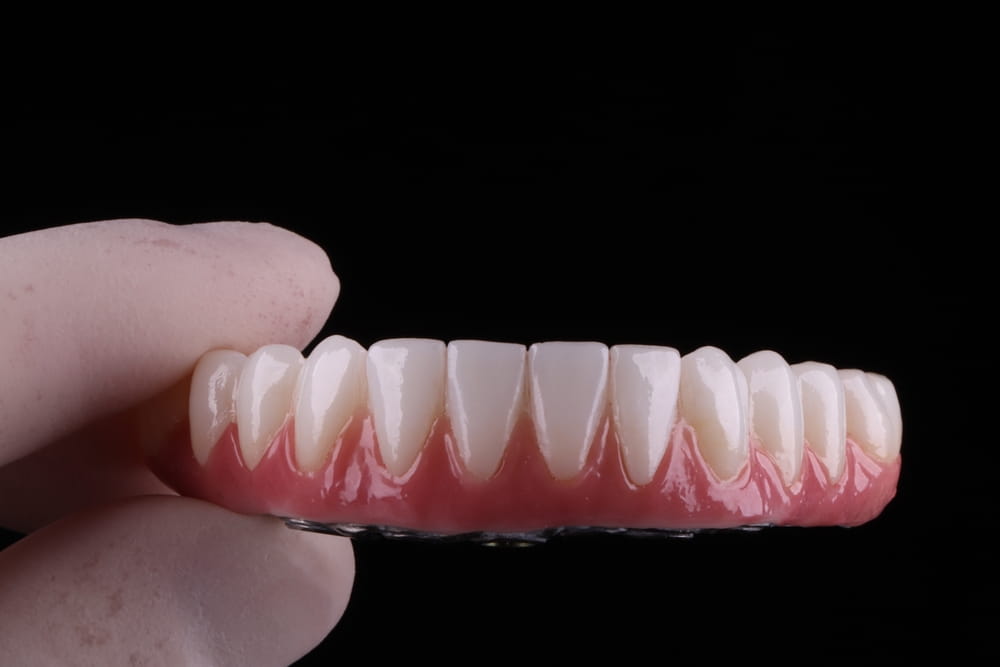
Zirconia is frequently used within fixed restoration workflows where mechanical reliability is a primary concern. Its ability to be milled precisely also supports accurate fit and predictable occlusal relationships, reducing the need for chairside adjustments.
Lithium Disilicate (e.max) for Posterior Crowns
Lithium disilicate, commonly known as e.max, offers a combination of strength and esthetics that makes it a popular choice for certain posterior restorations. While not as strong as zirconia, lithium disilicate provides sufficient flexural strength for many premolar and first molar applications when case selection is appropriate.
One of the primary advantages of lithium disilicate is its esthetic quality. Its translucency and ability to mimic natural tooth structure make it suitable for patients with higher esthetic expectations in posterior regions. This can be particularly relevant for premolars that are visible during speech or smiling.
Preparation design is an important consideration when selecting lithium disilicate. Adequate reduction is necessary to support material strength, and bonding protocols play a key role in overall performance. When used appropriately, lithium disilicate can offer reliable outcomes with excellent esthetic integration.
Hybrid and Alternative Materials
Hybrid materials and newer ceramic-resin composites have been introduced as alternatives for posterior crowns, offering a balance between strength and shock absorption. These materials may exhibit more forgiving behavior under occlusal stress, potentially reducing wear on opposing dentition.
Hybrid options can be beneficial in cases where minimal tooth reduction is desired or when opposing restorations are a concern. Their elastic properties may help distribute forces more evenly, although long-term data on wear resistance and durability continues to evolve.
While hybrid materials may not replace zirconia or lithium disilicate in all situations, they provide additional flexibility in material selection. Careful case evaluation helps determine when these materials are appropriate for posterior use.
Occlusal Considerations and Longevity
Occlusal design plays a significant role in the longevity of posterior crowns, regardless of material choice. Even the strongest materials can fail if occlusal forces are not properly managed. Balanced contacts, appropriate cusp anatomy, and avoidance of interferences help reduce stress on restorations.
Digital design tools allow for precise occlusal planning during the fabrication process. Evaluating contacts virtually before milling supports more accurate delivery and reduces the need for extensive chairside adjustments. This precision is particularly valuable in posterior regions where access and visibility are limited.
Material selection should also consider long-term wear patterns. Some materials may be more abrasive to opposing teeth, while others may exhibit wear themselves over time. Understanding these interactions helps support restorations that maintain function and comfort.
Matching Material Choice to Clinical Scenarios
No single material is ideal for every posterior crown case. Zirconia may be preferred for patients with heavy occlusion or limited restorative space, while lithium disilicate may be selected when esthetics are a priority and forces are moderate. Hybrid materials can offer alternatives in select situations where flexibility or minimal reduction is desired.
Clinical judgment plays a key role in material selection. Evaluating patient history, functional habits, and restorative goals supports informed decision-making. Collaboration with the laboratory further enhances this process, allowing material choice to align with fabrication capabilities and design considerations.
Supporting Predictable Outcomes Through Informed Material Selection
Material selection is a foundational component of successful posterior crown restorations. Understanding the strengths and limitations of zirconia, lithium disilicate, and hybrid materials allows clinicians to match restorative solutions to functional demands and patient needs.
By considering occlusal forces, esthetic expectations, and preparation design, dental teams can improve the longevity and performance of posterior crowns. Panam Dental Lab, serving Savannah, Houston, and Sandy, focuses on the importance of informed material selection in supporting durable, predictable outcomes within fixed restorative workflows.
Sources
Kelly JR, Benetti P (2011). Ceramic materials in dentistry: Historical evolution and current practice. Australian Dental Journal.
Denry I, Kelly JR (2014). State of the art of zirconia for dental applications. Dental Materials.
Guess PC, Schultheis S, Bonfante EA, Coelho PG, Ferencz JL, Silva NR (2014). All-ceramic systems: Laboratory and clinical performance. Dental Clinics of North America.