Shade accuracy plays a central role in the esthetic success of restorative dentistry. Even when restorations fit precisely and function well, discrepancies in color, translucency, or value can lead to patient dissatisfaction and remakes. As aesthetic expectations continue to rise, achieving consistent shade matching has become increasingly challenging using traditional visual methods alone. For dental teams working with Panam Dental Lab across Savannah, Houston, and Sandy, understanding how digital tools support shade accuracy can help improve predictability and efficiency in restorative workflows.
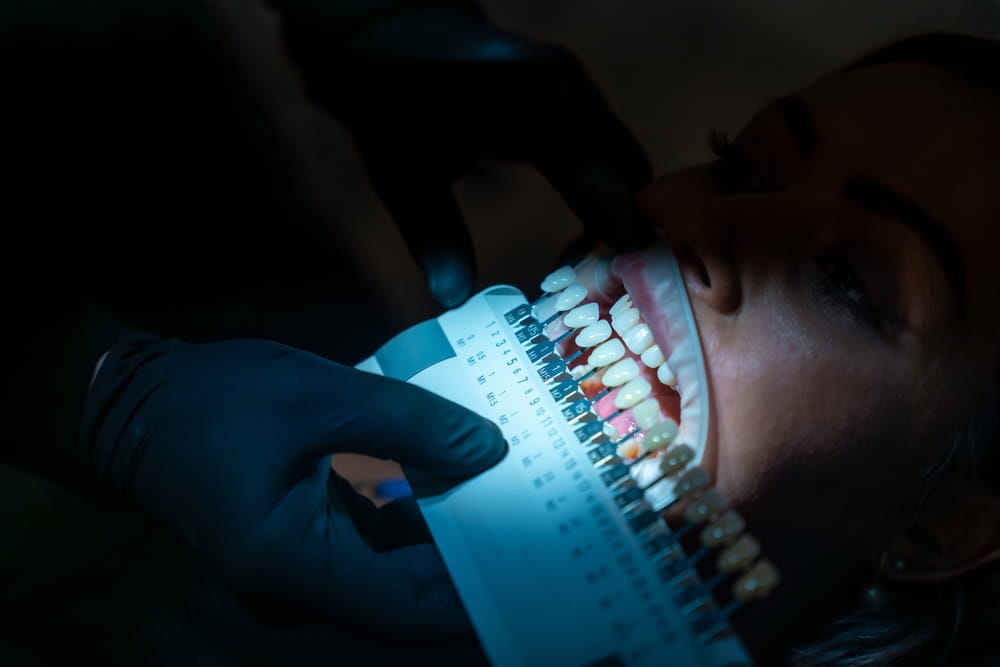
Conventional shade selection relies heavily on visual comparison using shade guides, which can be influenced by lighting conditions, operator perception, and surrounding colors. Fatigue, time constraints, and subtle variations in tooth structure further complicate this process. Digital shade tools aim to reduce subjectivity by providing objective data that supports more consistent communication between the clinic and the laboratory.
Limitations of Traditional Shade Selection Methods
Visual shade matching has long been a standard approach in restorative dentistry, but it presents inherent limitations. Human color perception varies between individuals and can be affected by environmental factors such as operatory lighting, wall colors, and even clothing. These variables increase the likelihood of shade discrepancies, particularly in anterior or highly esthetic cases.
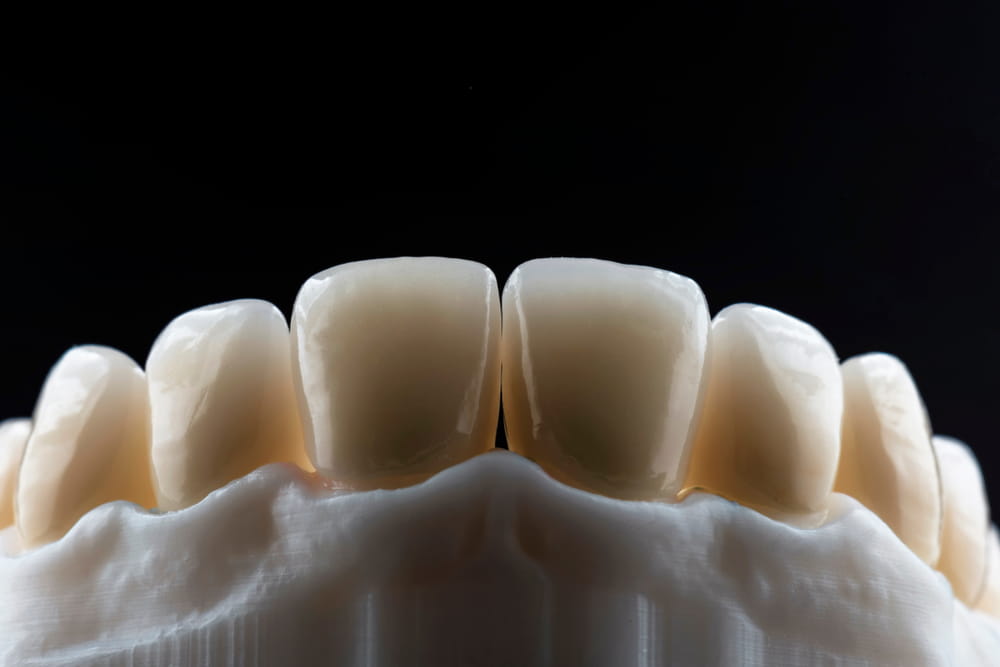
Traditional shade guides also represent a limited range of colors compared to the natural variation found in dentition. Teeth often exhibit gradients of color, translucency, and characterization that are difficult to capture with a single shade tab. As a result, restorations fabricated based solely on visual shade selection may appear mismatched once placed intraorally.
Communication challenges further contribute to inaccuracies. Descriptive terms such as “slightly warmer” or “more translucent” are subjective and may be interpreted differently by clinicians and technicians. Without objective data, achieving consistent esthetic outcomes can be difficult, especially when multiple providers are involved.
How Digital Shade Tools Enhance Accuracy
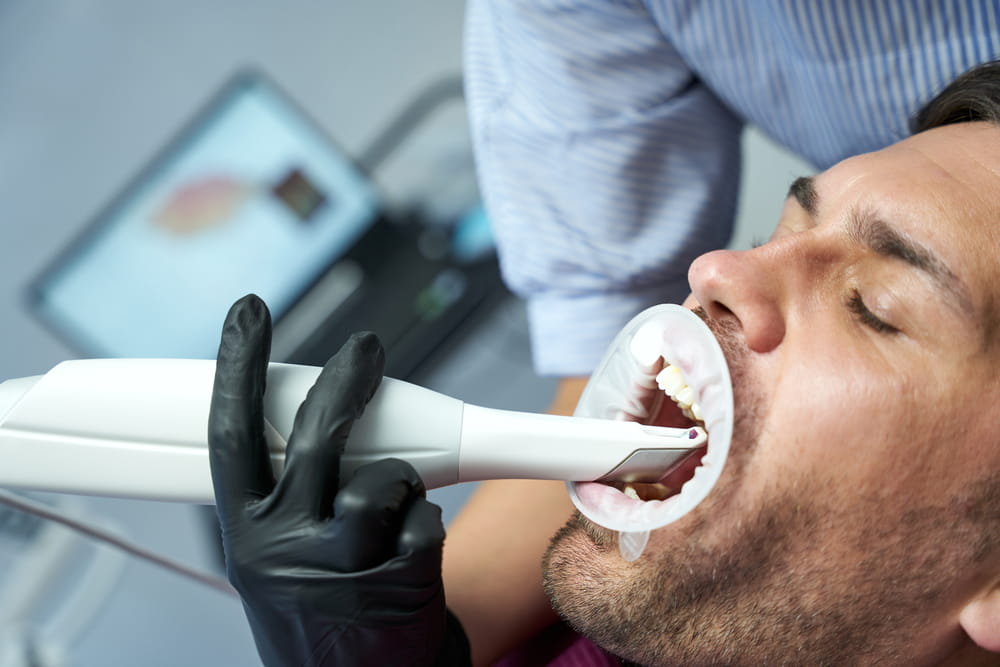
Digital shade tools are designed to provide objective measurements of tooth color, reducing reliance on visual interpretation. These devices analyze color parameters such as hue, chroma, and value using standardized light sources and sensors. By capturing precise data, digital shade systems help minimize variability caused by environmental conditions or individual perception.
One of the key advantages of digital shade tools is repeatability. Because measurements are based on consistent protocols, shade data can be reliably reproduced across appointments or even between different practices. This consistency supports predictable restorative outcomes, particularly for cases requiring multiple restorations or future replacements.
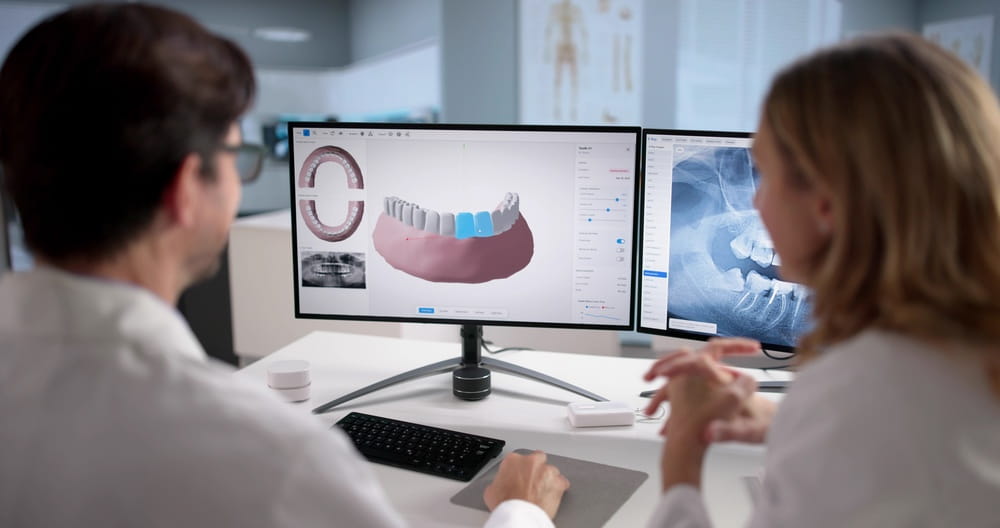
Digital shade data also improves communication with the laboratory. Objective color readings can be transmitted alongside impressions and prescriptions, allowing technicians to design restorations with greater confidence. This is especially valuable for esthetic-focused treatments such as fixed restorations, where subtle color differences are more noticeable.
Integration of Digital Shade Systems Into Clinical Workflows
Incorporating digital shade tools into everyday workflows requires thoughtful integration. Proper calibration and adherence to manufacturer protocols are essential to ensure accurate readings. Teeth should be clean, hydrated, and free of debris before measurement to avoid skewed results.
Digital shade selection is often most effective when combined with visual assessment rather than used in isolation. Visual confirmation allows clinicians to evaluate surface texture, translucency, and characterization that may not be fully captured by numerical data alone. This blended approach supports a more comprehensive understanding of esthetic requirements.
Timing also matters. Shade selection is typically best performed before tooth preparation or immediately afterward, before dehydration alters enamel appearance. Digital tools help capture shade information quickly, reducing the risk of color shifts caused by prolonged isolation or air exposure.
Improving Esthetic Predictability for Complex Restorations
Esthetic predictability becomes increasingly important in complex restorative cases. Multi-unit restorations, anterior implants, and full-arch prosthetics require consistent shade matching across multiple units and materials. Small discrepancies can become more apparent when restorations are viewed collectively.
Digital shade tools support this consistency by providing a standardized reference point for all restorations within a case. This is particularly beneficial when coordinating esthetics across different prosthetic components, such as implant-supported crowns or bridges. Accurate shade data helps ensure that restorations fabricated through implant restorations blend seamlessly with adjacent dentition.
Digital shade systems also support long-term esthetic maintenance. When shade data is archived, future restorations can be matched more accurately to existing work, even years later. This continuity reduces the likelihood of mismatches when replacing or modifying restorations over time.
Supporting Laboratory Collaboration With Objective Shade Data
Clear communication between the clinic and laboratory is essential for esthetic success. Digital shade tools enhance this collaboration by providing objective data that complements traditional records such as photographs and impressions. When technicians receive precise shade measurements, they can focus on layering, translucency, and characterization with greater accuracy.
Photographic documentation remains an important adjunct to digital shade data. High-quality images captured under consistent lighting conditions help convey surface texture and individual tooth characteristics. When combined with digital measurements, these records provide a more complete esthetic profile.
This level of detail is especially helpful for digitally fabricated prosthetics such as digital dentures, where esthetic consistency across multiple teeth is critical. Objective shade data supports predictable outcomes while reducing the need for adjustments or remakes.
Reducing Remakes and Chairside Adjustments
One of the most practical benefits of digital shade tools is their potential to reduce remakes and chairside adjustments. Shade mismatches are a common cause of restoration rejection, even when fit and function are acceptable. By improving initial accuracy, digital systems help reduce the likelihood of these issues.
Fewer remakes translate to improved efficiency for both the clinic and the laboratory. Reduced chairside adjustments save time and improve scheduling predictability, while fewer refabrications support smoother laboratory workflows. Over time, these efficiencies contribute to better patient experiences and stronger professional relationships.
Patients also benefit from improved confidence in esthetic outcomes. Knowing that advanced digital tools are used to support shade accuracy can enhance trust and satisfaction, particularly for highly visible restorations.
Training and Consistency in Digital Shade Use
Like any digital tool, shade systems require training and consistency to be effective. Team members should understand how to properly position the device, interpret readings, and integrate data into case documentation. Regular use helps establish familiarity and reduces the risk of operator-related variability.
Consistency in lighting conditions and measurement protocols further supports reliable results. Even with digital tools, standardization remains important to ensure that shade data is accurate and reproducible. Establishing clear internal guidelines helps teams maximize the benefits of digital shade technology.
Ongoing evaluation of outcomes also supports continuous improvement. Reviewing cases where shade matching was particularly successful or challenging allows teams to refine their approach and optimize tool usage.
Advancing Aesthetic Outcomes With Digital Shade Technology
Digital shade tools represent an important advancement in esthetic dentistry, offering greater objectivity and consistency in shade selection. By reducing subjectivity and improving communication, these systems support more predictable restorative outcomes and fewer esthetic complications.
Understanding how to effectively integrate digital shade tools into clinical workflows empowers dental teams to meet rising esthetic expectations with confidence. Panam Dental Lab, serving Savannah, Houston, and Sandy, recognizes the value of digital shade accuracy in supporting restorations that blend seamlessly, perform reliably, and meet patient expectations for natural-looking results.
Sources
Paravina RD, Powers JM (2018). Esthetic color training and shade matching in dentistry. Journal of Esthetic and Restorative Dentistry.
Joiner A (2004). Tooth colour: A review of the literature. Journal of Dentistry.
Kim-Pusateri S, Brewer JD, Davis EL, Wee AG (2009). Reliability and accuracy of four dental shade-matching devices. Journal of Prosthetic Dentistry.