
Understanding Airway-Focused Care in Dentistry
Airway health has become an increasingly important consideration in comprehensive dental treatment planning. Conditions that affect breathing during sleep can influence overall wellness, daily energy levels, and long-term health outcomes. Dentistry plays a supportive role in airway-focused care by addressing oral structures that may contribute to restricted airflow. For dental teams working with Panam Dental Lab across Savannah, Houston, and Sandy, understanding how sleep and orthodontic appliances fit into airway care supports more informed clinical decision-making and interdisciplinary collaboration.
Airway-focused dentistry does not aim to replace medical diagnosis or treatment. Instead, it emphasizes recognizing oral and craniofacial factors that may influence breathing and supporting patients through appliance-based strategies when appropriate. Sleep appliances and orthodontic appliances are two categories commonly associated with airway support, each contributing in different ways depending on patient needs and treatment goals.
The Relationship Between Oral Structures and Airway Function
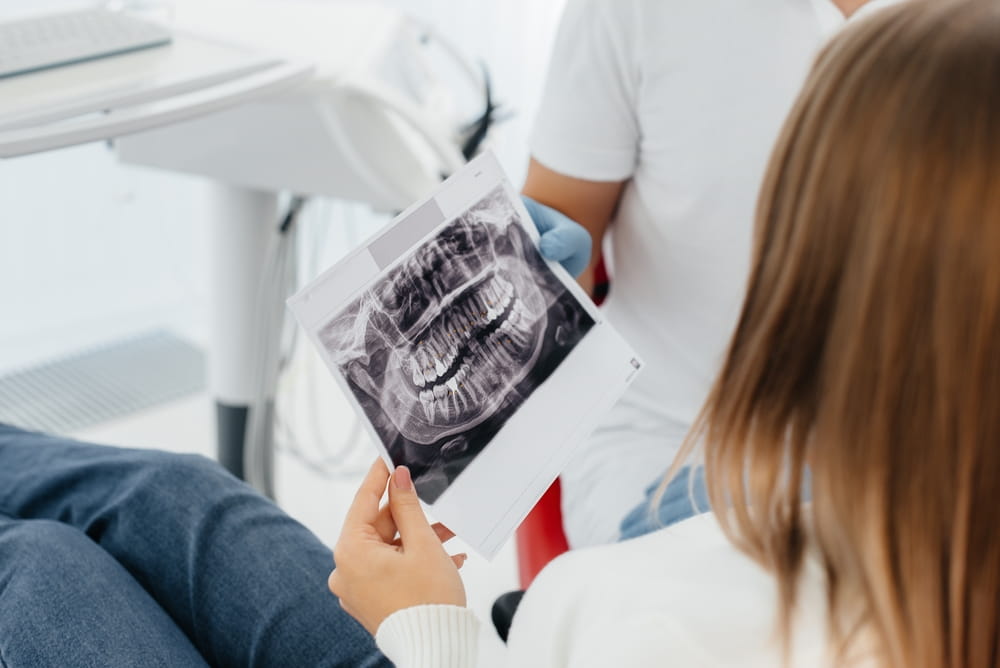
The size, position, and relationship of oral and facial structures can influence airway patency, particularly during sleep. Jaw position, tongue posture, dental arch width, and occlusal relationships all play roles in how airflow moves through the upper airway. When these structures limit space, airflow resistance can increase, potentially contributing to disrupted breathing patterns during sleep.
Sleep-related breathing concerns are often associated with the collapse or narrowing of the airway when muscles relax. In some individuals, the lower jaw and tongue may shift posteriorly, reducing airway space. Dental appliances designed to reposition the jaw or stabilize oral structures can help support airway openness during sleep by addressing these positional factors.
Orthodontic considerations also influence airway dynamics. Narrow arches, crowding, or malocclusions can affect tongue space and oral posture. While orthodontic treatment is primarily focused on alignment and function, it may also contribute to improved oral volume and structural balance that supports healthier breathing patterns.
Sleep Appliances and Their Role in Airway Support
Sleep appliances are oral devices designed to be worn during sleep to support airway patency. These appliances typically work by repositioning the lower jaw or stabilizing the tongue to reduce airway obstruction. By maintaining a more forward mandibular position, sleep appliances can help reduce airway collapse in certain patients.
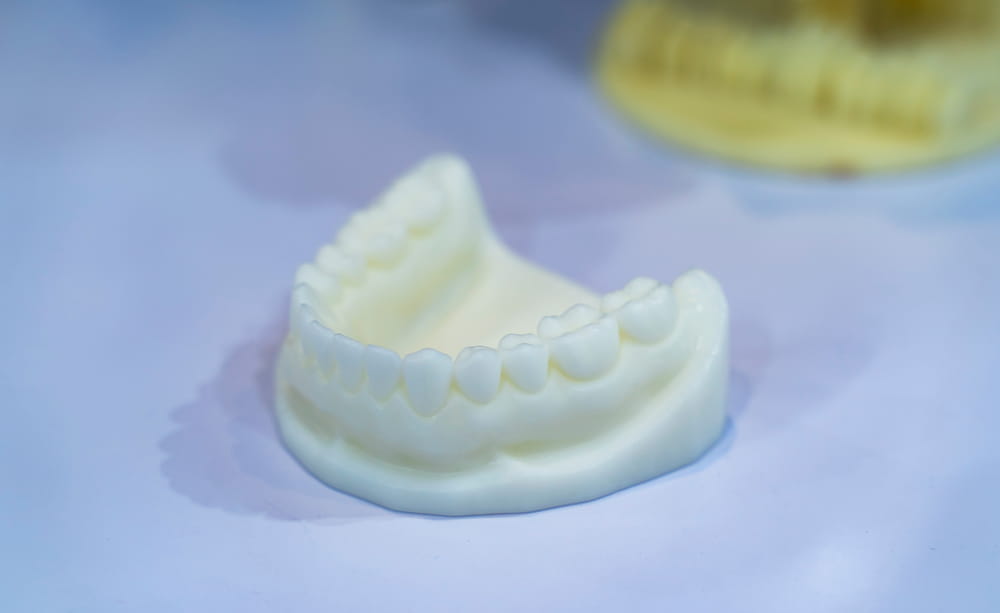
The design and fit of sleep appliances are critical to their effectiveness and comfort. Custom fabrication ensures that appliances align properly with the patient’s dentition and jaw relationship, supporting both function and tolerance. Appliances that are poorly fitted may lead to discomfort, compliance challenges, or unintended occlusal changes over time.
Solutions such as sleep and orthodontic appliances are developed with these considerations in mind, focusing on precision, comfort, and adaptability. Proper collaboration between the dental team and the laboratory supports appliances that integrate seamlessly into the patient’s nightly routine while maintaining oral health.
Orthodontic Appliances and Airway Considerations
Orthodontic appliances are traditionally associated with tooth movement and occlusal correction, but they can also play a supportive role in airway-focused care. By addressing crowding, arch constriction, or unfavorable bite relationships, orthodontic treatment may influence tongue position and oral volume.
Expanding dental arches or improving alignment can create additional space within the oral cavity. This increased space may support a more favorable tongue posture, which is an important factor in airway health. While orthodontic treatment alone is not a treatment for airway disorders, it can be part of a broader, interdisciplinary approach to supporting functional oral anatomy.
Clear aligner therapy offers a more discreet orthodontic option for many patients. In certain cases, alignment improvements achieved through clear aligner systems can support functional outcomes alongside esthetic goals. Treatment planning that considers both alignment and airway-related factors allows for a more holistic approach to oral health.
Appliance Design and Patient Comfort
Patient comfort is essential for the success of both sleep and orthodontic appliances. Appliances that interfere with speech, cause excessive pressure, or disrupt normal oral function may lead to poor compliance. Thoughtful design and precise fabrication help ensure that appliances are well tolerated and easily integrated into daily or nightly use.
Material selection plays a role in comfort and durability. Smooth surfaces, appropriate flexibility, and accurate fit reduce irritation and enhance wearability. For sleep appliances in particular, comfort influences whether patients consistently use the device, which is a key factor in its overall effectiveness.
Adjustability is another important consideration. Appliances that allow for incremental adjustments can accommodate changes in comfort, jaw position, or treatment goals over time. This flexibility supports long-term use while minimizing the need for frequent remakes.
Interdisciplinary Collaboration in Airway-Focused Care
Airway-focused care often involves collaboration among dental professionals, physicians, and other healthcare providers. Dentists may identify oral factors that influence airway health and support patients through appliance-based strategies, while medical providers diagnose and manage underlying sleep-related conditions.
Clear communication between clinicians and laboratories is essential in this collaborative environment. Detailed prescriptions, accurate records, and shared treatment objectives help ensure that appliances are fabricated to meet both functional and comfort requirements. This alignment reduces the likelihood of revisions and supports consistent outcomes.
Dental laboratories play an important role by translating clinical intent into precise appliance design. Understanding airway-related considerations allows labs to support appliance fabrication that aligns with broader treatment goals while maintaining oral health standards.
Long-Term Considerations and Oral Health Monitoring
The use of sleep and orthodontic appliances requires ongoing monitoring to support oral health. Changes in occlusion, tooth position, or jaw comfort should be evaluated periodically to ensure that appliances continue to function as intended. Regular follow-up helps identify potential issues early and supports timely adjustments.
Patient education is also important. Understanding how and when to wear appliances, how to maintain them, and what changes to report empowers patients to participate actively in their care. This engagement supports better long-term outcomes and reduces the likelihood of complications.
Appliance-based airway support should always be approached within the context of comprehensive oral care. Maintaining healthy teeth, gums, and supporting structures ensures that appliances remain compatible with overall dental health over time.
Supporting Airway Awareness Through Appliance-Based Solutions
Sleep and orthodontic appliances play a supportive role in airway-focused dental care by addressing oral structures that influence breathing and comfort. When thoughtfully planned and precisely fabricated, these appliances can integrate seamlessly into broader treatment strategies that prioritize function, comfort, and long-term oral health.
Understanding the role of appliance design, interdisciplinary collaboration, and patient adaptation allows dental teams to support airway awareness responsibly and effectively. Panam Dental Lab, serving Savannah, Houston, and Sandy, recognizes the importance of precision and communication in fabricating sleep and orthodontic appliances that align with airway-focused care goals and patient comfort.
Sources
Sutherland K, Vanderveken OM (2018). Oral appliance therapy for obstructive sleep apnea. Journal of Dental Sleep Medicine.
Schwab RJ (2015). Upper airway imaging in obstructive sleep apnea. Proceedings of the American Thoracic Society.
Cistulli PA, Gotsopoulos H (2004). Treatment of snoring and obstructive sleep apnea with mandibular advancement splints. Sleep.