Understanding the Importance of Dental Lab Quality Standards
Dental laboratory quality plays a critical role in restorative outcomes, influencing fit, function, esthetics, and long-term reliability. While clinical skill and treatment planning are essential, the laboratory’s standards ultimately determine how accurately those plans are executed. For dental teams collaborating with Panam Dental Lab across Savannah, Houston, and Sandy, understanding how to evaluate dental lab quality standards supports stronger partnerships and more predictable results.
Quality evaluation goes beyond turnaround times or pricing models. It involves examining how a laboratory approaches materials, technology, communication, and verification. Identifying these factors helps clinicians distinguish between labs that simply produce restorations and those that consistently support high-level restorative care across a wide range of cases.
Consistency and Accuracy Across Restorative Case Types
Consistency is one of the clearest indicators of dental lab quality. High-performing labs are able to deliver reliable results across different case complexities, whether fabricating single crowns, multi-unit bridges, or complex fixed restorations. Consistency reflects controlled workflows, experienced technicians, and standardized fabrication protocols that minimize variability.
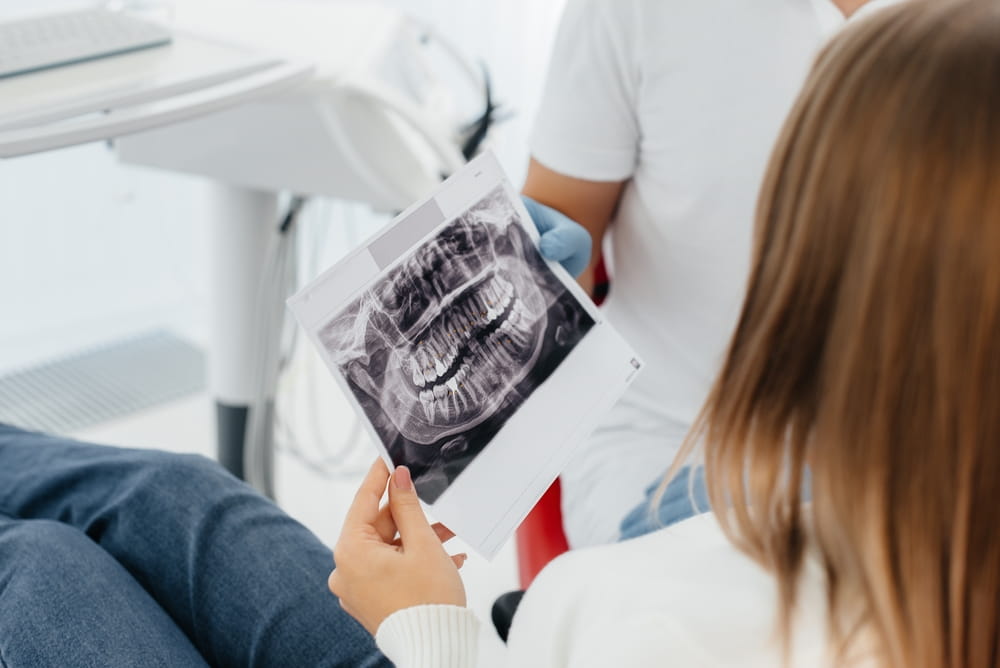
Accuracy begins at case intake. Quality-focused labs carefully evaluate impressions, digital scans, and prescriptions before fabrication begins. Identifying incomplete data, unclear margins, or occlusal discrepancies early helps prevent downstream issues that could compromise fit. This proactive approach reduces chairside adjustments and supports smoother clinical delivery.
Fabrication accuracy also depends on how workflows are monitored internally. Equipment calibration, design verification, and mid-process checks all contribute to ensuring that restorations align with the intended specifications. When these controls are consistently applied, restorations are more likely to seat predictably and perform as expected over time.
Materials and Technology as Indicators of Quality Standards
Material selection plays a major role in evaluating dental lab quality. Reputable laboratories use materials that are appropriate for each clinical indication and supported by research. The ability to select the right material for function, esthetics, and longevity reflects both technical knowledge and adherence to quality standards.
Technology integration is equally important. Many modern labs rely on digital workflows to enhance precision, particularly for implant-supported prosthetics and digitally fabricated solutions such as implant restorations. However, quality is determined not by the presence of technology, but by how well it is implemented, maintained, and supported by trained personnel.
Labs that invest in ongoing education and system updates are better positioned to maintain accuracy as technology evolves. Consistent outcomes across digitally and traditionally fabricated restorations indicate that workflows are well-controlled rather than dependent on isolated tools or individuals.
Communication, Documentation, and Collaboration
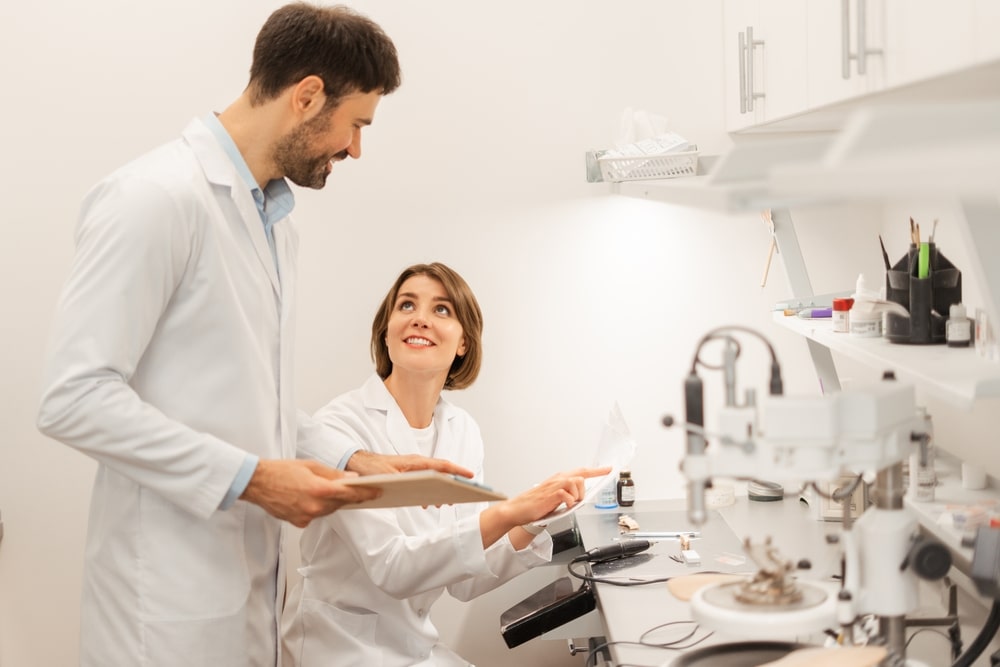
Strong communication is a defining feature of high-quality dental laboratories. Clear collaboration begins with thorough prescriptions and continues through design review, fabrication, and delivery. Labs that ask questions, provide feedback, and clarify expectations demonstrate a commitment to restorative success rather than transactional case processing.
Documentation also reflects quality standards. Labs that track materials, fabrication steps, and verification checkpoints provide transparency and traceability. This level of detail supports problem-solving when adjustments are needed and helps clinicians feel confident in the restorative process.
Educational collaboration is another important indicator. Labs that share insights about design considerations, material behavior, or workflow optimization help clinicians make informed decisions. This partnership-based approach supports continuous improvement and elevates outcomes across restorative disciplines.
Quality Control and Verification Protocols
Quality control processes are essential for maintaining consistency and accuracy. High-performing labs implement multiple verification steps before a restoration is delivered. These checks may include evaluating marginal integrity, interproximal contacts, occlusion, and overall esthetic balance.
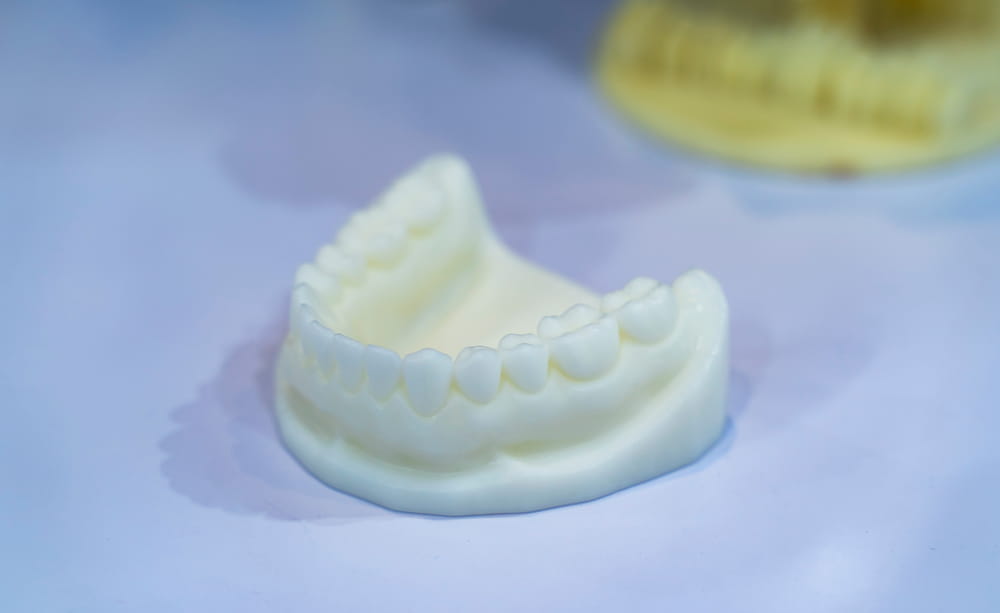
Verification protocols are particularly important for complex prosthetics such as digital dentures, where fit, phonetics, and vertical dimension must align precisely with clinical expectations. Addressing discrepancies during fabrication reduces the likelihood of remakes and minimizes chairside adjustments.
Consistent quality control reflects accountability. Labs that apply the same verification standards across all case types demonstrate reliability and a systematic approach to restorative excellence.
Evaluating Reliability and Long-Term Performance
Reliable turnaround times are another component of lab quality, but consistency is more important than speed. High-quality labs establish realistic timelines that align with their workflows and quality checks. Predictable delivery schedules allow practices to plan appointments confidently and reduce disruptions to patient care.
Long-term performance is often the clearest measure of lab quality. Restorations that maintain fit, function, and esthetics over time suggest that materials, design decisions, and fabrication protocols were appropriately aligned. Patterns of frequent fractures or adjustments may indicate underlying workflow or quality control issues.
Evaluating lab quality involves reviewing outcomes over time rather than focusing on individual cases. Consistent performance across diverse restorative scenarios reflects well-established standards and reliable execution.
Choosing Dental Lab Partnerships Built on Quality
Evaluating dental lab quality standards helps clinicians identify partners who prioritize accuracy, consistency, and collaboration. High-quality labs demonstrate structured workflows, effective communication, and ongoing investment in materials and technology. These factors support predictable restorative outcomes and efficient clinical workflows.
By understanding what defines dental lab quality, dental teams can make informed decisions that align with their restorative goals. Panam Dental Lab, serving Savannah, Houston, and Sandy, recognizes the value of quality-focused collaboration in supporting restorative dentistry that meets both clinical expectations and long-term performance standards.
Sources
Christensen GJ (2011). What makes a quality dental laboratory? Journal of the American Dental Association.
Goodacre CJ, Bernal G, Rungcharassaeng K, Kan JY (2003). Clinical complications in fixed prosthodontics. Journal of Prosthetic Dentistry.
Donovan TE, Cho GC (2004). Contemporary evaluation of dental laboratory procedures. Dental Clinics of North America.