Clear aligner therapy has become a valuable adjunct in modern restorative dentistry, offering clinicians a versatile tool for improving tooth position, managing occlusion, and enhancing the predictability of long-term restorative outcomes. For dentists in Savannah, GA; Houston, TX; and Sandy, UT, understanding how aligners integrate into treatment planning can help create more efficient workflows and elevate patient satisfaction. In this educational guide, Panam Dental Lab explores how strategic tooth movement supports restorative success and when clear aligners offer the greatest clinical benefit.
Why Alignment Matters in Restorative Dentistry
Restorative success depends not only on materials and technique but also on tooth position. Malalignment can compromise esthetics, complicate preparations, limit restorative thickness, and jeopardize occlusal stability. Clear aligners allow clinicians to correct these discrepancies before placing crowns, veneers, implants, or removable prosthetics, ultimately improving treatment outcomes.
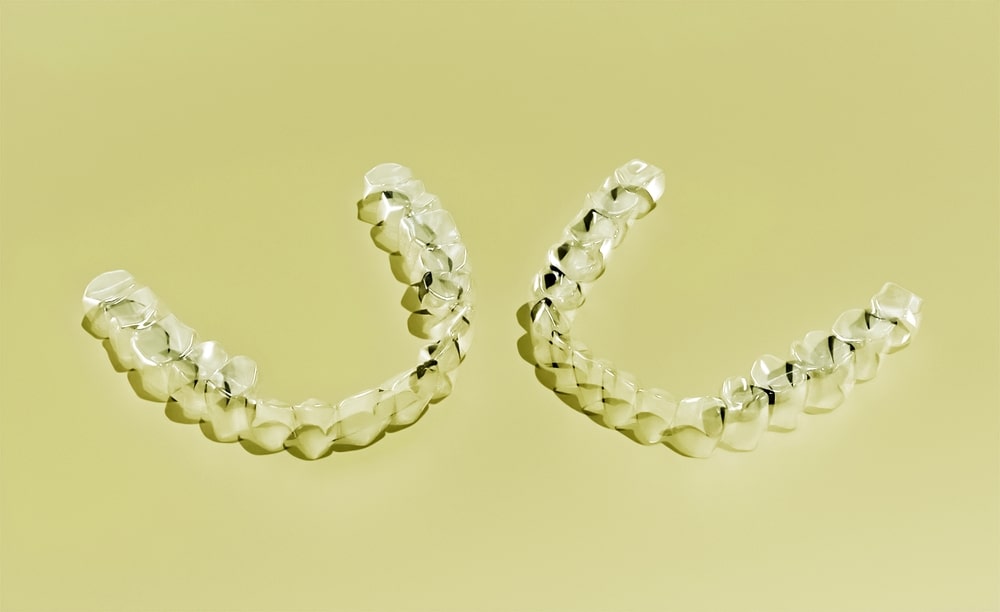
Proper alignment helps distribute occlusal forces evenly, reduces interferences, and allows restorations to function predictably. For clinicians exploring aligner options, educational resources on clear aligners provide additional insight into how aligner staging supports restorative planning.
When Clear Aligners Improve Esthetic Outcomes
Clear aligners can play a transformative role in esthetic planning by creating symmetry, correcting crowding, improving midlines, and establishing proper tooth proportions before restorative work. They help clinicians upright rotated teeth, level gingival margins, and close diastemas, allowing more conservative preparations and minimizing the risk of overcontoured restorations. These improvements also support periodontal health by creating more harmonious tooth and tissue relationships.
When Clear Aligners Enhance Functional Predictability
Functional planning is essential to long-term restorative success. Clear aligners help clinicians correct deep bites, reposition posterior teeth, and eliminate crossbites that place lateral stress on restorations. They can also open or redistribute space to prepare for implant placement. Proper tooth movement creates a more stable occlusal foundation for restorative work. Dentists new to implant planning may find added value in reviewing resources on implant restorations as they coordinate tooth movement with implant positioning.
Creating Space for Restorations Through Alignment
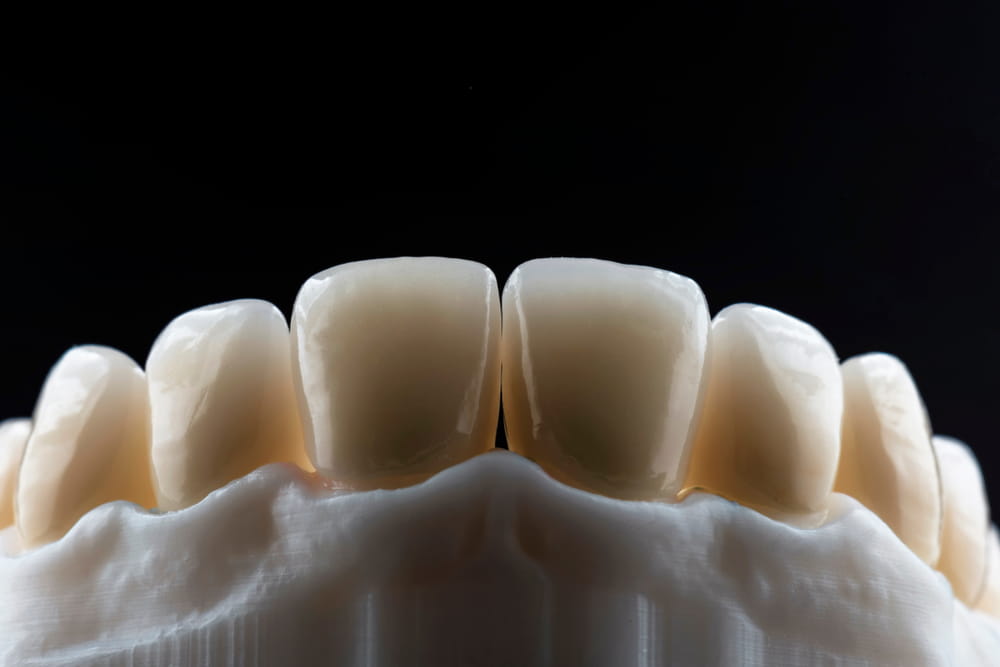
Crowding or limited spacing can make restorative procedures more challenging. Clear aligners offer a conservative method for creating room for veneers, crowns, implant crowns, or multi-unit restorations. Additional space allows for proper margin placement, controlled emergence profiles, and esthetically pleasing contours. This approach also reduces the risk of compromising enamel or over-preparing teeth to meet restorative demands.
Integrating Clear Aligners Into Digital Treatment Planning
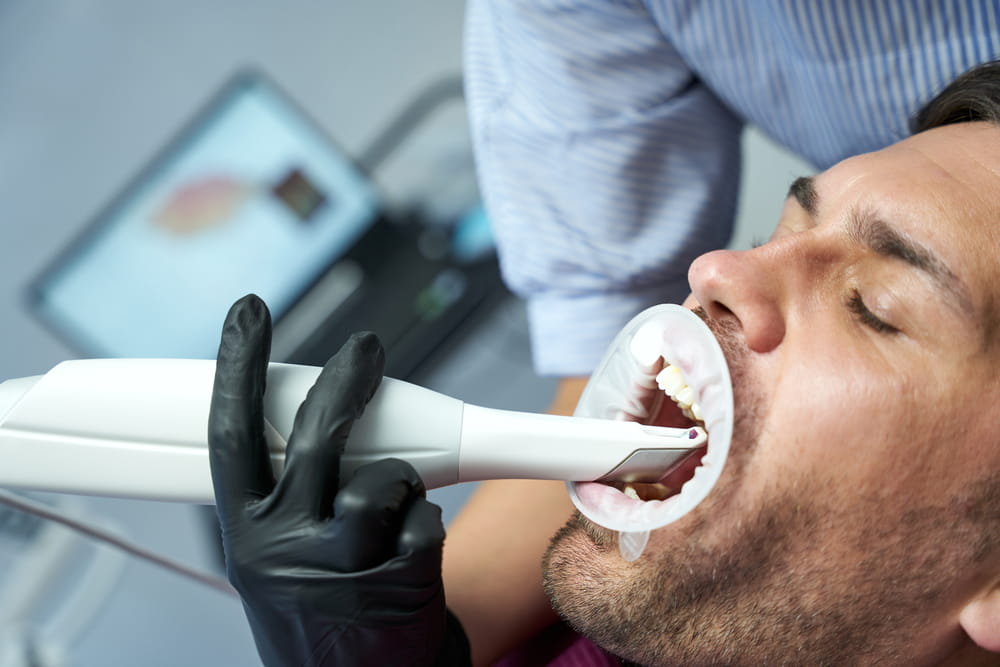
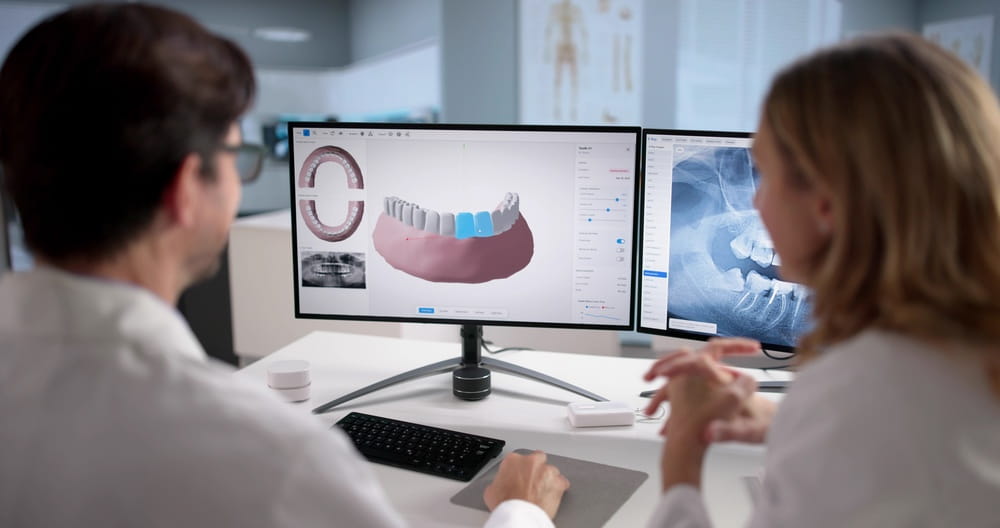
Digital workflows allow clinicians to simulate tooth movement, evaluate treatment outcomes, and incorporate alignment directly into restorative planning. By combining intraoral scanning, treatment simulation, and CAD/CAM design, clinicians gain a more complete understanding of how alignment will influence preparation needs, occlusion, and final esthetics. This digital synergy is also valuable when restorative and removable solutions overlap, and clinicians may explore related insights on removable prosthetics.
Managing Occlusion Before Restorative Treatment
Aligners allow clinicians to refine occlusion before placing final restorations. Establishing ideal contacts and eliminating interferences early helps protect ceramic restorations from excessive forces and premature wear. Pre-restorative alignment enhances the longevity of crowns, veneers, and fixed prosthetics by ensuring they are placed into a stable occlusal environment.
When to Introduce Aligners Into the Treatment Sequence
The ideal timing for aligner therapy depends on case complexity. Aligners may be used before restorative work to create better tooth position, between treatment phases to refine occlusion, or after provisionalization to finalize alignment before delivering definitive restorations. Thoughtful sequencing ensures that alignment simplifies rather than complicates the overall workflow.
Benefits of Incorporating Aligners Into Restorative Plans
Clear aligners offer meaningful advantages in multidisciplinary restorative care. Key benefits include:
• More conservative preparations and improved esthetic outcomes through better tooth position
• Greater occlusal stability and reduced stress on restorations
• Predictable restorative design supported by improved alignment and spacing
• Seamless integration with digital workflows and treatment simulations
• Enhanced patient satisfaction with smile appearance and function
Conclusion
Clear aligners play an essential role in modern restorative dentistry by improving esthetics, function, and long-term predictability. Through strategic tooth movement, clinicians can reduce the need for aggressive preparation, enhance occlusion, and support more durable restorative results. Panam Dental Lab is proud to support dentists in Savannah, Houston, and Sandy with educational guidance that strengthens restorative workflows and optimizes patient outcomes.
Sources
Rossini G, et al. (2015). Efficacy of clear aligners in controlling orthodontic tooth movement. Angle Orthodontist.
Joffe L (2003). Invisalign: Early clinical experiences. Journal of Orthodontics.
Zheng M, et al. (2017). The effectiveness of clear aligner therapy. BMC Oral Health.