Monolithic zirconia crowns have become a widely accepted restorative solution thanks to their strength, esthetics, and versatility. For dentists in Savannah, GA, Houston, TX, and Sandy, UT, understanding when zirconia provides the best clinical value can help guide treatment planning with confidence. In this educational overview, Panam Dental Lab explores the characteristics of monolithic zirconia and the situations where it may offer the most predictable outcomes. By the end of this article, you will have a clearer understanding of how zirconia’s properties align with functional demands, patient expectations, and long-term restorative goals.
What Makes Monolithic Zirconia Unique?
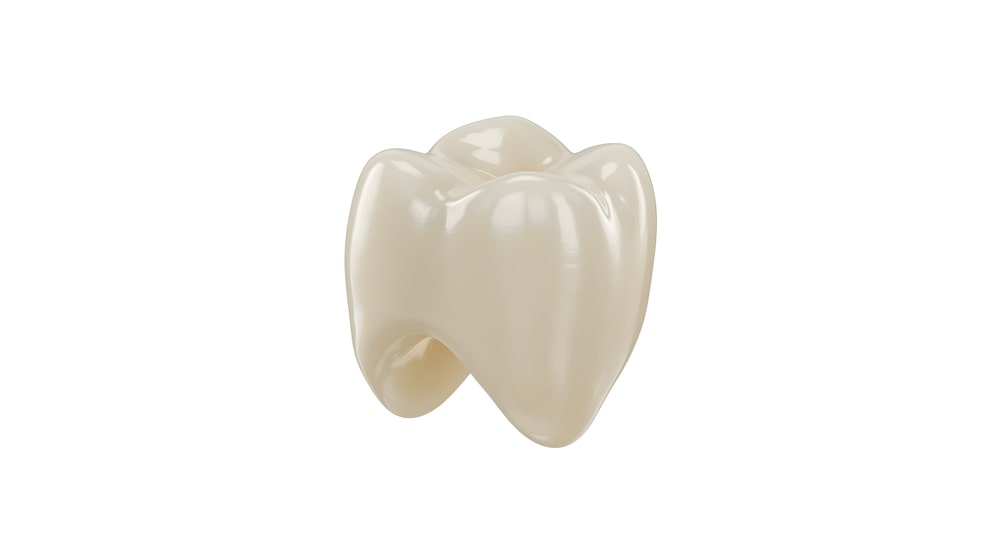
Monolithic zirconia crowns are milled from a single block of zirconium dioxide, giving them exceptional structural strength and fracture resistance. Unlike layered restorations, monolithic zirconia eliminates the risk of porcelain chipping, making it an excellent option for posterior teeth or patients with high functional demands. Zirconia’s crystalline composition contributes to its durability and versatility, allowing clinicians to address a range of restorative needs without compromising longevity.
Recent advancements in translucency and color-matching also allow zirconia to produce more natural results than earlier generations. As CAD/CAM manufacturing becomes more precise, clinicians benefit from improved marginal integrity, repeatability, and efficiency. For practitioners who want to explore additional material categories, resources on modern fixed restorations provide deeper context for selecting the appropriate option based on strength, esthetics, and preparation requirements.
When Strength Is the Primary Concern
One of the clearest indications for choosing monolithic zirconia is the need for exceptional strength. Occlusal forces vary widely among patients, and those with bruxism, heavy function, or a history of broken restorations may require materials that can withstand higher stress. Zirconia performs exceptionally well under these conditions due to its fracture toughness and resistance to wear.
Posterior crowns often benefit from zirconia’s durability, especially in cases involving limited occlusal clearance or parafunctional habits. Because zirconia can be milled thin without compromising strength, it allows for more conservative reduction—an advantage when preserving tooth structure is clinically important. This strength also makes zirconia a suitable option for implant-supported crowns, a category explored in educational content related to implant restorations, where biomechanical stability is essential.
When Esthetics and Strength Must Coexist
Although zirconia is often associated with durability, modern formulations also achieve a high level of esthetics. Many of today’s zirconia materials are translucent enough for select anterior applications, especially in cases where patients want restorations that mimic natural enamel while maintaining exceptional strength. These improvements allow zirconia to meet the demands of both functional and esthetic zones in appropriate cases.
However, case selection remains important. While zirconia can provide impressive esthetics, complex cosmetic cases may be better suited to layered ceramics or other restorative systems. When strength must take precedence—such as with deep bites, limited restorative space, or patients with parafunctional habits—monolithic zirconia often remains the preferred choice.
When Marginal Fit and Precision Matter
Digital workflows significantly enhance the predictability of zirconia restorations. CAD/CAM technology enables clinicians and labs to produce crowns with excellent marginal accuracy, consistent contouring, and optimized occlusion. Because zirconia crowns are milled rather than layered, their structural integrity remains consistent throughout fabrication.
This precision reduces the need for chairside adjustments, supports periodontal health, and contributes to long-term success. In situations where accuracy is essential—such as multi-unit cases or tight interproximal spaces—zirconia’s predictable fit offers a clear advantage. Clinicians who also work with digital removable workflows may appreciate the parallels to systems such as digital dentures, which similarly rely on digital precision to enhance efficiency and patient comfort.
When Patients Need a Long-Lasting, Low-Maintenance Option
Many patients seek restorations that require minimal maintenance while ensuring long-term durability. Zirconia meets these expectations with its resistance to fracture, staining, and temperature changes. For individuals with lifestyle factors that may compromise other materials—such as clenching, abrasive diets, or prior restoration failure—zirconia offers reliable resilience.
Its biocompatibility also encourages healthy soft-tissue response. Because zirconia surfaces can be polished to a high degree of smoothness, wear on opposing dentition remains manageable when proper finishing techniques are applied. These qualities make zirconia a strong option for patients requiring a dependable, low-maintenance solution.
Clinical Scenarios Where Zirconia Excels
The following examples illustrate practical situations where monolithic zirconia may be the most appropriate restorative choice:
• Posterior crowns that must withstand heavy occlusal forces
• Patients with bruxism or a history of fractured restorations
• Cases with limited occlusal space requiring thin yet strong restorations
• Implant-supported crowns where load distribution is critical
• Patients seeking long-term durability with minimal maintenance
• Situations where precise digital margins are a priority
These scenarios highlight zirconia’s strengths across functional, mechanical, and esthetic needs. While not every case calls for zirconia, its versatility makes it one of today’s most dependable restorative materials.
Factors to Consider Before Selecting Zirconia
Although zirconia offers broad benefits, careful case selection supports the best outcomes. Occlusal evaluation, esthetic expectations, preparation design, and adjacent structures should all be considered before making a final material decision. Zirconia requires adequate—but often conservative—reduction to ensure proper thickness and translucency.
Shade selection is also important. While modern zirconia can achieve excellent esthetics, transparency, and color matching vary among formulations. Discussing these factors with patients helps set realistic expectations and supports satisfaction with the final restoration.
Conclusion
Monolithic zirconia crowns offer a durable, esthetic, and highly precise option for many restorative applications. By understanding when zirconia is most appropriate—from high-strength posterior demands to implant-supported solutions—clinicians can make informed material choices that improve long-term outcomes. Panam Dental Lab is proud to support dentists in Savannah, Houston, and Sandy through educational insights that strengthen restorative planning and elevate patient care.
Sources
Zarone F, et al. (2016). From porcelain-fused-to-metal to zirconia: Clinical and laboratory considerations. Dental Materials.
Sulaiman TA (2020). Materials in dentistry: An overview of zirconia applications. Journal of Esthetic and Restorative Dentistry.
Kelly JR, Benetti P (2011). Ceramic materials in dentistry: Historical evolution and current practice. Australian Dental Journal.