Dental restorations play a crucial role in restoring oral health, function, and aesthetics for patients. Among the advancements in dental materials, high-strength ceramics have emerged as a game-changer in the field of restorative dentistry. These advanced ceramics offer a unique combination of durability, natural aesthetics, and biocompatibility, making them an indispensable choice for modern dental…

Dental restorations play a crucial role in restoring oral health, function, and aesthetics for patients. Among the advancements in dental materials, high-strength ceramics have emerged as a game-changer in the field of restorative dentistry. These advanced ceramics offer a unique combination of durability, natural aesthetics, and biocompatibility, making them an indispensable choice for modern dental restorations. In this blog, we will delve into the importance of using high-strength ceramics in dental restorations, exploring their benefits, applications, and the pivotal role of dental labs in utilizing these materials to create long-lasting and aesthetically pleasing dental solutions.
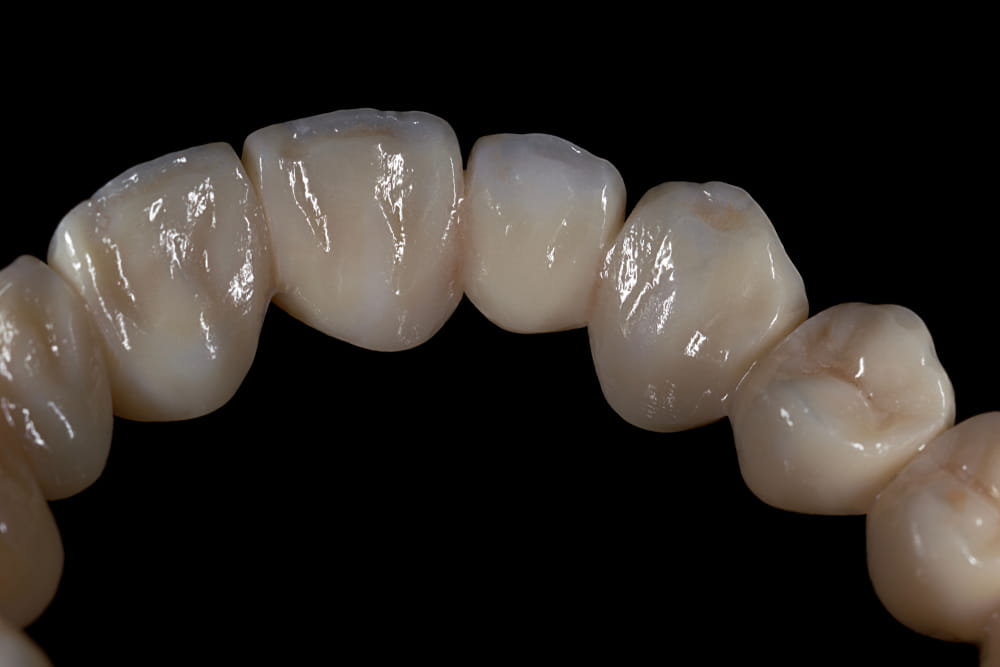
High-strength ceramics represent a class of dental materials known for their exceptional durability and natural appearance. Unlike traditional ceramics, which may be prone to chipping or wear, high-strength ceramics are engineered to withstand the rigors of daily use in the mouth. These ceramics are typically composed of zirconia or lithium disilicate, renowned for their high fracture toughness and resistance to abrasion. Moreover, high-strength ceramics exhibit excellent biocompatibility, ensuring compatibility with oral tissues and minimizing the risk of adverse reactions. Their precise fabrication process allows for custom shaping and shading, resulting in restorations that seamlessly blend with natural dentition.
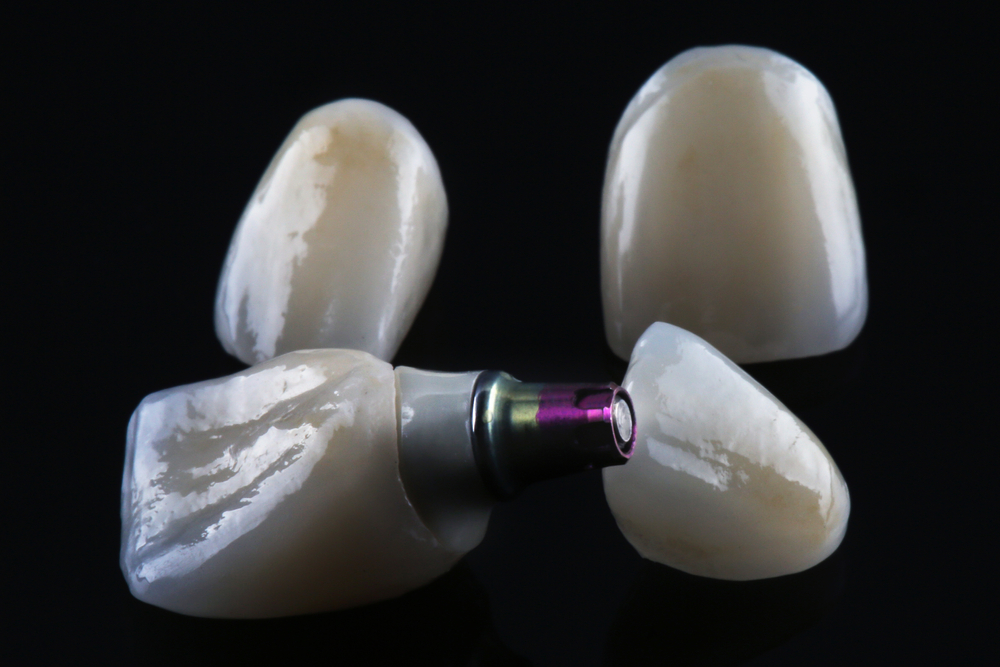
High-strength ceramics find extensive applications in various dental restorations, offering unmatched durability and aesthetics. These include:
Using high-strength ceramics in these applications allows dental professionals to deliver durable, esthetically pleasing restorations that enhance patients’ oral health and confidence.
High-strength ceramics offer a range of benefits that make them invaluable in dental restorations:
High-strength ceramics are engineered to withstand the biting forces and wear experienced in the oral cavity. This durability translates to longer-lasting restorations, reducing the need for frequent replacements and enhancing patient satisfaction.
One of the remarkable qualities of high-strength ceramics is their ability to replicate the natural appearance of teeth. These ceramics can be customized in terms of shape, size, and color, ensuring seamless integration with the patient’s smile. The result is a restoration that not only functions well but also looks indistinguishable from natural teeth.
High-strength ceramics are biocompatible materials, meaning they are safe for use in the mouth and do not pose risks of allergic reactions or tissue irritation. This biocompatibility is crucial for ensuring patient comfort and overall oral health during and after the restoration process.
Dental labs play a pivotal role in harnessing the benefits of high-strength ceramics for dental restorations. Their expertise and advanced technology contribute significantly to the success of these restorations:
Dental technicians carefully select high-strength ceramics based on the patient’s specific needs, ensuring optimal durability and aesthetics.
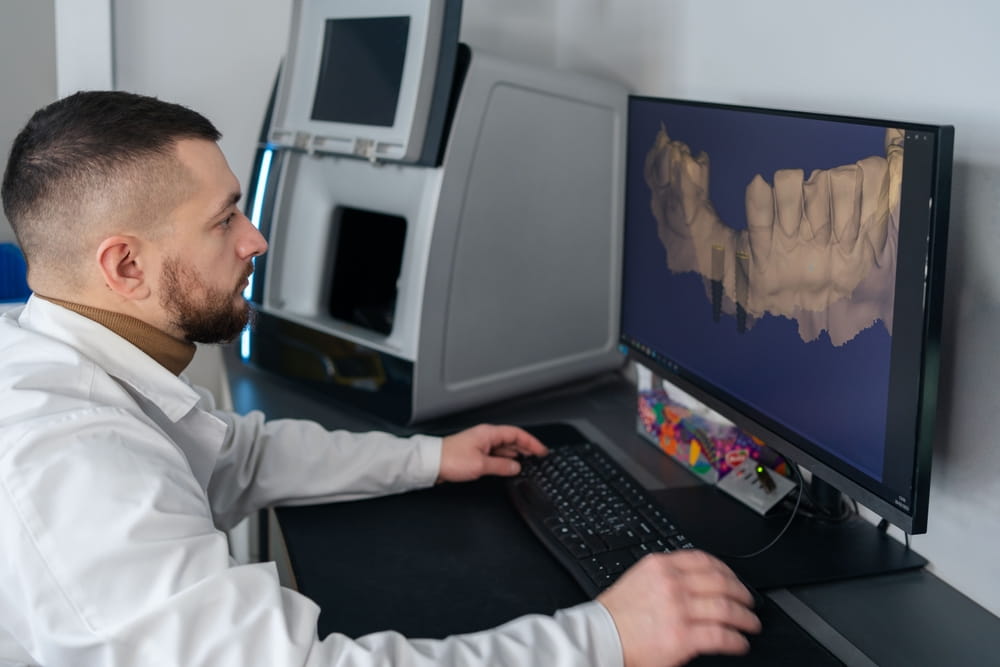
Using digital scanning and CAD/CAM technology, dental labs create custom-fitted restorations that precisely match the patient’s dentition. This level of customization enhances comfort and functionality.
Dental labs employ stringent quality control measures to ensure that high-strength ceramic restorations meet industry standards for strength, fit, and esthetics. This includes thorough testing and inspection processes before final delivery to the dentist.
Dental labs collaborate closely with dentists to understand patient expectations and treatment goals. This collaborative approach ensures that high-strength ceramic restorations meet or exceed patient expectations.
In conclusion, the use of high-strength ceramics in dental restorations offers significant advantages in terms of durability, natural aesthetics, and biocompatibility. These advanced materials have revolutionized the field of restorative dentistry, allowing for long-lasting solutions that enhance patient satisfaction and oral health outcomes. Dental professionals, including dentists and dental labs, play key roles in harnessing the benefits of high-strength ceramics by selecting appropriate materials, customizing restorations, ensuring quality control, and collaborating effectively. By embracing high-strength ceramics, dental practices can deliver superior dental restorations that meet the diverse needs of patients and contribute to overall oral well-being.