Precision is paramount when it comes to implant restorations, where even the smallest inaccuracies can compromise the fit, function, and longevity of the final result. As dental technology continues to evolve, digital workflows have become a game-changer in improving the accuracy and efficiency of implant procedures. By integrating tools such as intraoral scanners, CBCT imaging,…

Precision is paramount when it comes to implant restorations, where even the smallest inaccuracies can compromise the fit, function, and longevity of the final result. As dental technology continues to evolve, digital workflows have become a game-changer in improving the accuracy and efficiency of implant procedures. By integrating tools such as intraoral scanners, CBCT imaging, CAD/CAM systems, and 3D printing, dental labs can streamline the restorative process and produce highly accurate, patient-specific restorations. In this blog, we’ll explore how digital workflows are transforming implant dentistry and why embracing this technology leads to superior clinical outcomes.
Digital workflows refer to the integration of advanced digital technologies throughout the implant restoration process, from data collection to final prosthesis fabrication. Unlike traditional workflows that rely heavily on physical impressions and manual techniques, digital workflows use electronic data to design and manufacture restorations with greater speed and precision.
Core components of a digital workflow include:
By replacing analog steps with digital precision, this workflow results in faster turnaround times, better predictability, and a more comfortable experience for the patient.
Adopting a digital approach to implant restorations offers a range of benefits for both dental professionals and their patients. These advantages are most evident in the areas of accuracy, efficiency, and quality of care:
These benefits not only enhance the clinical outcome but also contribute to greater patient satisfaction and increased practice efficiency.
Understanding the digital implant restoration process reveals how each stage contributes to precision and efficiency. Here’s a typical step-by-step workflow followed by many advanced dental labs:
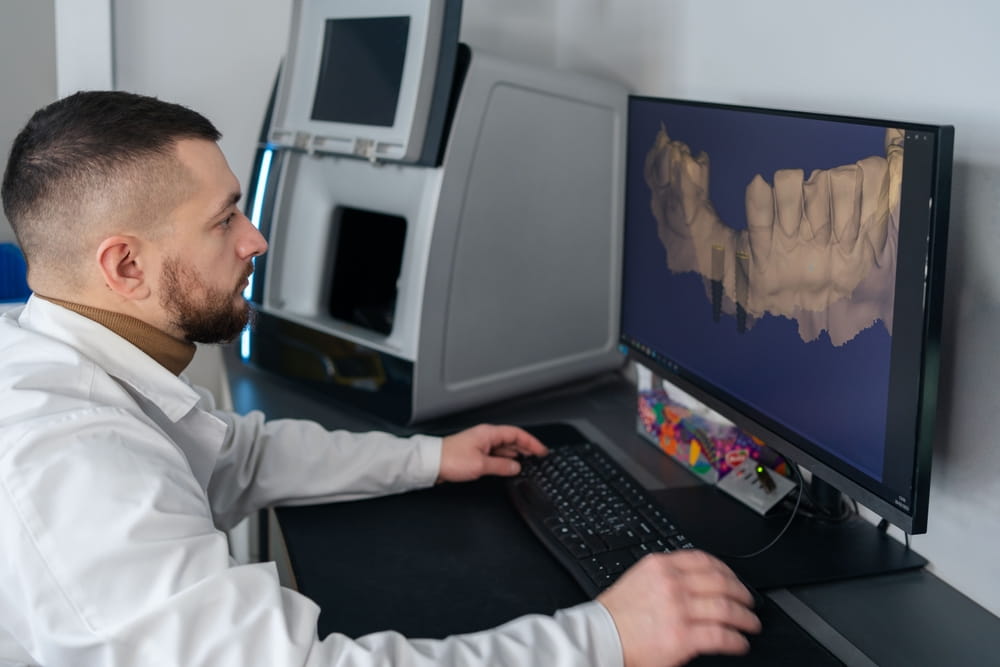
The process begins with the dentist capturing a detailed 3D scan of the patient’s mouth using an intraoral scanner. This replaces the need for traditional impression materials, offering a more comfortable experience for the patient and a highly accurate digital model for the lab.
Cone-beam computed tomography (CBCT) images are integrated with the digital scan to provide a complete picture of the patient’s anatomy. This data helps clinicians and lab technicians collaboratively plan optimal implant placement, taking into account bone density, nerve positioning, and esthetics.
The lab uses CAD software to perform a digital wax-up of the final prosthesis. This virtual design allows for precise adjustments to occlusion, contours, and emergence profiles before any physical fabrication takes place.
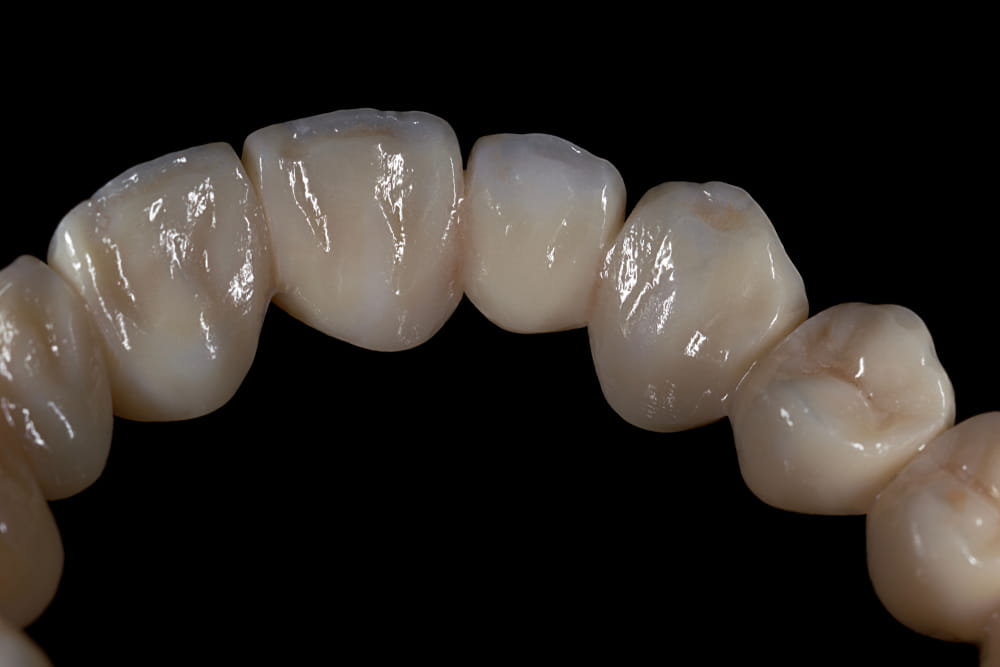
Once the design is finalized, the restoration is fabricated using CAM technology. High-quality materials such as zirconia or PMMA are milled or printed with exacting precision, ensuring a reliable fit and long-lasting performance.
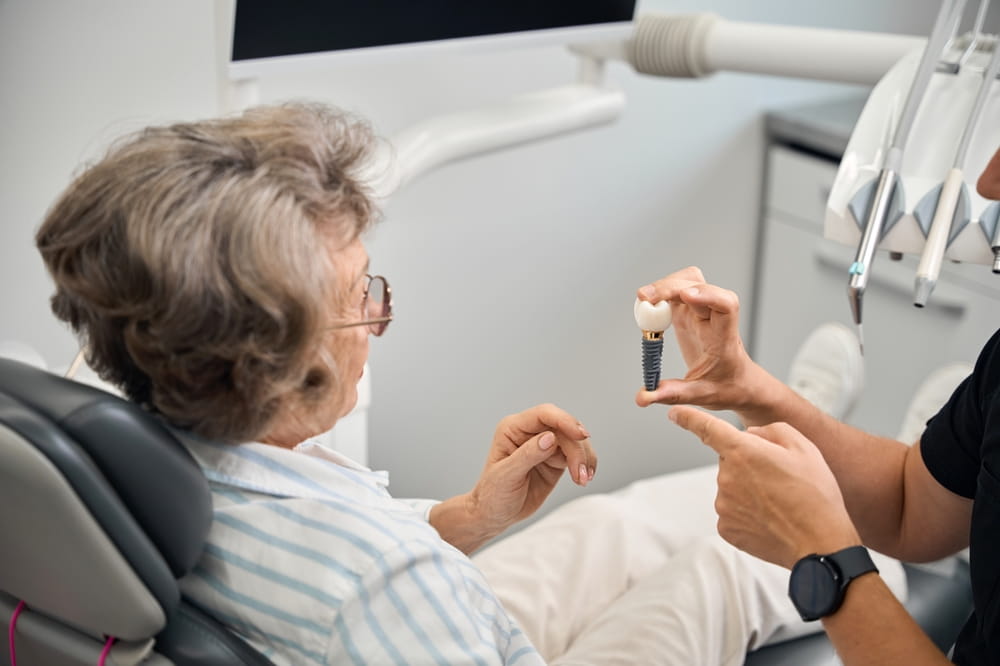
The completed restoration is returned to the dental office for placement. Because of the digital planning and fabrication, minimal (if any) adjustments are needed chairside. Verification of fit, occlusion, and esthetics is typically quick and straightforward.
This digital workflow not only reduces turnaround time but also ensures that the implant-supported restoration is functional, esthetic, and built to last.
The success of an implant-supported restoration depends heavily on precision throughout the planning, design, and fabrication stages. Digital workflows significantly enhance this accuracy, which in turn plays a crucial role in the longevity and reliability of the implant.
By ensuring a precise fit and function from the start, digital workflows contribute to fewer complications, better outcomes, and long-term success of the implant restoration.
Digital workflows have revolutionized the way dental labs approach implant restorations, offering unmatched precision, efficiency, and collaboration between clinicians and technicians. From accurate digital impressions to high-quality CAD/CAM fabrication, each step contributes to better patient outcomes and long-lasting restorations. As implant dentistry continues to evolve, embracing digital solutions is no longer optional, it’s essential for delivering consistently exceptional results.
Looking to enhance the accuracy of your implant restorations? Partner with Pan-Am Dental Lab. We specialize in advanced digital workflows to elevate your practice and patient care.