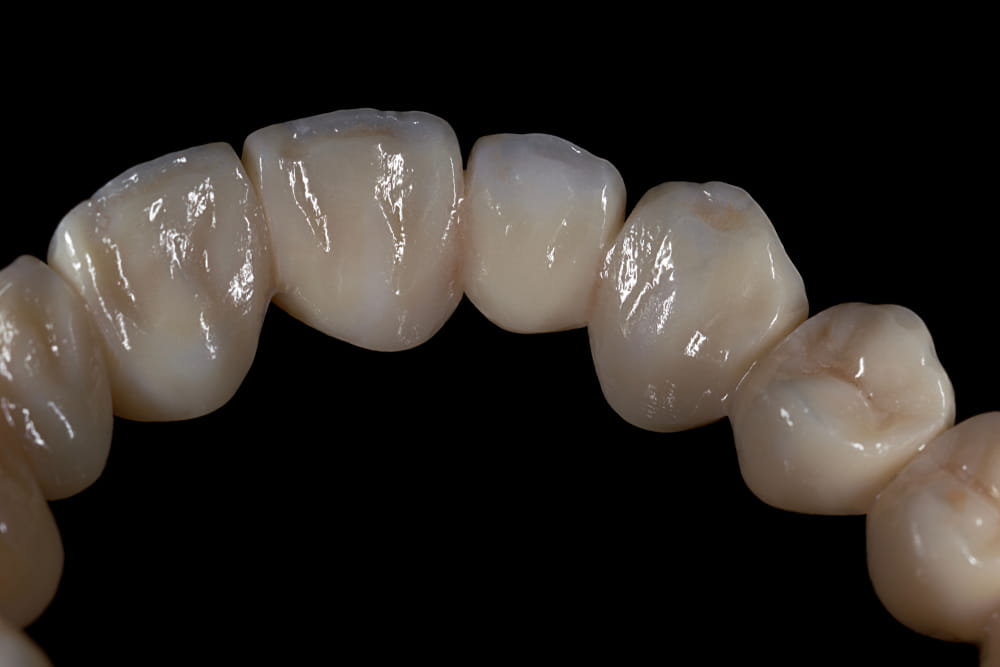
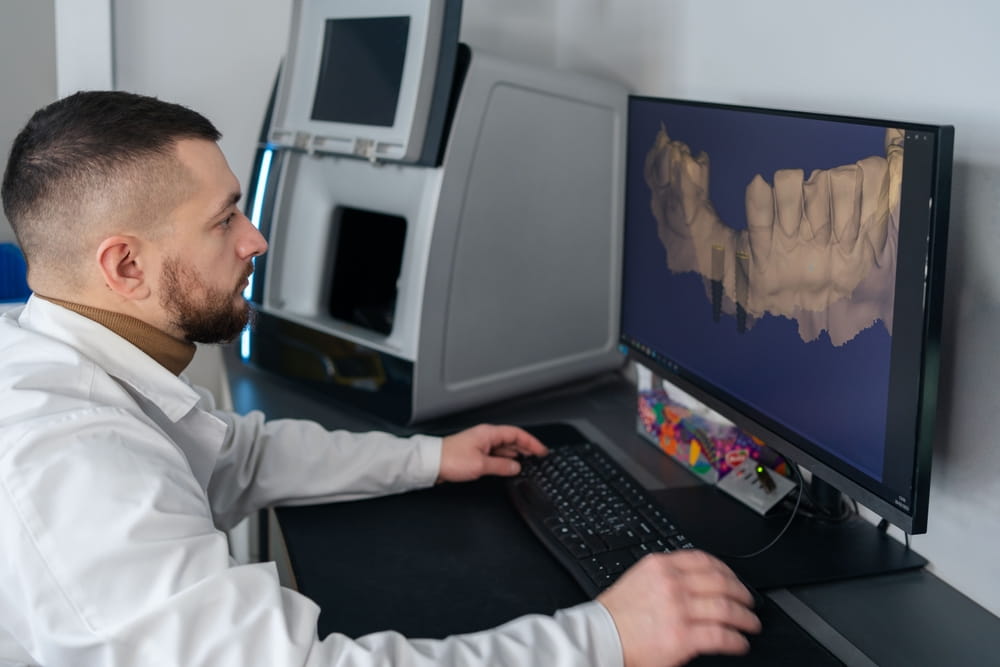
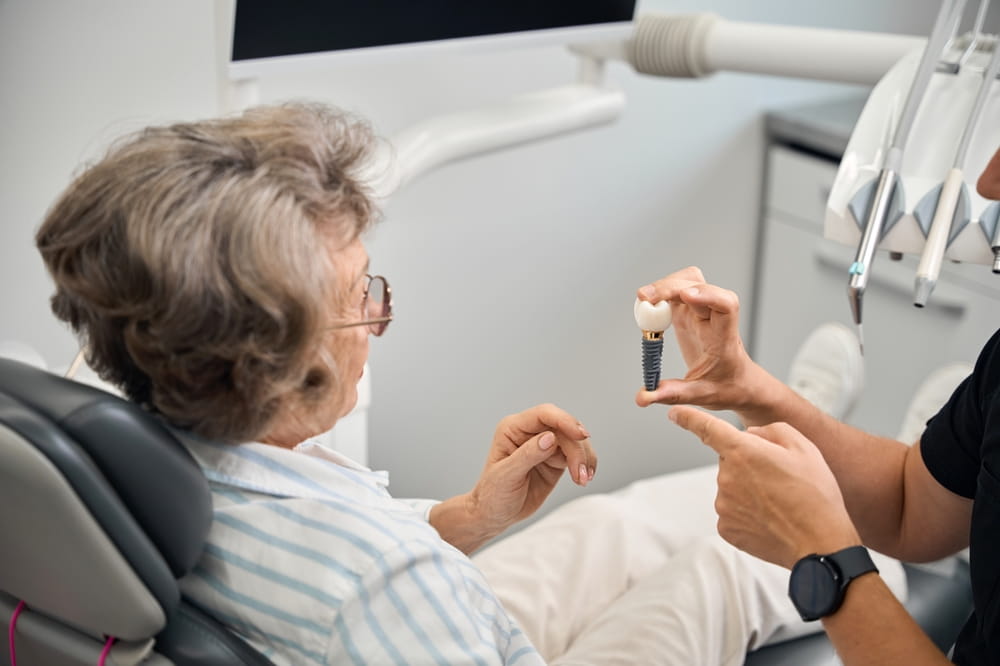
Digital dentistry is revolutionizing the way modern dental labs operate, transforming traditional workflows into highly precise, efficient, and technologically advanced processes. With the integration of cutting-edge tools like CAD/CAM systems, 3D printing, digital impressions, and artificial intelligence, dental labs can now produce restorations faster, more accurately, and with enhanced customization. This shift not only benefits…

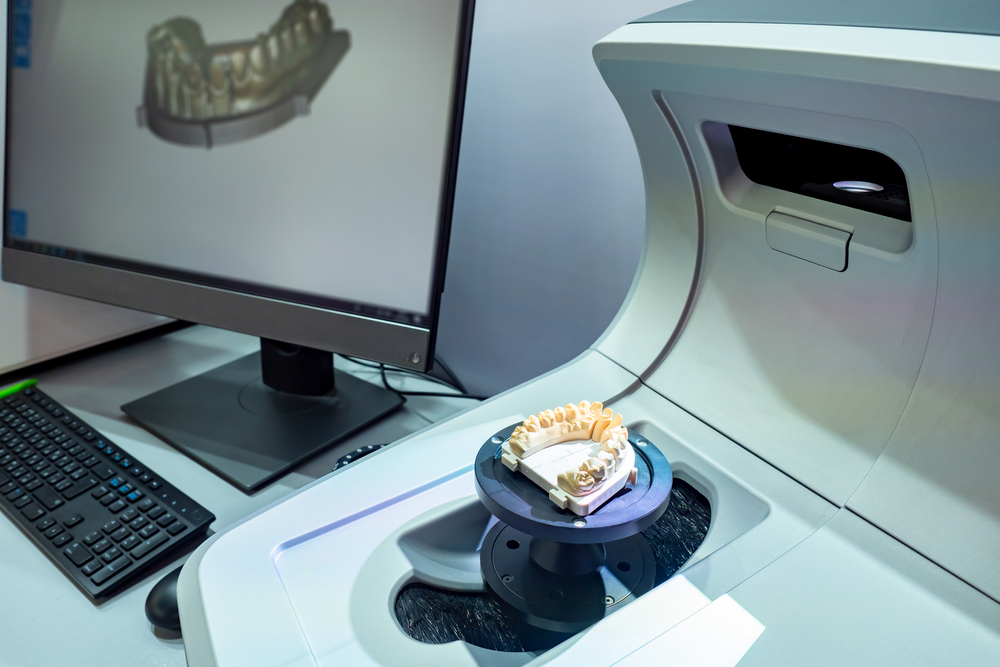
Digital dentistry is revolutionizing the way modern dental labs operate, transforming traditional workflows into highly precise, efficient, and technologically advanced processes. With the integration of cutting-edge tools like CAD/CAM systems, 3D printing, digital impressions, and artificial intelligence, dental labs can now produce restorations faster, more accurately, and with enhanced customization. This shift not only benefits dental technicians by streamlining production but also improves patient outcomes through better-fitting restorations and reduced turnaround times. As digital dentistry continues to evolve, it is reshaping the future of dental labs, making them more adaptable, efficient, and innovative than ever before.
For decades, dental labs relied on conventional methods to create restorations, dentures, and prosthetics. These traditional workflows involved manual impressions, wax-ups, and casting techniques, requiring extensive labor, multiple steps, and significant time investment. While effective, these processes often faced challenges such as inconsistencies in fit, material wastage, and the potential for human error.
With the rise of digital dentistry, dental labs are now embracing technology-driven workflows that enhance precision, efficiency, and overall quality. One of the most significant advancements is the adoption of computer-aided design and manufacturing (CAD/CAM) technology. Instead of manually sculpting restorations, technicians can design them digitally with incredible accuracy before milling or 3D printing them.
Digital workflows also eliminate the need for traditional physical impressions, which can be uncomfortable for patients and prone to inaccuracies. Instead, digital impressions and 3D scanning allow dentists to capture precise intraoral data, which is instantly transmitted to dental labs for faster processing. This not only speeds up production but also ensures restorations have a superior fit and function.
The shift to digital dentistry is transforming the modern dental lab by reducing production time, enhancing accuracy, and improving communication between dentists and technicians. By streamlining processes and leveraging advanced materials, digital dentistry is paving the way for a new era of efficiency and innovation in restorative dentistry.
Digital dentistry has introduced a range of innovative technologies that are transforming the way dental labs operate. These advancements enhance precision, efficiency, and customization in creating dental restorations. Below are some of the most impactful digital tools reshaping modern dental labs.
Traditional impression techniques using alginate or silicone can be messy, uncomfortable for patients, and prone to distortions. Digital impressions, captured using intraoral scanners, eliminate these issues by providing highly accurate, real-time scans of a patient’s teeth and oral structures. These scans are instantly transmitted to the dental lab, reducing turnaround time and minimizing the risk of errors in restorations.
Key advantages of digital impressions:
Popular intraoral scanners used in dental labs include iTero, 3Shape TRIOS, and Medit scanners, each offering high-resolution imaging and advanced software integration.
Computer-aided design and manufacturing (CAD/CAM) technology has revolutionized the way dental restorations are designed and produced. Instead of manually shaping crowns, bridges, and dentures, technicians use specialized software to create precise digital models, which are then milled or 3D printed.
Benefits of CAD/CAM in dental labs:
With CAD/CAM, dental labs can produce high-quality restorations with minimal waste, improving efficiency and cost-effectiveness.
3D printing is one of the most groundbreaking technologies in modern dental labs, allowing for the rapid production of dental models, surgical guides, dentures, night guards, and even temporary restorations. This technology enables mass customization, ensuring that each restoration or appliance is tailored to the patient’s unique anatomy.
How 3D printing benefits dental labs:
Popular 3D printing materials in dentistry include resin-based polymers, biocompatible materials, and ceramic-like composites, which provide excellent strength and aesthetics.
Artificial intelligence (AI) is playing an increasing role in streamlining design, diagnosis, and treatment planning in digital dentistry. AI-powered software can analyze patient scans, suggest optimal restoration designs, and even predict treatment outcomes based on historical data.
Applications of AI in dental labs:
Automation also extends to robotic milling and fabrication systems, which further optimize efficiency and reduce manual labor in the lab setting.
The integration of digital technology in dental labs offers numerous advantages, making the workflow more efficient, precise, and cost-effective. These advancements not only enhance the quality of restorations but also improve communication and collaboration between dental professionals and laboratories.
Digital workflows, such as CAD/CAM and 3D scanning, eliminate many of the inconsistencies associated with traditional manual processes. Digital impressions ensure highly accurate measurements, reducing the need for adjustments and remakes. With precise milling and 3D printing, restorations fit better and function more naturally, leading to higher patient satisfaction.
One of the most significant benefits of digital dentistry is its ability to speed up the production process. Digital impressions are sent to the lab instantly, eliminating the wait time associated with physical impression shipping. CAD/CAM technology allows for same-day or next-day restorations, drastically reducing turnaround times. 3D printing also enables batch production, allowing labs to produce multiple restorations simultaneously, enhancing efficiency.
Traditional dental lab communication often involved physical models, handwritten notes, and multiple phone calls. Digital dentistry has transformed this interaction through cloud-based file sharing, AI-driven design collaboration, and digital treatment planning software. These technologies allow dentists and technicians to work together seamlessly, ensuring restorations meet precise specifications before manufacturing begins.
Although the initial investment in digital equipment can be high, the long-term benefits outweigh the costs. Digital workflows minimize material waste, reduce the number of remakes, and enhance efficiency, all of which contribute to cost savings for dental labs. Additionally, automation decreases the labor-intensive aspects of restoration fabrication, allowing technicians to focus on more complex and customized cases.
Patients benefit significantly from digital dentistry. Digital impressions eliminate the discomfort of traditional molds, while CAD/CAM restorations and 3D-printed appliances provide a superior fit and aesthetic appearance. The speed of digital production also means shorter wait times for crowns, dentures, and implants, improving patient satisfaction and trust in the dental practice.
Digital dentistry is revolutionizing the modern dental lab, bringing unprecedented accuracy, efficiency, and collaboration to the field. With advancements in 3D scanning, CAD/CAM technology, 3D printing, and AI-driven automation, dental labs can produce high-quality restorations faster and with greater precision than ever before. These innovations not only benefit dental technicians by streamlining workflows but also enhance patient outcomes through better-fitting, more durable restorations. As technology continues to evolve, dental labs that embrace digital dentistry will stay ahead of the curve, offering cutting-edge solutions that define the future of restorative dentistry.