Orthodontics has come a long way from the days of plaster models and hand-fabricated appliances. Today, digital dentistry and 3D printing are revolutionizing the way labs and clinicians approach treatment. For dentists and orthodontists, the integration of 3D-printed appliances into clinical practice means faster workflows, more precise fits, and better patient outcomes. This blog explores…


Orthodontics has come a long way from the days of plaster models and hand-fabricated appliances. Today, digital dentistry and 3D printing are revolutionizing the way labs and clinicians approach treatment. For dentists and orthodontists, the integration of 3D-printed appliances into clinical practice means faster workflows, more precise fits, and better patient outcomes. This blog explores how 3D printing is reshaping orthodontics and why working with a digitally equipped lab gives you a competitive edge.
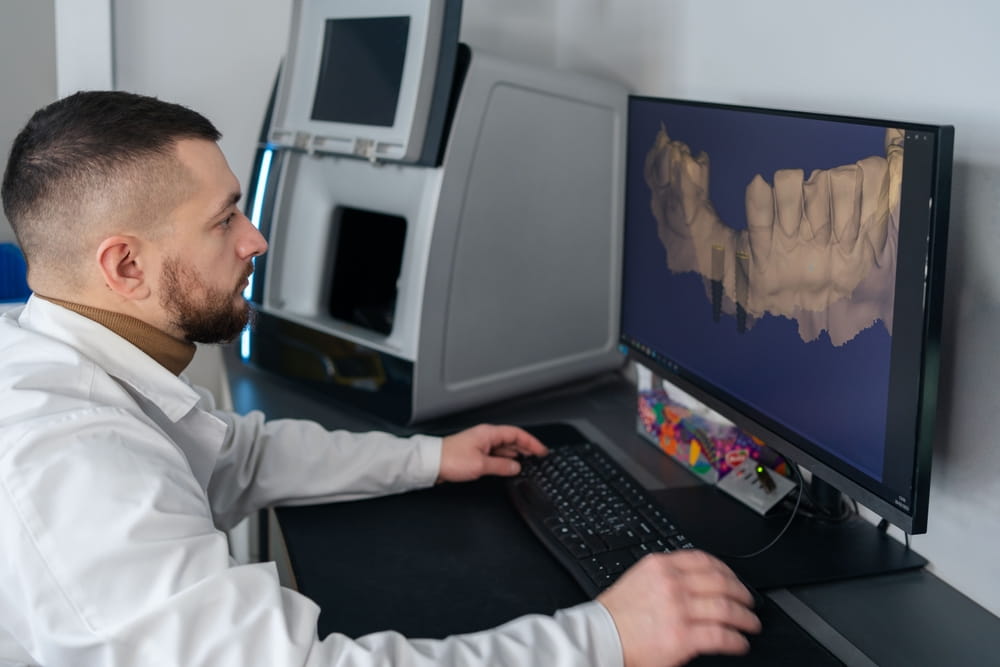
Traditional orthodontic workflows rely heavily on impressions, stone models, and manual adjustments, all of which can introduce inaccuracies and delays. With the introduction of intraoral scanning and 3D printing, labs can now fabricate appliances directly from highly accurate digital impressions.
Common 3D-printed orthodontic appliances include:
This shift not only eliminates the mess and variability of traditional methods but also allows for seamless integration between your chairside technology and the lab.
One of the greatest advantages of 3D printing is its ability to replicate a patient’s unique anatomy with exceptional accuracy. Digital workflows allow for:
When every appliance is built from exact scan data, dentists and orthodontists can trust the fit and function before it even reaches the patient.
Time is a critical factor in orthodontic treatment. Traditional appliance fabrication can take weeks, especially if multiple impressions or adjustments are required. With 3D printing:
This efficiency keeps treatment on track and improves patient satisfaction with your practice.
A well-fitted appliance ensures predictable movement and minimizes complications. With 3D-printed appliances, you can expect:
The result is a smoother clinical experience for both provider and patient, reducing frustration and chair time.
3D printing technology has advanced significantly in recent years, especially in material sciences. Today’s resins and polymers are durable, biocompatible, and specifically engineered for orthodontic applications.
Benefits include:
Digital files allow for fast and secure communication between clinicians and labs. Instead of mailing impressions, you can:
This streamlined workflow enhances collaboration, strengthens lab-dentist relationships, and ensures your patients receive high-quality results every time.
Looking ahead, 3D printing will continue to push orthodontics forward. Emerging trends include:
Practices that adopt these advancements early position themselves as leaders in patient care.
3D-printed orthodontic appliances are more than a trend and they represent the future of precision, efficiency, and predictability in orthodontic treatment. By partnering with a dental lab that leverages advanced 3D printing, dentists and orthodontists can deliver superior outcomes while saving time and reducing costs.
At Pan-Am Dental Lab, we specialize in creating highly precise, fully customized 3D-printed orthodontic appliances that streamline your workflows and enhance treatment outcomes. With advanced digital technology, fast turnaround times, and a commitment to quality, we help you deliver the best results for your patients.
Contact Pan-Am Dental Lab today to submit your case and discover how digital orthodontics can transform your practice.