Understanding Hybrid Dentures in Modern Restorative Care
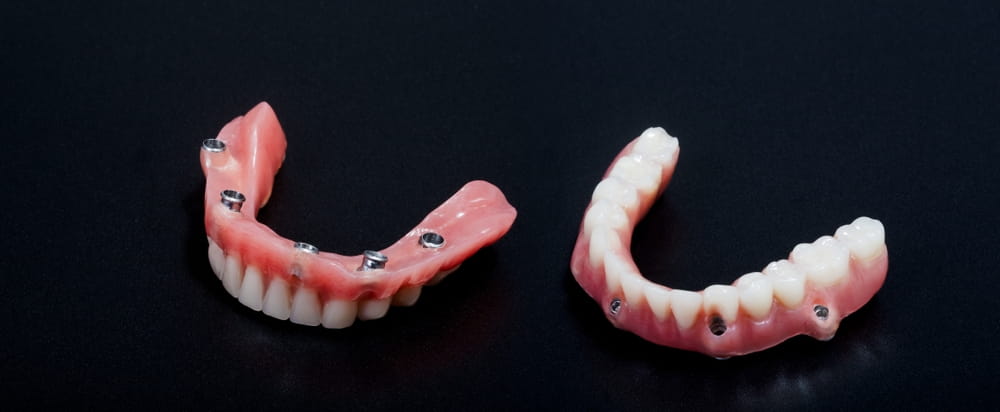
Hybrid dentures have become an increasingly important solution in modern prosthodontics, offering a blend of stability, function, and esthetics that bridges the gap between traditional removable dentures and fixed implant restorations. These prosthetics are typically supported by dental implants while maintaining a denture-like structure, providing enhanced retention compared to conventional options. Hybrid dentures represent a growing trend in restorative dentistry that reflects advancements in both materials and digital workflows.
Unlike traditional removable dentures, hybrid dentures are designed to provide greater stability during function. They are often used in cases where patients require full-arch rehabilitation but benefit from a prosthetic that combines fixed support with removable or semi-removable design elements. For dental teams working with Panam Dental Lab, understanding how hybrid dentures function and how they are fabricated helps clinicians better evaluate when this option may be appropriate.
How Hybrid Dentures Differ From Traditional Dentures
Traditional dentures rely on soft tissue support and, in some cases, adhesives to maintain retention. While effective for many patients, these prosthetics can sometimes shift during function, affecting comfort and chewing efficiency. Hybrid dentures address these limitations by incorporating implant support, which helps anchor the prosthesis more securely.
This increased stability allows patients to experience improved confidence during daily activities such as eating and speaking. Because the prosthesis is supported by implants, there is less reliance on suction or adhesives, reducing common concerns associated with conventional dentures.
Hybrid dentures also offer advantages in load distribution. By transferring occlusal forces through implants rather than relying solely on soft tissue, these prosthetics help improve overall function. This design can contribute to a more natural feel and improved performance compared to traditional removable options, particularly when coordinated with implant restorations in full-arch treatment plans.
Esthetic Advantages of Hybrid Dentures
Esthetics play a significant role in the success of any full-arch restoration, and hybrid dentures are designed to provide a natural-looking result. These prosthetics can be customized to replicate the appearance of natural teeth and gingival tissue, allowing for a balanced and harmonious smile.
One of the key benefits of hybrid dentures is the ability to control tooth positioning, contour, and emergence profile more precisely. Because the prosthesis is anchored to implants, technicians have greater flexibility in designing the final restoration to achieve optimal esthetic outcomes.
Gingival contours can also be shaped to support facial structure and improve lip support. This is particularly important for patients who have experienced bone loss, as hybrid dentures can help restore facial proportions and provide a more youthful appearance.
Functional Benefits and Patient Experience
Functionally, hybrid dentures offer several advantages over traditional removable prosthetics. Improved retention and stability allow patients to chew more efficiently and with greater confidence. This can expand dietary options and improve overall quality of life.
Speech is another area where hybrid dentures can provide benefits. Because the prosthesis remains stable during function, patients may experience fewer issues with phonetics compared to less stable removable options. This stability supports clearer speech and easier adaptation.
Comfort is also enhanced through improved fit and reduced movement. When properly designed, hybrid dentures distribute forces evenly and minimize pressure points, contributing to a more comfortable experience for the patient.
The Role of Digital Dentistry in Hybrid Denture Fabrication
Digital dentistry has significantly influenced how hybrid dentures are designed and fabricated. Intraoral scanning, digital treatment planning, and CAD/CAM technology allow for precise control over every stage of the process. These tools help ensure that the final prosthesis aligns with both anatomical and functional requirements.
Digital workflows enable clinicians and technicians to visualize the prosthetic design before fabrication begins. This allows for adjustments to be made early in the process, reducing the likelihood of remakes or extensive chairside modifications. The ability to simulate occlusion, esthetics, and fit digitally supports more predictable outcomes.
Workflows involving removable restorations benefit from these advancements by incorporating digital precision into traditionally manual processes. This integration helps improve consistency and efficiency while maintaining high standards of quality.
Material Considerations in Hybrid Dentures
Material selection is an important factor in the performance and longevity of hybrid dentures. These prosthetics often combine a durable framework with esthetic materials that replicate natural teeth and gingiva. The choice of materials must balance strength, wear resistance, and esthetic qualities.
Framework materials are typically selected for their ability to withstand occlusal forces over time. At the same time, veneering materials must provide natural translucency and color matching to achieve lifelike results. Advances in material science have expanded options for hybrid dentures, allowing for improved durability without compromising esthetics.
Material selection also influences maintenance and long-term performance. Choosing materials that resist staining, wear, and fracture helps support consistent outcomes and reduces the need for frequent repairs.
Case Selection and Treatment Planning
Hybrid dentures are not suitable for every patient, making proper case selection essential. Factors such as bone availability, implant positioning, and overall oral health must be evaluated before determining whether this treatment approach is appropriate.
Treatment planning often involves collaboration between surgical and restorative teams. Implant placement must align with the intended prosthetic design, ensuring that the final restoration can be supported effectively. Digital planning tools help visualize these relationships and support prosthetic-driven implant placement.
In some cases, pre-restorative alignment using clear aligner systems may be considered to optimize spacing and positioning before hybrid denture fabrication. This interdisciplinary approach supports more precise and predictable outcomes.
Patients should also be informed about the maintenance requirements associated with hybrid dentures. While these prosthetics offer improved stability, they still require regular care and professional monitoring to ensure long-term success.
Collaboration Between Clinic and Laboratory
Successful hybrid denture cases rely on strong collaboration between the dental practice and the laboratory. Clear communication of treatment goals, esthetic preferences, and functional requirements allows technicians to design prosthetics that align with clinical expectations.
Digital records, including scans and photographs, play an important role in this collaboration. These records provide detailed information that helps technicians understand the patient’s anatomy and design a prosthesis that integrates seamlessly with surrounding structures.
Ongoing communication throughout the fabrication process ensures that any adjustments or refinements can be made efficiently. This collaborative approach helps reduce errors and supports more predictable outcomes.
The Growing Role of Hybrid Dentures in Modern Dentistry
Hybrid dentures continue to gain popularity as dental technology evolves and patient expectations increase. Their ability to combine stability, esthetics, and digital precision makes them a valuable option in full-arch restorative care.
As digital workflows become more advanced, the fabrication of hybrid dentures is becoming more efficient and consistent. These improvements support better patient experiences and allow clinicians to deliver high-quality restorative solutions with greater confidence.
Knowing the benefits associated with hybrid dentures allows dental teams to incorporate this option into comprehensive treatment planning. Panam Dental Lab, serving Savannah, GA, Houston, TX, and Sandy, UT, recognizes the importance of combining digital innovation with restorative expertise to support hybrid denture solutions that deliver reliable function, natural esthetics, and long-term success.
Sources
Zarb GA, Bolender CL (2013). Prosthodontic treatment for edentulous patients. Elsevier.
Malo P, Rangert B, Nobre M (2003). All-on-4 immediate-function concept with brånemark system implants. Clinical Implant Dentistry and Related Research.
Bidra AS, Taylor TD, Agar JR (2013). Computer-aided technology for fabricating complete dentures. Journal of Prosthetic Dentistry.